Nature often leaves behind clues in places shaped by disruption. A volcanic eruption can alter landscapes, darken skies, and send shockwaves across oceans, yet sometimes the aftermath reveals processes that scientists had not fully recognized before. In studying destruction, researchers occasionally discover unexpected lessons about balance and recovery.
Scientists examining the aftermath of the 2022 eruption of the Hunga Tonga-Hunga Haʻapai volcano have identified evidence suggesting the event triggered chemical reactions that helped break down methane in the atmosphere. Methane is one of the most powerful greenhouse gases contributing to global warming.
Satellite observations detected unusually high concentrations of formaldehyde above parts of the South Pacific after the eruption. Researchers concluded that the formaldehyde likely formed as methane molecules were broken apart through atmospheric chemical reactions.
The process appears to involve interactions between volcanic ash, sea spray, sunlight, and chlorine-containing particles. Together, these elements may create highly reactive conditions capable of accelerating methane destruction in the atmosphere.
Scientists noted that similar chemical activity had been observed previously when Saharan dust mixed with ocean spray under certain environmental conditions. The volcanic eruption provided a larger and more visible example of the phenomenon.
Methane traps significantly more heat than carbon dioxide over shorter timescales, making it an important focus of climate research. Reducing methane emissions is widely considered one of the fastest ways to slow near-term warming trends.
Researchers stress that volcanic eruptions themselves are not climate solutions. The environmental impacts of major eruptions can be complex and often harmful. Instead, the value of the discovery lies in understanding the chemical mechanisms involved and whether they can inspire safer approaches for reducing atmospheric methane.
The findings remain under active investigation, and scientists caution that much remains unknown about the long-term effects and scalability of such reactions. Additional studies will be needed before practical applications can be considered.
Even so, the research highlights how natural events continue to reveal unexpected aspects of Earth’s atmosphere. In the aftermath of a powerful eruption, scientists found another reminder that environmental systems often contain processes still waiting to be understood.
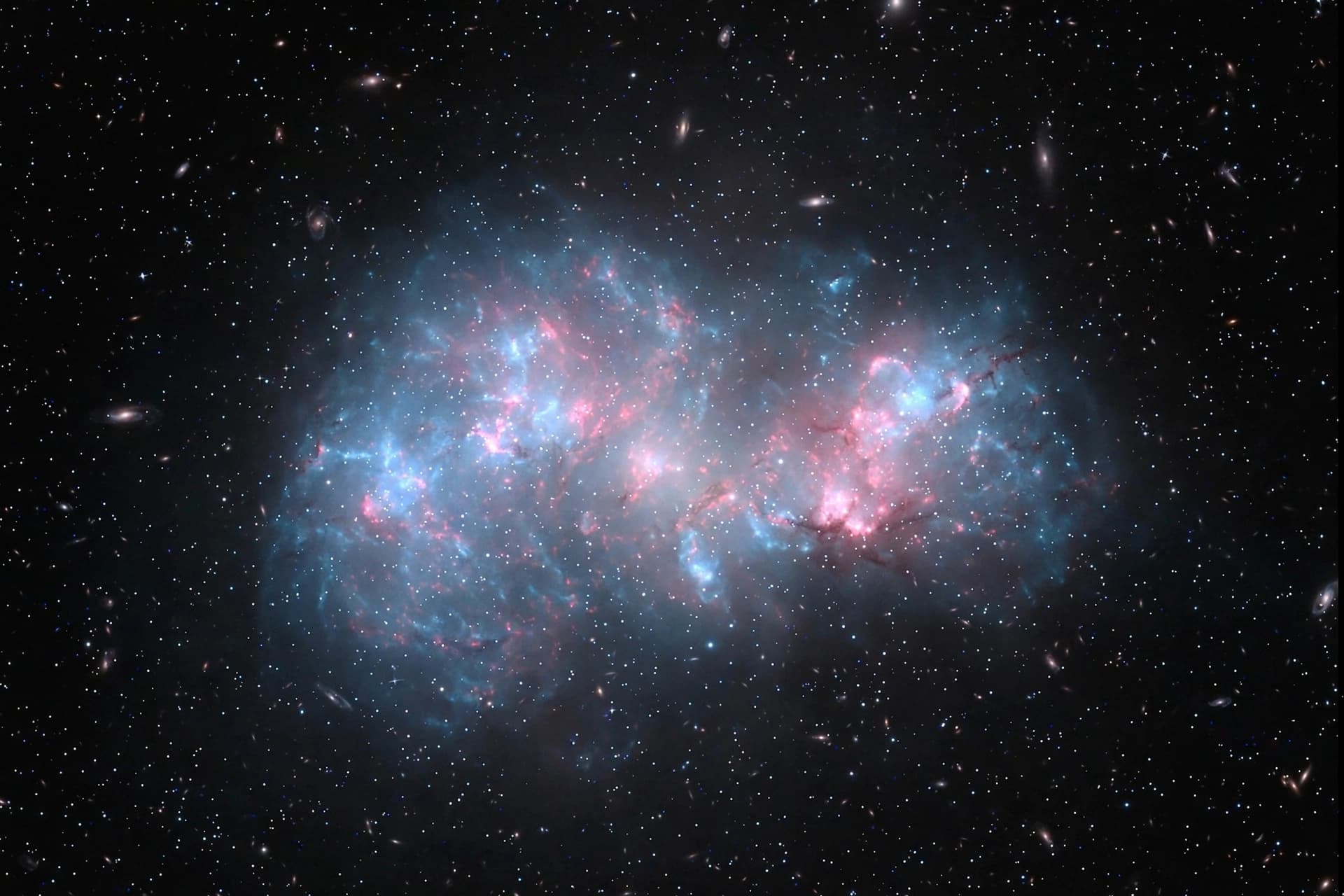
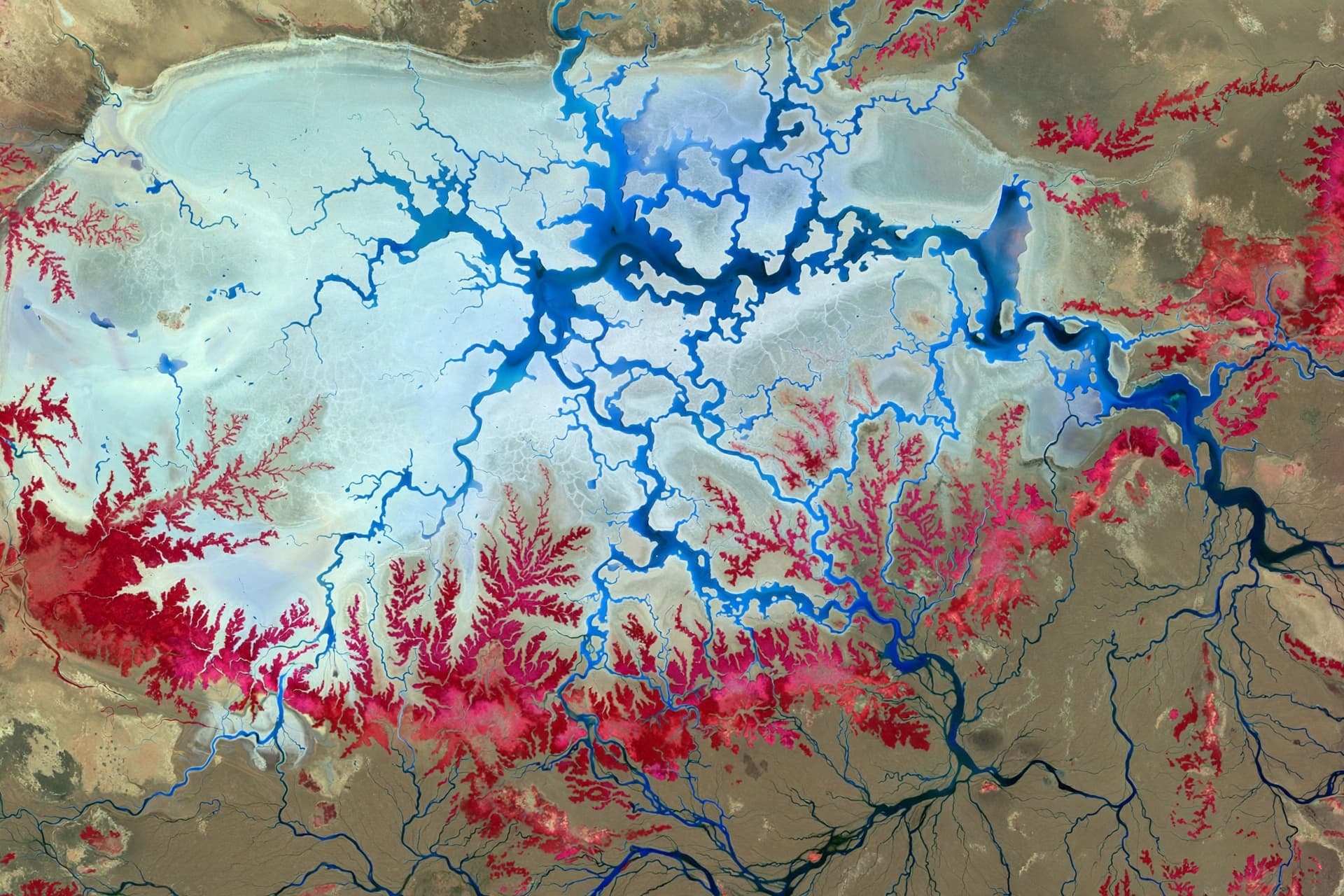
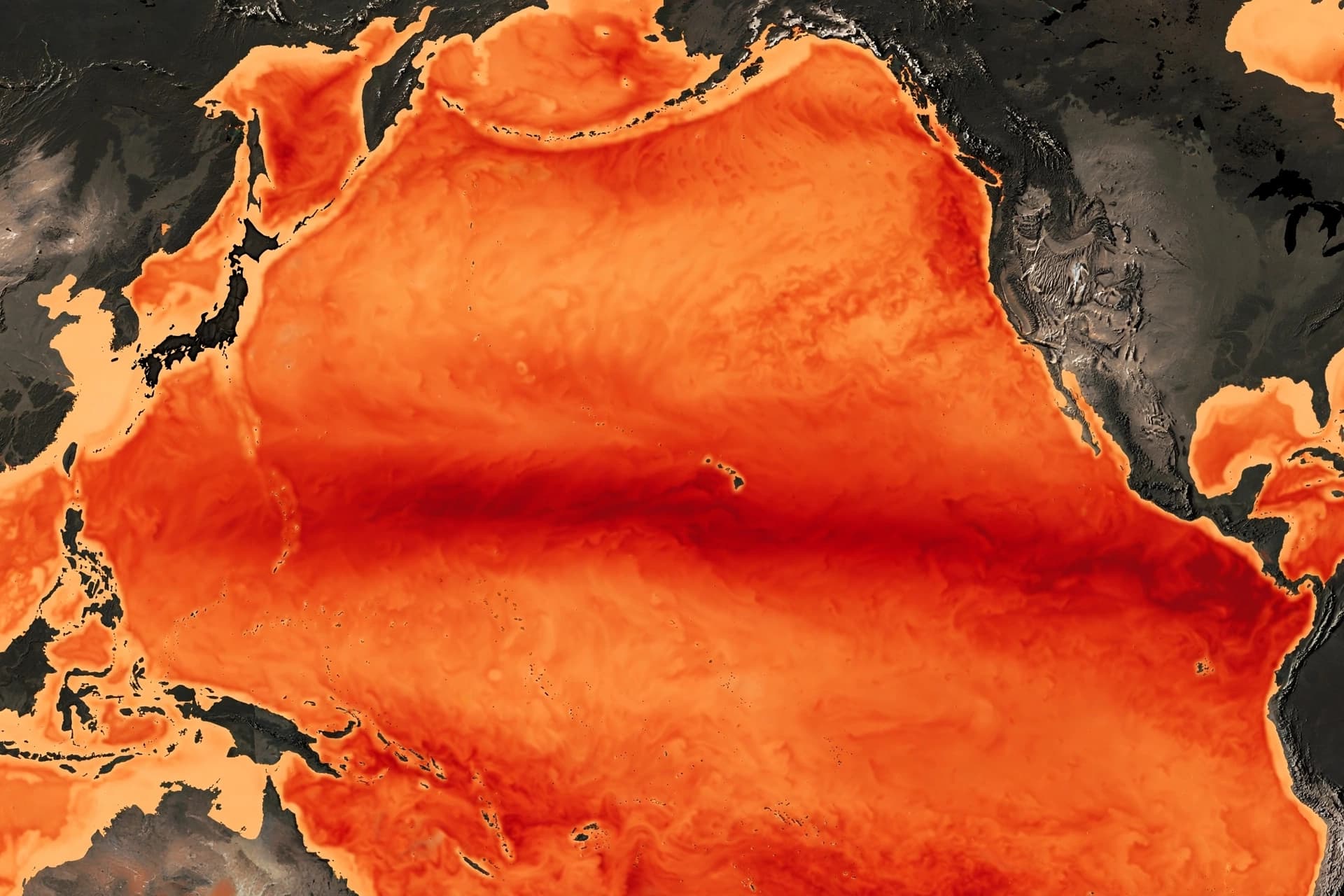
AI-generated images are included for visual illustration and do not represent actual satellite observations.
Sources: The Times, Nature, New Scientist, Scientific American
Published by Banx Network. This article is part of the Banx decentralized media programme, powered by the BXE token on the XRP Ledger.