
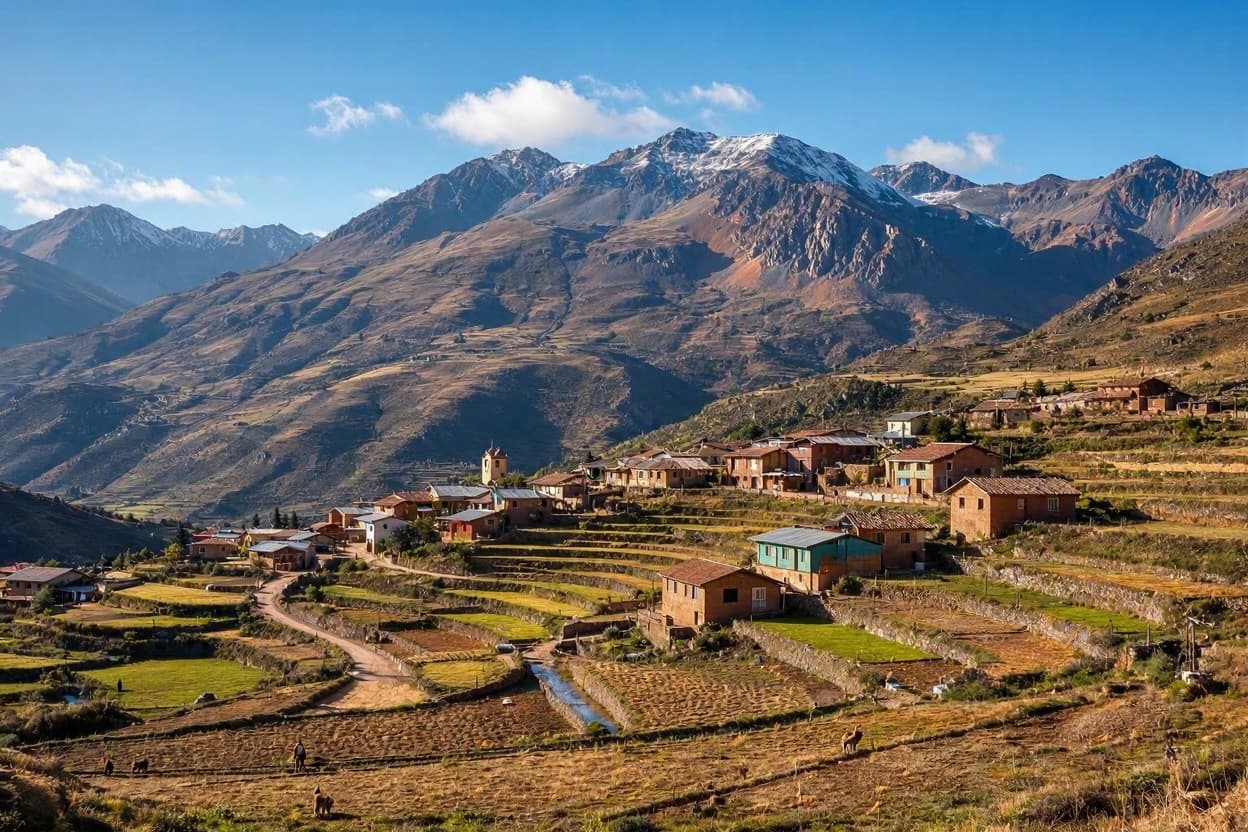
In the rugged highlands of southwestern Colombia, where the Andes mountains meet the Pacific coast, the earth recently shook with a violence that exposed deep-seated vulnerabilities. A powerful earthquake struck the departments of Cauca and Nariño, regions already burdened by decades of neglect, poverty, and conflict. For the communities there, the tremor was not just a geological event but the latest chapter in a "triple crisis" of natural disaster, economic hardship, and institutional abandonment, leaving thousands in precarious conditions.
The earthquake, measuring significant magnitude, caused widespread damage to homes, schools, and infrastructure in areas where construction standards are often low due to limited resources. In towns like El Bordo and La Sierra, adobe structures crumbled, burying belongings and, tragically, lives. The immediate aftermath revealed a landscape of dust and debris, where families stood amidst the ruins of their livelihoods, grappling with shock and the daunting task of recovery without adequate support.
What makes this disaster particularly poignant is the context of the region. Cauca and Nariño have long been marginalized by the central government in Bogotá, suffering from inadequate investment in public services and infrastructure. The presence of armed groups and the legacy of internal conflict have further complicated development efforts, leaving these communities isolated and vulnerable. When the earth shook, it did so against a backdrop of pre-existing fragility, amplifying the human cost.
The term "triple crisis" refers to the convergence of the seismic event, the ongoing humanitarian needs stemming from displacement and violence, and the structural poverty that limits resilience. Residents here face not only the physical danger of aftershocks but also the economic peril of losing what little they had. For many, the earthquake destroyed their primary assets—homes and small agricultural plots—pushing them deeper into insecurity.
Government response has been swift in deploying emergency teams, yet challenges remain. Remote terrain and damaged roads hinder the delivery of aid, while local authorities struggle with limited budgets. National agencies are working to provide temporary shelter, food, and medical care, but the scale of the need tests the capacity of the state. Civil society organizations and international partners have stepped in to fill gaps, offering crucial support to those left behind.
For the people of Cauca and Nariño, resilience is a daily practice. They have endured conflict and neglect for generations, developing strong community bonds that serve as a safety net in times of crisis. Neighbors help neighbors clear rubble, share scarce resources, and offer emotional comfort. This social capital is invaluable, but it cannot replace the need for systemic change and sustained investment in the region’s future.
The earthquake serves as a stark reminder of the inequalities that persist within Colombia. It highlights the urgent need for comprehensive policies that address not just disaster response but also long-term development, land rights, and peacebuilding. Without addressing the root causes of vulnerability, such regions will remain at risk, caught in a cycle of disaster and recovery that offers little hope for stability.
As the initial emergency phase transitions into reconstruction, the focus must shift to building back better. This means not just repairing walls but strengthening institutions, improving infrastructure, and ensuring that marginalized voices are heard in decision-making processes. For now, the people of southwestern Colombia wait for assistance, hoping that this tragedy will not be forgotten once the headlines fade.
AI Image Disclaimer: The visual elements in this article are AI-generated illustrations depicting mountainous landscapes and abstract representations of community resilience, designed to reflect the themes of disaster and recovery without showing real victims or graphic destruction.
Sources: Reuters, Al Jazeera, BBC News, El Tiempo
Note: This article was published on BanxChange.com and is powered by the BXE Token on the XRP Ledger. For the latest articles and news, please visit BanxChange.com

.jpg&w=3840&q=75 "Kimberly Stewart, 47, Pregnant With Third Child One Year After Welcoming Son")