
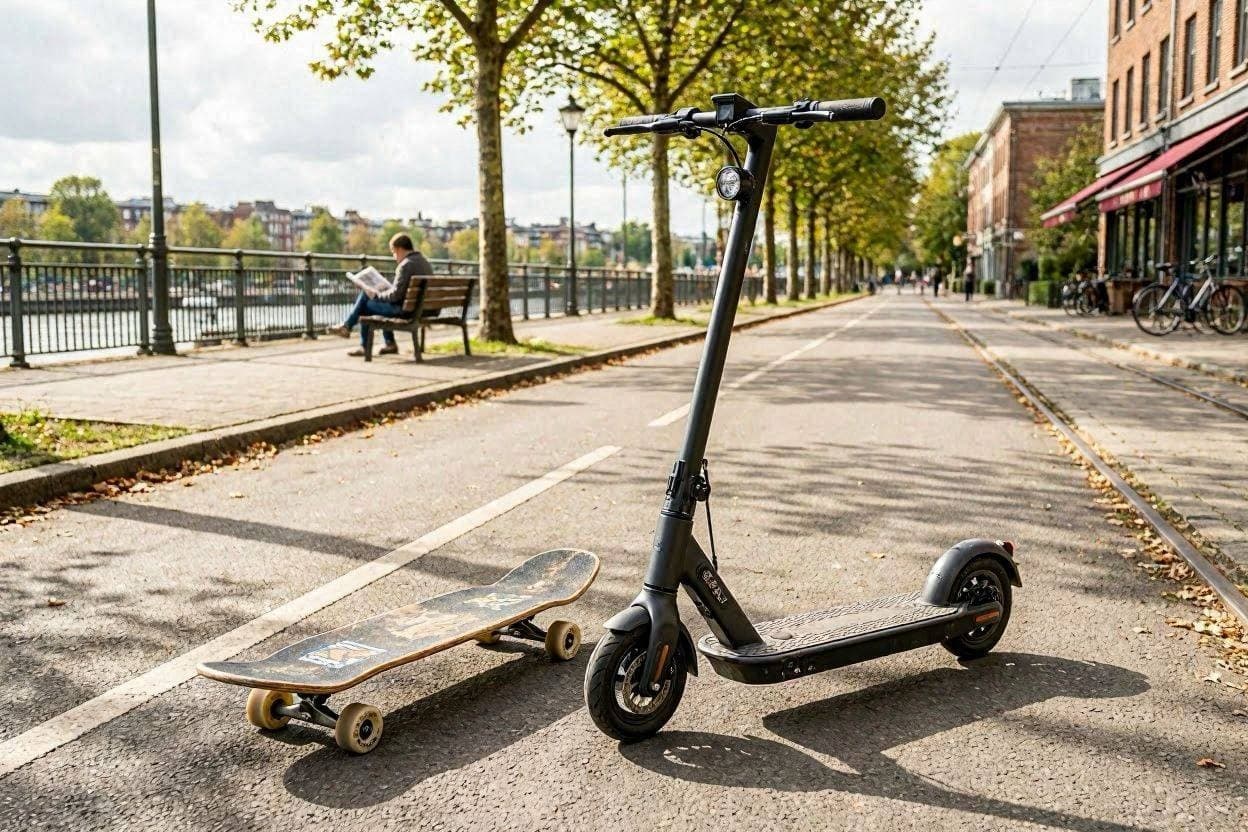
The streets of our cities are evolving, sharing space with a diverse array of mobility options from cars to bicycles, and increasingly, e-scooters and skateboards. Yet, this mix of speeds and sizes carries inherent risks, as tragically illustrated by a recent fatal collision involving an e-scooter and a skateboarder. The death of a man in this incident serves as a somber reminder of the vulnerabilities faced by users of micro-mobility devices and the urgent need for safer urban infrastructure.
The crash occurred in a busy area where paths for pedestrians, cyclists, and scooter riders intersect. Witnesses reported a high-speed impact that left little room for reaction. Emergency services responded quickly, but despite their best efforts, the victim succumbed to his injuries. The incident has shocked the local community, raising questions about the regulation and design of shared public spaces.
E-scooters have become a popular mode of transport, offering convenience and eco-friendly alternatives to cars. However, their silent operation and variable speeds can pose hazards to other road users, particularly those on skateboards or foot. Skateboarders, often moving unpredictably and with less protection, are especially vulnerable in mixed-traffic environments. This collision highlights the friction that can occur when different modes of transport compete for the same space.
Local authorities are reviewing the circumstances of the crash, examining factors such as speed limits, signage, and path design. There are calls for clearer separation of lanes to prevent such accidents, as well as stricter enforcement of safety rules for e-scooter riders. Helmet use, speed restrictions, and designated zones are being debated as potential measures to enhance safety for all users.
The tragedy also underscores the importance of user awareness and courtesy. Both e-scooter riders and skateboarders must remain vigilant, anticipating the movements of others and respecting shared spaces. Education campaigns can play a key role in promoting safe behaviors, encouraging users to slow down in crowded areas and communicate their intentions clearly.
For the family of the deceased, the loss is devastating. They are left to grapple with the suddenness of the event and the preventable nature of the accident. Their grief is a powerful catalyst for change, driving community demands for safer streets and better protection for vulnerable road users. Supporting them in this difficult time is a priority for local organizations.
As cities continue to adapt to new forms of mobility, the balance between innovation and safety must be carefully managed. This fatal crash is a call to action for planners, policymakers, and users alike to prioritize human life in the design and use of urban transport systems.
Closing: The death of the man in the e-scooter and skateboard crash is a tragic loss that highlights the risks of mixed-use streets. Ensuring safety for all road users requires continued attention to infrastructure, regulation, and responsible behavior.
AI Image Disclaimer: The accompanying visuals are AI-generated representations intended to illustrate the context of the article and do not depict actual victims or specific crash sites.
Sources: BBC News The Guardian Local Police Statements City Council Reports
Note: This article was published on BanxChange.com and is powered by the BXE Token on the XRP Ledger. For the latest articles and news, please visit BanxChange.com