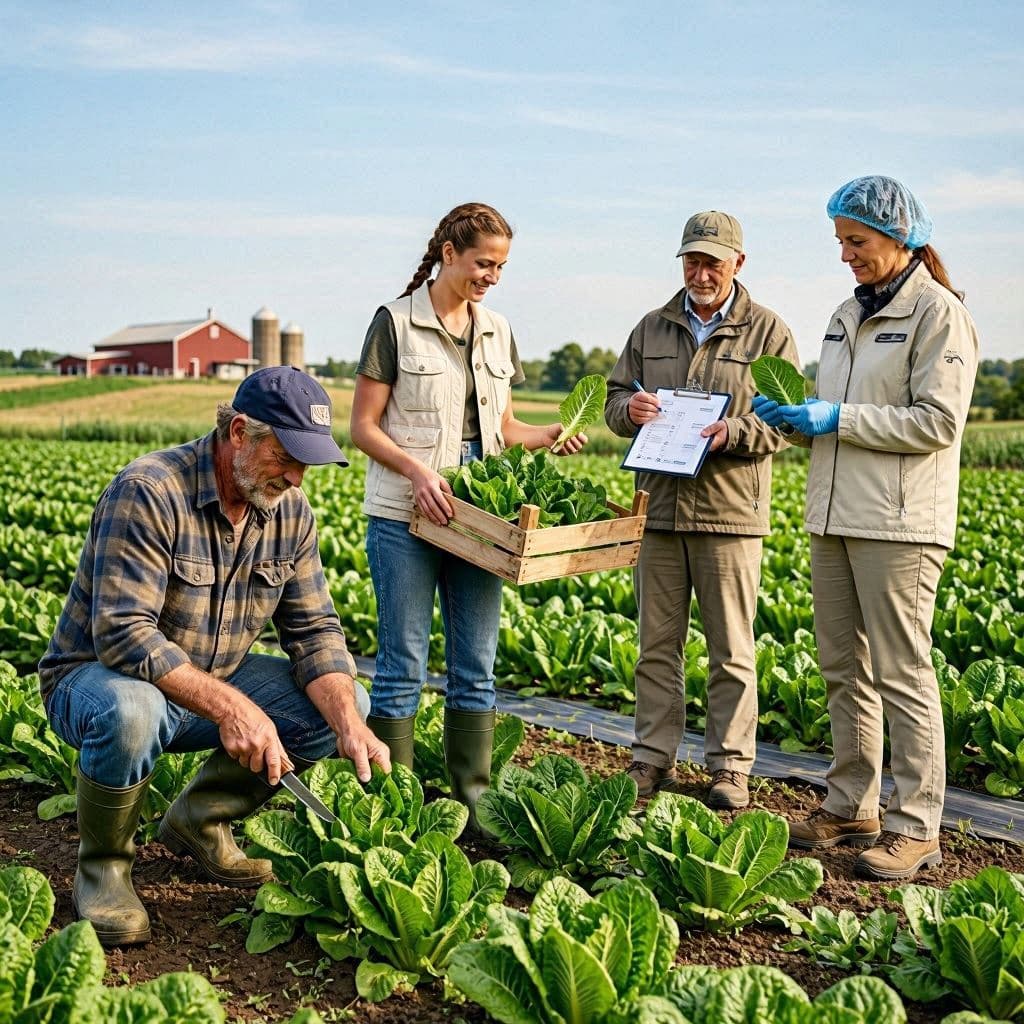
Fresh fruits and vegetables often symbolize the abundance of summer, filling markets with vibrant colors and seasonal flavors. Yet every harvest also carries a quiet responsibility: ensuring that food reaches families safely. In Wisconsin, health officials are urging caution after confirming dozens of cases of cyclosporiasis, while farmers continue emphasizing safe growing and handling practices.
The Wisconsin Department of Health Services (DHS) confirmed 43 cases of cyclosporiasis reported between May 1 and July 10. According to state officials, most infections were linked to international travel, while only nine domestically acquired cases have been identified. Investigators have not found a common food product connecting those domestic cases, and Wisconsin has no active Cyclospora outbreak at this time.
Cyclosporiasis is caused by the microscopic parasite Cyclospora cayetanensis, which spreads primarily through contaminated food or water. The illness commonly causes prolonged watery diarrhea, stomach cramps, nausea, fatigue, and loss of appetite. Although symptoms can last for weeks without treatment, the infection is rarely life-threatening and can usually be treated effectively with appropriate antibiotics.
While Wisconsin's case count remains relatively low, neighboring states have experienced much larger increases. Federal and state health agencies continue investigating a broader multistate rise in infections, although officials have not yet identified a single nationwide source responsible for all reported illnesses.
The situation has prompted Wisconsin farmers and agricultural organizations to reassure consumers about the safety measures used in local food production. Many growers emphasize routine water testing, sanitation procedures, and careful handling throughout the growing and harvesting process. Public health experts continue encouraging residents to purchase produce with confidence while following recommended food safety practices at home.
Health officials recommend washing hands before preparing food and thoroughly rinsing fruits and vegetables under running water before eating or cooking them. Because Cyclospora can be resistant to routine sanitizing methods, careful food handling remains one of the most effective ways to reduce the risk of infection. Consumers experiencing persistent diarrhea or other gastrointestinal symptoms are encouraged to seek medical evaluation.
Experts also note that fresh produce remains an important part of a healthy diet. Rather than discouraging consumption, current guidance focuses on proper preparation, awareness of symptoms, and continued cooperation among farmers, food distributors, healthcare providers, and public health agencies.
As the summer growing season continues, Wisconsin health officials will maintain surveillance for new cases while federal investigators work to better understand the broader national increase. For consumers, the message remains balanced and practical: enjoy fresh produce, practice safe food handling, and stay informed as investigations continue.
AI Image Disclaimer: The illustrations accompanying this article were created using artificial intelligence to visually represent the public health topic and are not photographs from the reported events.
Sources (verified):
Wisconsin Department of Health Services Centers for Disease Control and Prevention (CDC) WISN CBS 58 TMJ4 News
Published by Banx Network. This article is part of the Banx decentralized media programme, powered by the BXE token on the XRP Ledger.