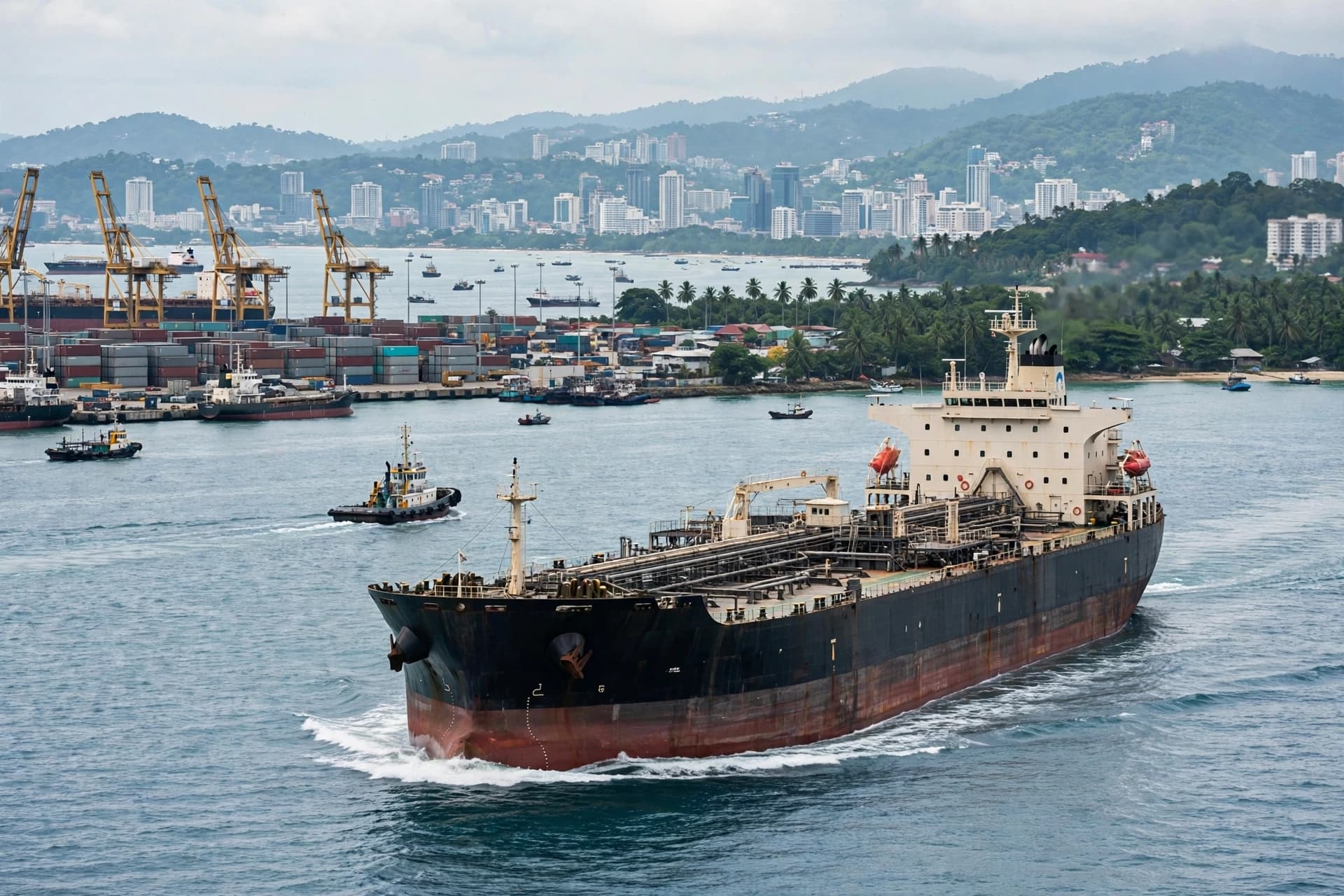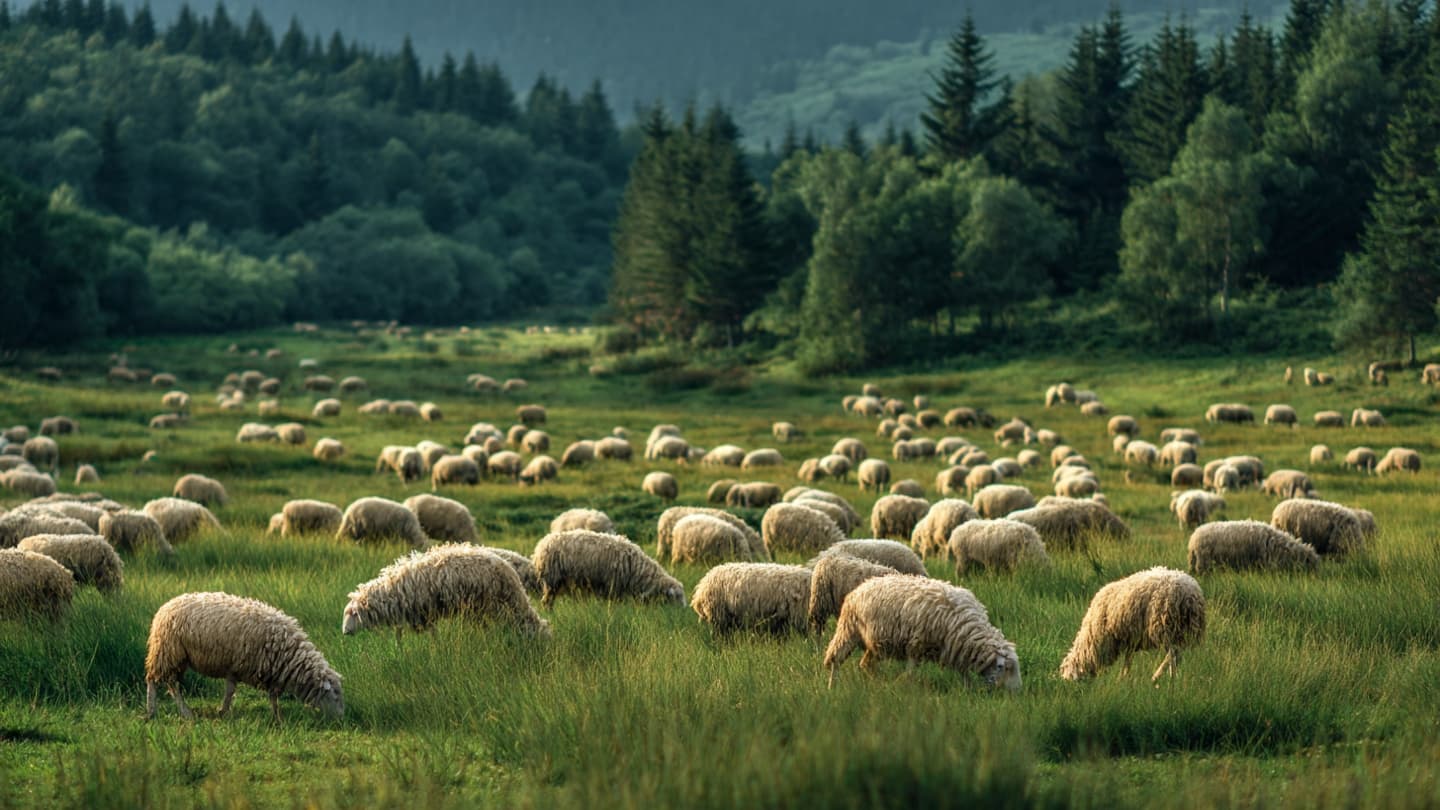
In the intricate web of global commerce, where relationships are built on trust and mutual benefit, a new thread of tension has emerged between two long-standing allies. The United States Trade Representative has directed the International Trade Commission to launch a formal safeguard investigation into lamb meat imports, a move that places Australian exporters under intense scrutiny. This decision, driven by petitions from domestic sheep producers, threatens to disrupt a market that has been a cornerstone of Australia’s agricultural economy for decades.
The investigation, authorized under Section 201 of the Trade Act, seeks to determine whether increased imports of lamb are causing or threatening to cause serious injury to the US domestic industry. For American sheep farmers, who have faced declining numbers and rising competition, this probe represents a critical opportunity to seek relief through potential tariffs or quotas. They argue that the surge in imports, primarily from Australia and New Zealand, has displaced local production and undermined the viability of their operations.
For Australia, the news is a significant concern. The US is one of the largest markets for Australian lamb, absorbing tens of thousands of tonnes annually. The industry has invested heavily in meeting American consumer preferences, building a reputation for high-quality, grass-fed product. A successful safeguard case could lead to restrictive measures that would not only reduce export volumes but also damage the brand equity built over years of consistent supply.
The timing of the investigation adds to the uncertainty. With global supply chains already strained by various geopolitical and economic factors, the prospect of new trade barriers creates anxiety for producers on both sides of the Pacific. Australian officials and industry bodies have expressed disappointment, emphasizing the complementary nature of the two markets rather than a purely competitive one. They argue that US production focuses on different cuts and seasons, allowing for a symbiotic relationship that benefits consumers year-round.
Legal experts note that safeguard investigations are rare and require a high threshold of proof. The International Trade Commission will conduct a thorough analysis of market data, hearing testimony from stakeholders before making a recommendation. The process is expected to take several months, during which time the industry must navigate the limbo of potential policy change. This period of uncertainty can itself be damaging, as buyers may hesitate to commit to long-term contracts.
The broader implications extend beyond lamb. As the US administration continues to review trade policies across various sectors, this case serves as a bellwether for how protectionist sentiments might shape future international agreements. Allies like Australia are watching closely, concerned that economic nationalism could erode the foundations of free trade that have supported global prosperity since the post-war era.
Despite the challenges, the Australian lamb industry remains resilient. Producers are exploring diversification strategies, looking to other markets in Asia and the Middle East to mitigate risk. However, the loss of the US market would be a significant blow, requiring substantial adjustment and innovation. The coming months will be critical in determining the future trajectory of this vital agricultural sector.
Closing: As the investigation proceeds, the focus remains on finding a balanced solution that supports domestic industries without unduly penalizing international partners. The outcome will have lasting effects on trade relations and the livelihoods of farmers in both countries.
AI Image Disclaimer: The visual content accompanying this article is AI-generated for illustrative purposes and does not depict actual trade negotiations or specific farm locations.
Sources: ABC News MLA (Meat & Livestock Australia) The Weekly Times USTR.gov
Published by Banx Network. This article is part of the Banx decentralized media programme, powered by the BXE token on the XRP Ledger.