
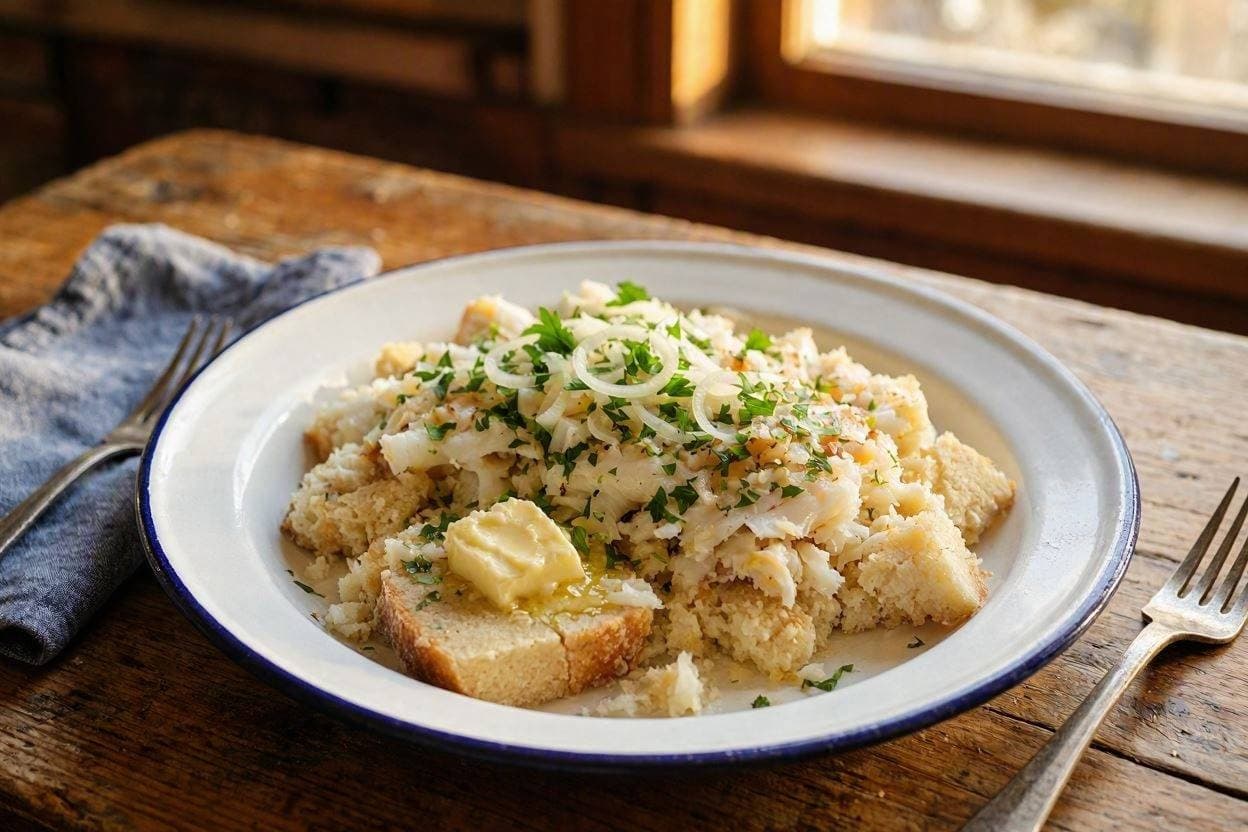
In the rugged landscapes of Newfoundland and Labrador, food is more than sustenance; it is a vessel for history and identity. Recently, shelves across the province have stood empty of a particular staple: hard bread. This dense, durable biscuit, often associated with the iconic dish fish and brewis, has become scarce following a fire at a major production facility. The shortage has sparked not just hunger pangs but a collective reflection on why this humble cracker holds such a cherished place in the local culture. It invites us to look back at the maritime roots that shaped a cuisine born of necessity and resilience.
Hard bread, known historically as hardtack or ship’s biscuit, was originally designed for longevity. In the age of sail, fresh bread spoiled quickly, but these rock-hard discs could survive months at sea without molding. For Newfoundlanders, whose ancestors were deeply connected to the fishing industry, hard bread became a practical solution for long days on the water. It was affordable, non-perishable, and filling, making it an essential part of the diet for working families.
The tradition evolved from mere survival to culinary comfort. Dishes like fish and brewis, which involve soaking hard bread in water and frying it with salt pork and cod, turned a basic ingredient into a beloved meal. The texture, once softened, offers a unique contrast to the savory flavors of the fish. For many, the taste is inextricably linked to childhood memories and family gatherings. It is a flavor that defines home.
The current shortage highlights the fragility of modern supply chains for traditional goods. With only a few manufacturers producing hard bread in the region, any disruption can have immediate effects. Local bakeries and larger companies are scrambling to fill the gap, but the specific texture and taste of the original product are difficult to replicate. This scarcity has led some residents to bake their own, reviving old family recipes.
Beyond its practical origins, hard bread carries cultural significance. It represents a connection to the past, to the fishermen who braved the Atlantic and the families who kept them fed. Eating it is an act of remembrance, a way to honor the hardships and triumphs of previous generations. In a world of fast food and global cuisines, it remains a distinctly local treasure.
As the province waits for production to resume, the conversation around hard bread has deepened. People are sharing stories, recipes, and tips for substitutes. This communal engagement strengthens social bonds, reminding everyone that food is a shared language. The shortage, while inconvenient, has fostered a renewed appreciation for this simple staple.
The shortage of hard bread in Newfoundland and Labrador has prompted a reflection on its historical and cultural importance. From its origins as a sailor’s ration to its role in traditional dishes, hard bread remains a symbol of resilience. The hope is for a swift return to normalcy in local bakeries.
AI Image Disclaimer: The visual elements accompanying this report are AI-generated interpretations designed to reflect the cultural and culinary context of the story.
Sources: CBC News DownHome Magazine Product of Newfoundland
Note: This article was published on BanxChange.com and is powered by the BXE Token on the XRP Ledger. For the latest articles and news, please visit BanxChange.com


.jpg&w=3840&q=75 "France Faces Lowest Potato Yield in More Than 30 Years as Drought Damages Crops")