
Key Highlights
- Justice Clarence Thomas publicly disagrees with a recent Supreme Court ruling.
- The case involved procedural questions related to capital punishment appeals.
- Ongoing divisions within the Court reflect broader legal debates on constitutional protections.
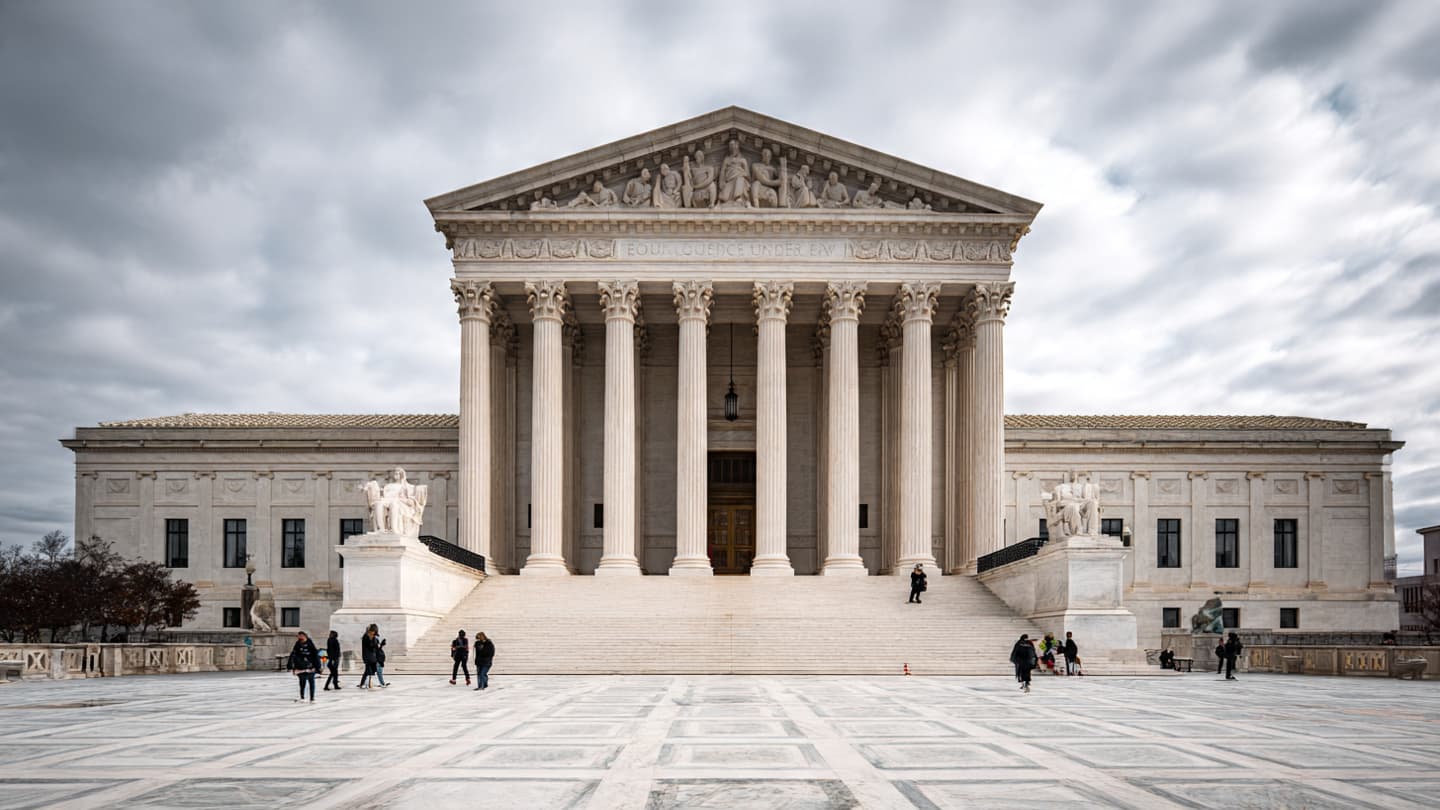
The United States Supreme Court often stands at the intersection of law, morality, and public consequence, where each decision can reverberate far beyond the courtroom. Within that setting, even internal disagreements among justices reflect the enduring complexity of constitutional interpretation.
Recently, Justice Clarence Thomas publicly expressed his disagreement with a Supreme Court ruling concerning a death penalty-related case. In his written comments, he described the decision as “unfortunate,” highlighting the contentious nature of capital punishment appeals within the legal framework.
The case in question revolved around procedural questions surrounding capital punishment appeals, an area of law that frequently examines both constitutional protections and the limits of judicial review. The Court’s majority opinion reached a conclusion that did not align with Thomas’s view of the legal standards at issue, emphasizing the ongoing divisions within the Court regarding how death penalty cases should be evaluated under federal law.
While dissenting or concurring opinions are a routine part of Supreme Court decisions, Thomas’s remarks underscore a significant rift among justices. Legal scholars often note that such disagreements highlight the evolving interpretation of constitutional protections rather than isolated policy disputes. These discussions frequently shape future litigation strategies and influence lower court decisions.
Public reactions to Supreme Court rulings in death penalty cases tend to vary widely, reflecting differing perspectives on justice, deterrence, and constitutional safeguards. However, the Court itself rarely speaks beyond its written opinions, making individual statements by justices notable when they occur. Thomas's dissent serves as a reminder of the complexities involved in interpreting the law, particularly in cases that carry profound moral implications.
As with many high-profile rulings, the broader legal implications of this decision will likely unfold over time as lower courts apply the ruling in future cases. The ongoing dialogue surrounding capital punishment and constitutional law remains a critical area of focus for legal experts and the public alike, as it continues to shape the landscape of American jurisprudence.
Published by Banx Network. This article is part of the Banx decentralized media programme, powered by the BXE token on the XRP Ledger.



