On an otherwise ordinary afternoon, residents across parts of the northeastern United States heard a sudden boom that echoed across communities and rattled homes. For a brief moment, uncertainty filled the air as people searched for an explanation. The answer, it turned out, had arrived from space. NASA later confirmed that the sound originated from a meteor that exploded high above the region.
According to NASA's analysis, the meteor fragmented at an altitude of roughly 40 miles above northeastern Massachusetts and southeastern New Hampshire. The resulting atmospheric explosion released energy comparable to approximately 300 tons of TNT, producing the powerful sonic boom reported by residents.
Witnesses across multiple states described hearing loud booms and feeling vibrations that resembled distant thunder or mild seismic activity. Initial confusion led some observers to wonder whether the event was related to an earthquake or another terrestrial source.
Scientists identified the event as a bolide, a particularly bright meteor that explodes in the atmosphere. NASA determined that the object was a natural space rock rather than re-entering space debris or part of an active meteor shower.
The meteor was traveling at an estimated speed of around 75,000 miles per hour before breaking apart. Its brightness was detected not only by eyewitnesses but also by satellite instruments capable of observing flashes in Earth's atmosphere.
Data from weather satellites and observational networks helped researchers reconstruct the event. These systems allow scientists to estimate the object's path, altitude, and energy release even when direct visual observations are limited by cloud cover or daylight conditions.
NASA's preliminary assessment suggests that surviving fragments likely fell into Cape Cod Bay. While meteorite recovery from water presents challenges, researchers note that such finds can provide valuable scientific information about the early Solar System.
Events of this scale remain relatively uncommon, though Earth encounters small meteoroids on a regular basis. Most burn up harmlessly in the atmosphere long before reaching the surface. This particular event stood out because of its brightness, energy, and the wide geographic area affected by its sonic boom.
NASA continues to analyze data associated with the meteor. The event serves as a reminder that Earth's atmosphere functions as a protective shield, absorbing the vast majority of incoming space debris before it can pose a significant threat to people on the ground.
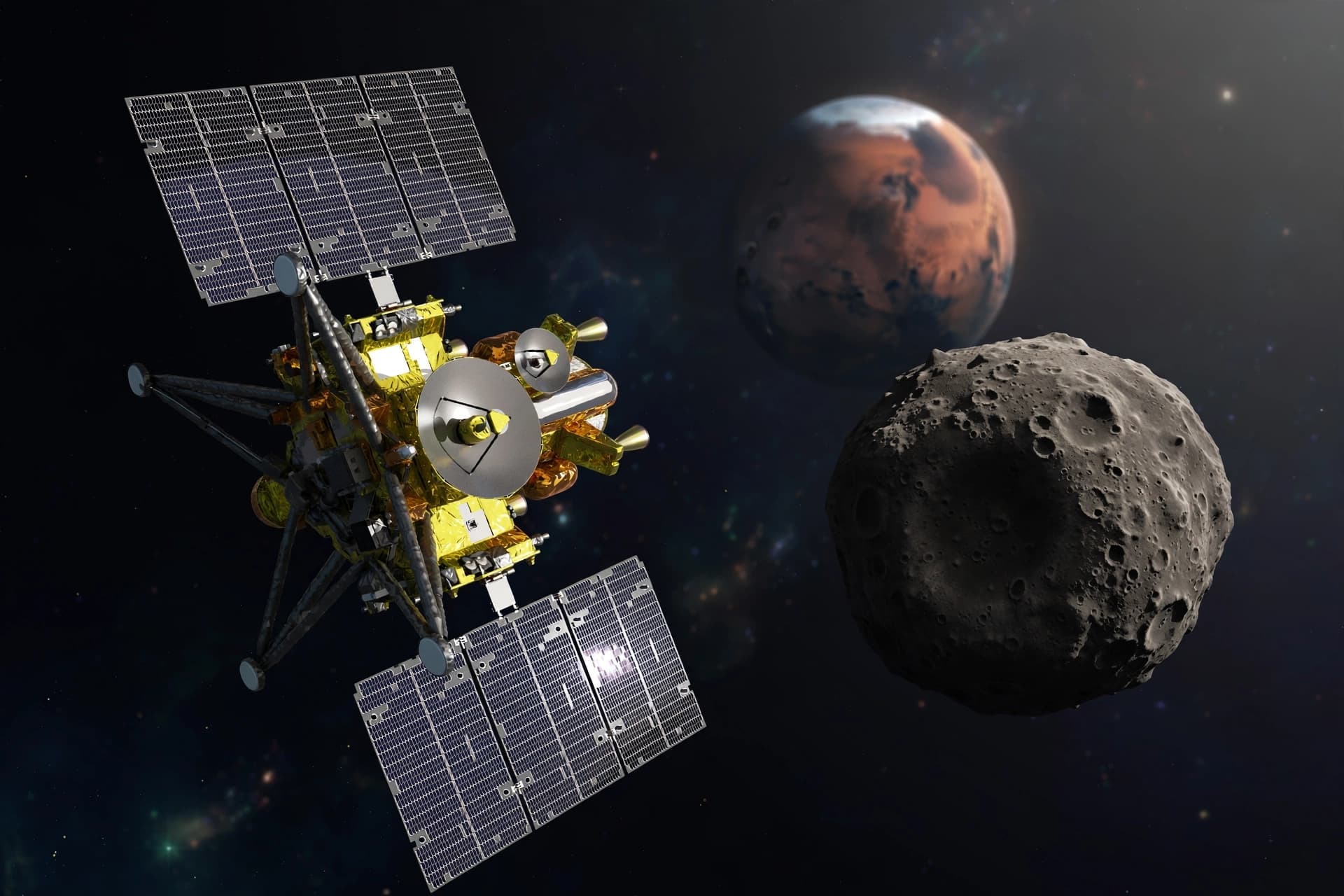
AI Image Disclaimer: The illustrations accompanying this report are AI-generated artistic representations based on scientific descriptions of the event.
Sources Verified:
NASA Space.com AFP ScienceAlert American Meteor Society
Published by Banx Network. This article is part of the Banx decentralized media programme, powered by the BXE token on the XRP Ledger.