The universe often hides its most dramatic stories behind distances so vast that even light arrives late to the telling. What appears in a telescope as a brief point of brightness may, in reality, be the final chapter of a star that lived for millions of years before vanishing in a single, extraordinary event.
Astronomers believe they may have identified one of the clearest examples yet of a pair-instability supernova, a rare type of stellar explosion so powerful that it completely destroys the star that produces it. The event, known as SN 2023vbw, was detected in a dwarf galaxy approximately 1.3 billion light-years from Earth.
The explosion first appeared to resemble a conventional Type II supernova, which occurs when a massive star exhausts its nuclear fuel and collapses under its own gravity. However, further observations revealed unusual characteristics that did not align with ordinary stellar deaths.
Researchers observed that the supernova brightened over an exceptionally long period and released far more energy than expected. Its light curve, temperature behavior, and expanding outer layers suggested that an additional internal process was driving the explosion.
Detailed modeling indicated that the progenitor may have been an enormous blue supergiant star with a mass far exceeding that of the Sun. Estimates place the expelled material between 170 and 350 solar masses, making it one of the most extreme stellar explosions ever studied.
Scientists believe the event may fit the long-theorized model of a pair-instability supernova. In these rare stars, extreme temperatures create electron-positron pairs within the core. That process reduces the radiation pressure supporting the star, triggering a catastrophic collapse followed by a thermonuclear explosion powerful enough to completely unbind the star.
Unlike many supernovae that leave behind neutron stars or black holes, pair-instability explosions are expected to erase the star entirely. The event leaves no compact remnant, only expanding debris carrying traces of the star’s final moments into surrounding space.
Researchers also noted that the star may have formed through the merger of two massive stars in a binary system. Such a scenario could explain the unusual shell of material detected around the explosion site, though significant uncertainties remain about the exact evolutionary pathway.
Astronomers plan to continue monitoring SN 2023vbw while future observatories search for similar events. If confirmed, the discovery would offer a rare opportunity to better understand how the universe’s most massive stars live and die.
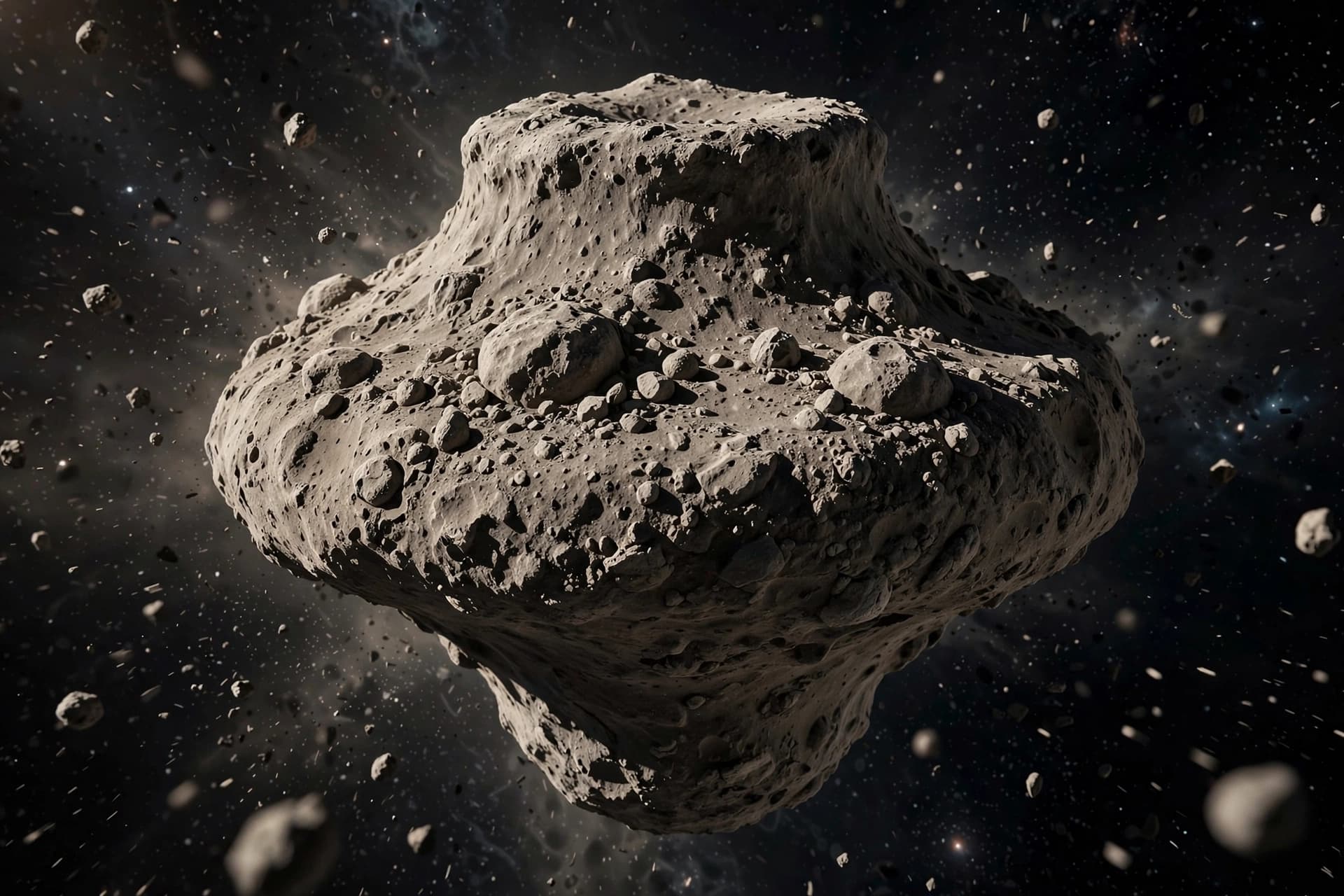
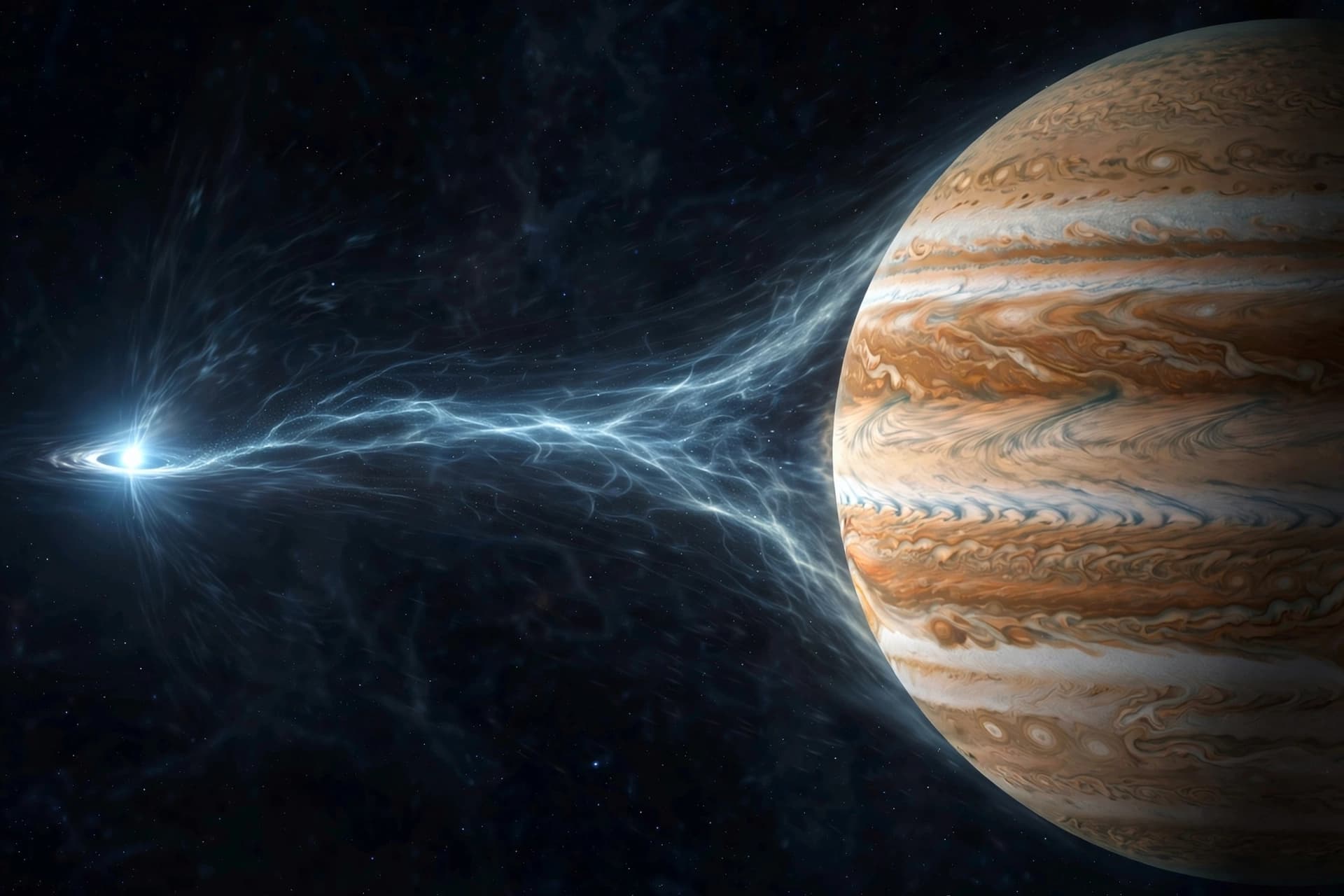
AI Image Disclaimer: Some visual illustrations accompanying this article may be AI-generated interpretations based on astronomical research.
Sources (Verification Check): Phys.org, Reuters, arXiv, Nature-related astronomy reporting
Published by Banx Network. This article is part of the Banx decentralized media programme, powered by the BXE token on the XRP Ledger.