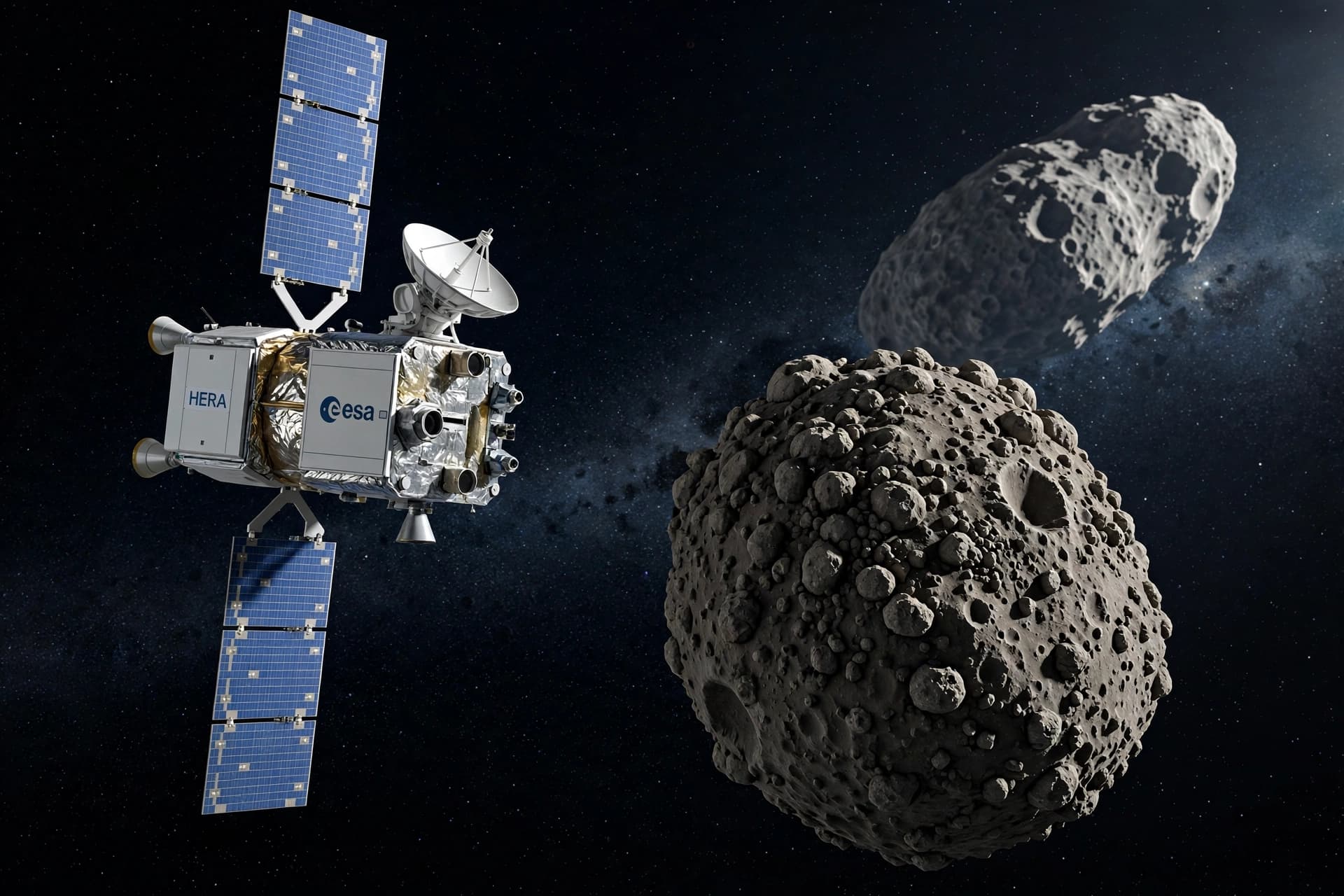
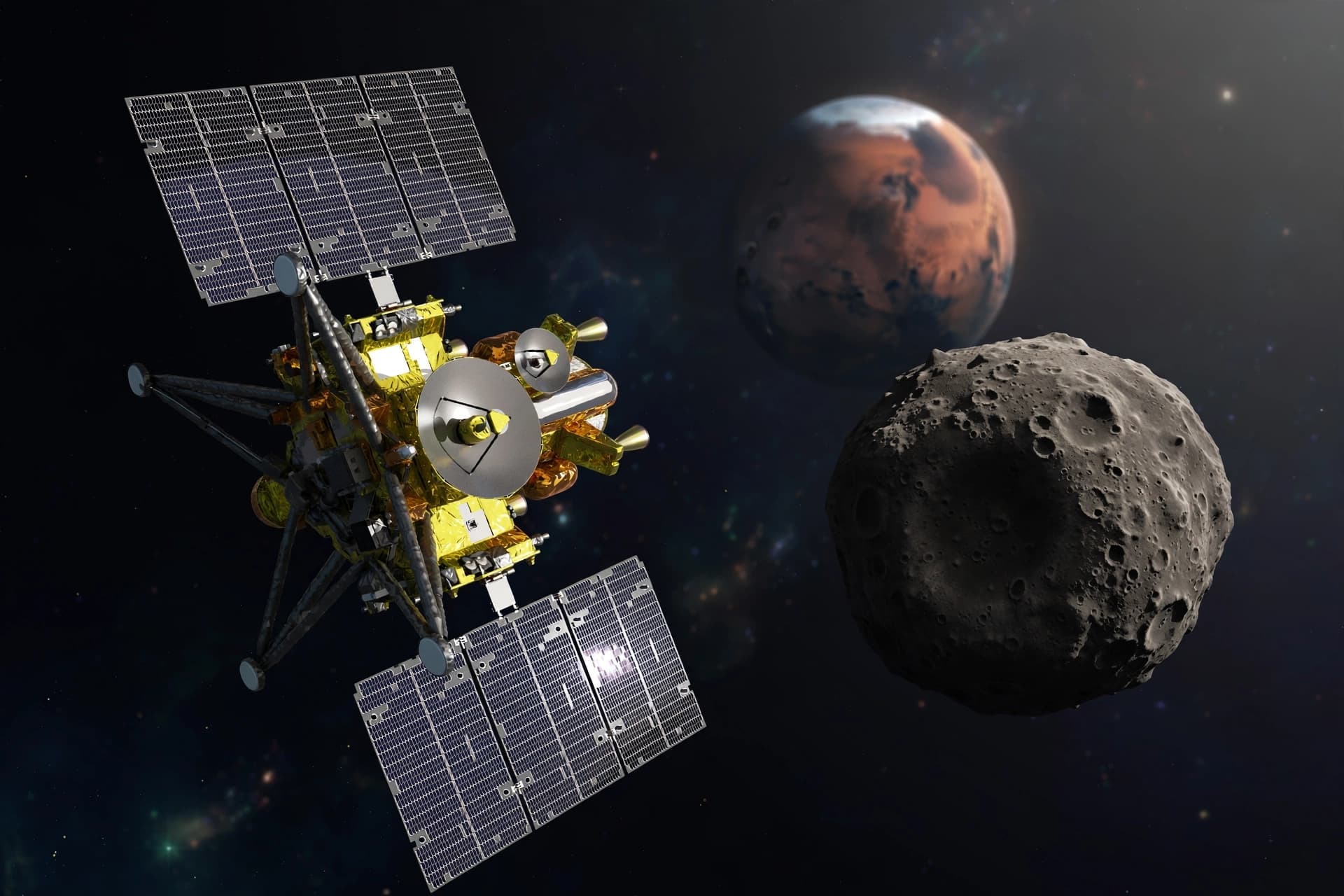
Exploration often begins with cautious ambition. A machine is carefully designed, tested against uncertainty, and sent into environments no human hand can immediately reach. On Mars, where the atmosphere is thinner than a whisper compared to Earth’s, NASA’s small helicopter Ingenuity arrived as an experiment meant to attempt only five brief flights. Instead, it became one of the most remarkable engineering stories of recent planetary exploration.
When Ingenuity landed alongside NASA’s Perseverance rover in 2021, engineers at the Jet Propulsion Laboratory viewed the helicopter primarily as a technology demonstration. Flying on Mars had long been considered extraordinarily difficult because the planet’s atmosphere is less than one percent as dense as Earth’s at sea level. To generate lift, Ingenuity’s rotor blades needed to spin at extremely high speeds while remaining lightweight enough to survive harsh Martian conditions.
The first successful flight marked a historic moment. For the first time, powered and controlled flight occurred on another planet. What followed surprised even the engineers closest to the mission. Rather than ending after five tests, Ingenuity continued operating for nearly three years, eventually completing 72 flights across rocky terrain, dusty plains, and ancient Martian landscapes.
During its extended mission, the helicopter traveled farther and flew more often than originally expected. Scientists used the aircraft to scout routes ahead of the Perseverance rover, helping identify safer paths and scientifically interesting targets. The flights also provided valuable data about Martian winds, navigation systems, and aerial operations under extreme environmental conditions.
Ingenuity’s mission concluded in 2024 after rotor blade damage prevented further flight. NASA officials said the helicopter remained upright and operational in communication terms, but the damage made additional airborne operations impossible. Even so, researchers described the mission as an overwhelming success that exceeded its initial goals by a wide margin.
The helicopter’s performance is now influencing future concepts for Mars aviation. Engineers are studying how Ingenuity handled dust, temperature swings, and aerodynamic challenges in order to design larger and more capable aircraft for future exploration. Some proposed missions involve aerial vehicles capable of carrying scientific instruments over much greater distances or reaching terrain inaccessible to rovers.
Beyond the technical achievements, Ingenuity carried symbolic weight. It demonstrated how small experimental systems can transform larger missions. In many ways, the helicopter resembled an early explorer crossing uncertain ground not through strength alone, but through persistence and adaptability. Each short flight widened humanity’s practical understanding of another world.
Planetary scientists say aerial exploration may become increasingly important as missions seek faster ways to study difficult environments. Mars contains steep cliffs, crater walls, and rugged geological formations that can be challenging for surface vehicles. Aircraft could help bridge those limitations by surveying terrain from above.
NASA continues analyzing data gathered during Ingenuity’s flights, and researchers believe its legacy will shape future planetary aviation for years to come. What began as a modest experiment beneath the pale skies of Mars ultimately became a demonstration of how curiosity and engineering can exceed even carefully measured expectations.
AI Image Disclaimer: Some visuals accompanying this article were created with AI-generated imagery for illustrative presentation.
Sources: NASA, Jet Propulsion Laboratory, Space.com, Ars Technica, Scientific American
Published by Banx Network. This article is part of the Banx decentralized media programme, powered by the BXE token on the XRP Ledger.