For generations, cancer screening has relied on a series of separate examinations, each focused on a specific organ or disease. Advances in medical science, however, are gradually painting a different picture—one in which a single blood sample could reveal far more than once seemed possible.
Researchers and biotechnology companies are making progress toward developing blood tests capable of screening for multiple forms of cancer simultaneously. Known as multi-cancer early detection, or MCED tests, these technologies aim to identify cancer-related signals in blood before symptoms appear.
Several companies and research institutions are currently conducting large-scale clinical trials to evaluate the effectiveness and reliability of these tests. Early findings suggest that MCED tests may detect a range of cancers, including some that currently lack routine screening methods.
Scientists explain that many of these tests analyze fragments of DNA released by tumors into the bloodstream. By examining specific genetic or molecular patterns, researchers hope to identify both the presence and likely origin of cancers.
Medical experts caution that although the technology shows promise, additional studies are still required to determine how accurately such tests perform in diverse populations and whether widespread use improves patient outcomes.
Questions also remain regarding false positives, follow-up procedures, cost, and integration into existing healthcare systems. Regulators will need to assess these factors before approving broad clinical use.
Several health systems are already participating in pilot programs and observational studies designed to understand how MCED testing could complement traditional screening approaches such as mammograms and colonoscopies.
Cancer specialists emphasize that existing recommended screenings should continue even as newer technologies are developed and evaluated.
If ongoing trials continue to demonstrate strong results, multi-cancer blood tests could represent a significant step forward in early cancer detection over the coming years.
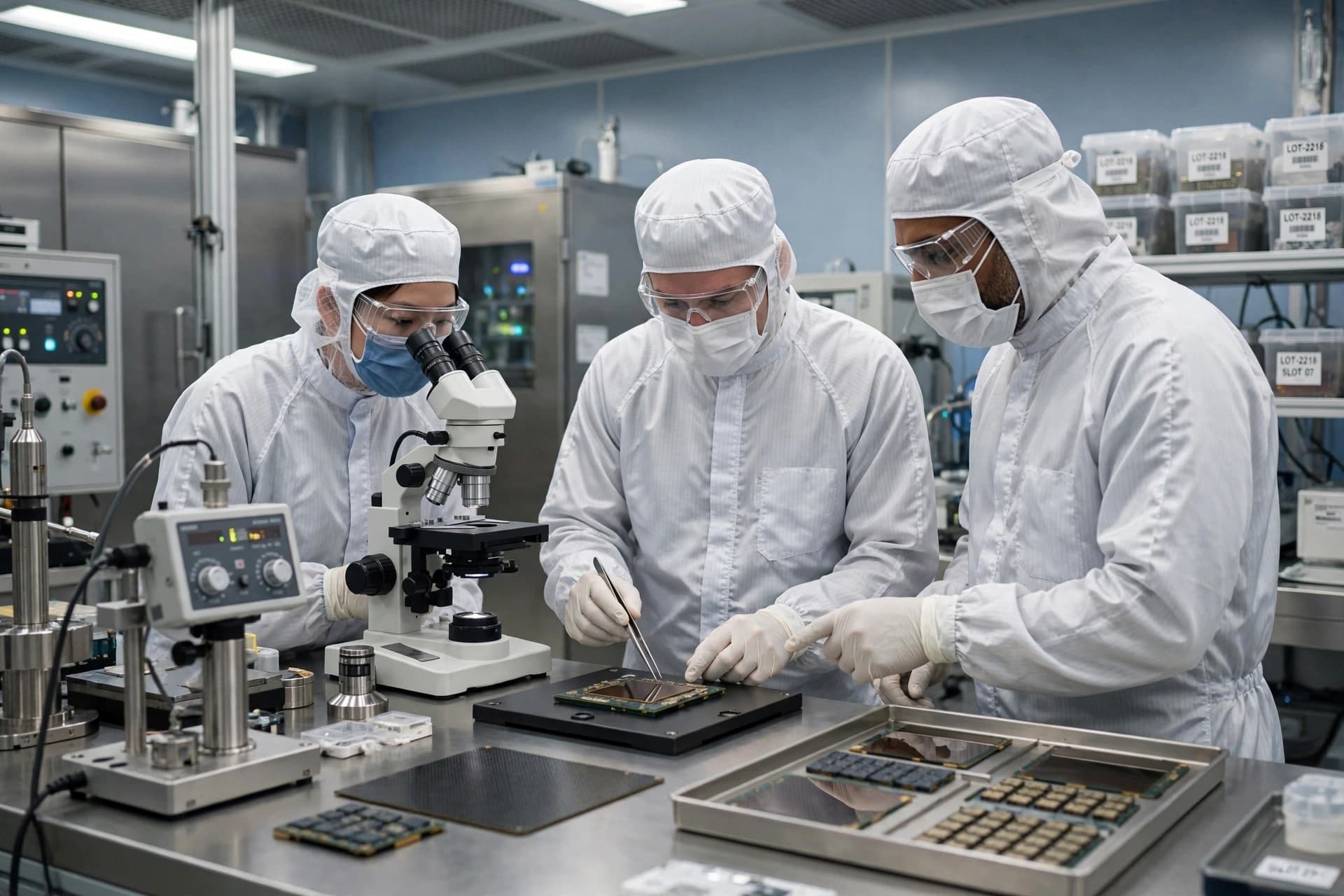
AI Image Disclaimer: The images used alongside this article are AI-generated and serve solely as illustrative visual aids.
Sources: Nature, The New York Times, Reuters, American Cancer Society
Published by Banx Network. This article is part of the Banx decentralized media programme, powered by the BXE token on the XRP Ledger.