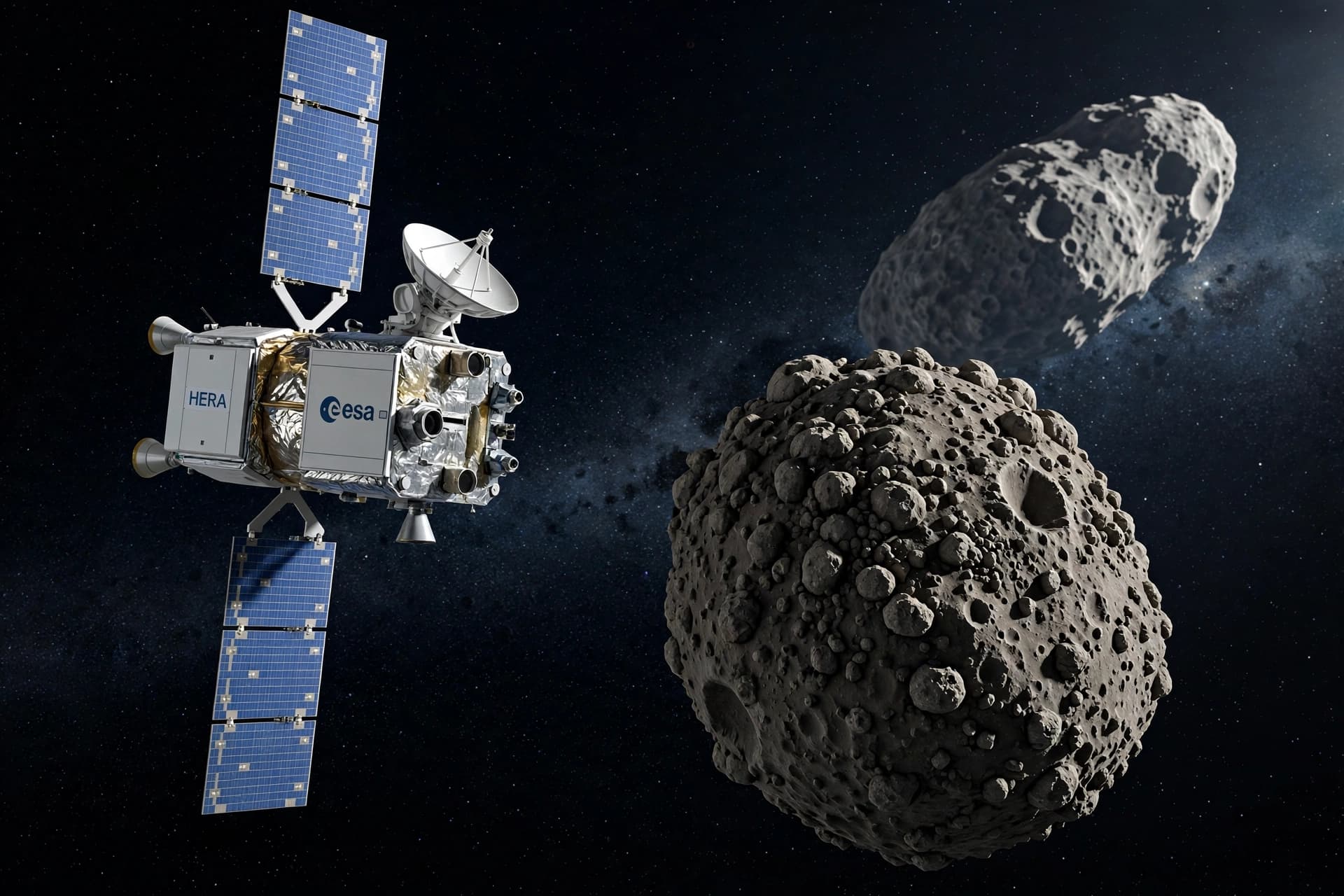
In the vast silence of space, motion often occurs without notice, except for the careful eyes of scientific observation. Occasionally, a passing object draws attention as it moves through the shared neighborhood of planets and orbits.
Astronomical monitoring systems regularly track near-Earth objects to assess their trajectories and ensure accurate orbital predictions. These systems rely on telescopes and radar data to measure speed, distance, and movement patterns.
Recently observed asteroid flybys are part of a continuous catalog of space objects that pass near Earth at varying distances. While the term “close approach” is used, these distances are typically vast in human terms.
NASA and other space agencies maintain databases that classify such objects based on size, speed, and orbital characteristics. This classification helps determine whether further observation is needed.
The study of near-Earth objects also contributes to broader planetary defense research. Understanding their composition and trajectory helps improve long-term modeling of potential future risks.
At the same time, these observations offer scientific opportunities. Each passing object provides data about the early solar system, as asteroids often preserve material from its formation period.
Public communication about these events is generally careful, emphasizing context and scale to avoid misunderstanding of distance or risk levels.
As observational technology continues to improve, the ability to track and understand near-Earth objects becomes increasingly precise, reinforcing both scientific knowledge and planetary awareness.
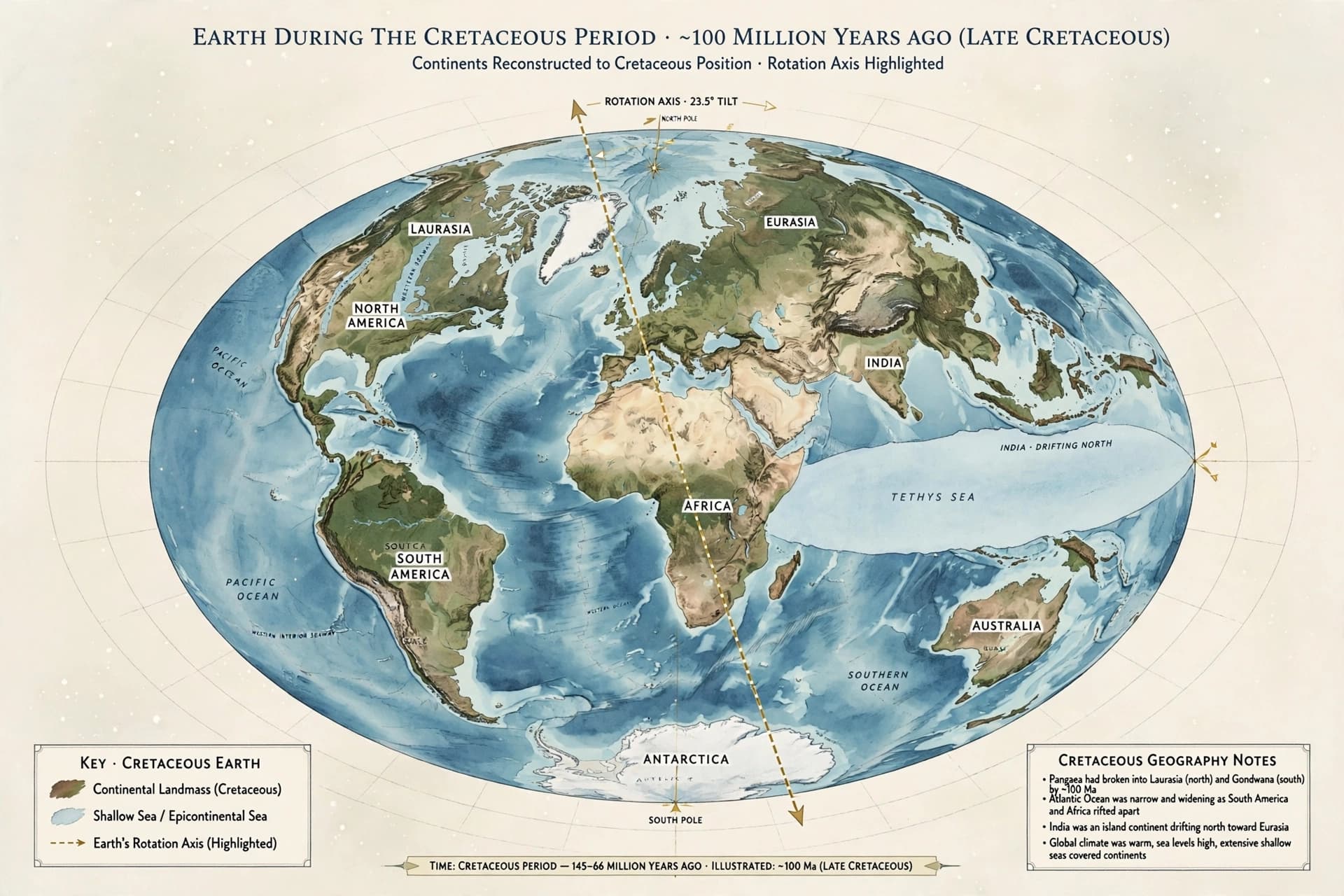
AI Image Disclaimer: All images are AI-generated representations of asteroid tracking and space observation concepts.
Sources: NASA JPL, ESA, Space.com, ScienceDaily, BBC Science
Published by Banx Network. This article is part of the Banx decentralized media programme, powered by the BXE token on the XRP Ledger.