The city of Varna, with its rhythmic pulse of sea air and urban life, often hides the profound solitude that can exist behind the facade of any apartment building. In the quiet hours when the rest of the world is surrendered to sleep, lives unfold in the private, domestic spaces we construct for ourselves. It is within these intimate confines that a sudden, transformative tragedy recently occurred, leaving a silence where there was once the steady warmth of an elderly couple’s presence.
Fire has a way of erasing the mundane, turning a home—a place of comfort, memory, and routine—into something unrecognizable in a matter of moments. When such an event strikes overnight, it disrupts not just the physical structure of the residence, but the fabric of a neighborhood that quietly held two lives within its walls. The transition from peace to crisis is often swift, leaving behind a jarring void that resonates long after the embers have been extinguished.
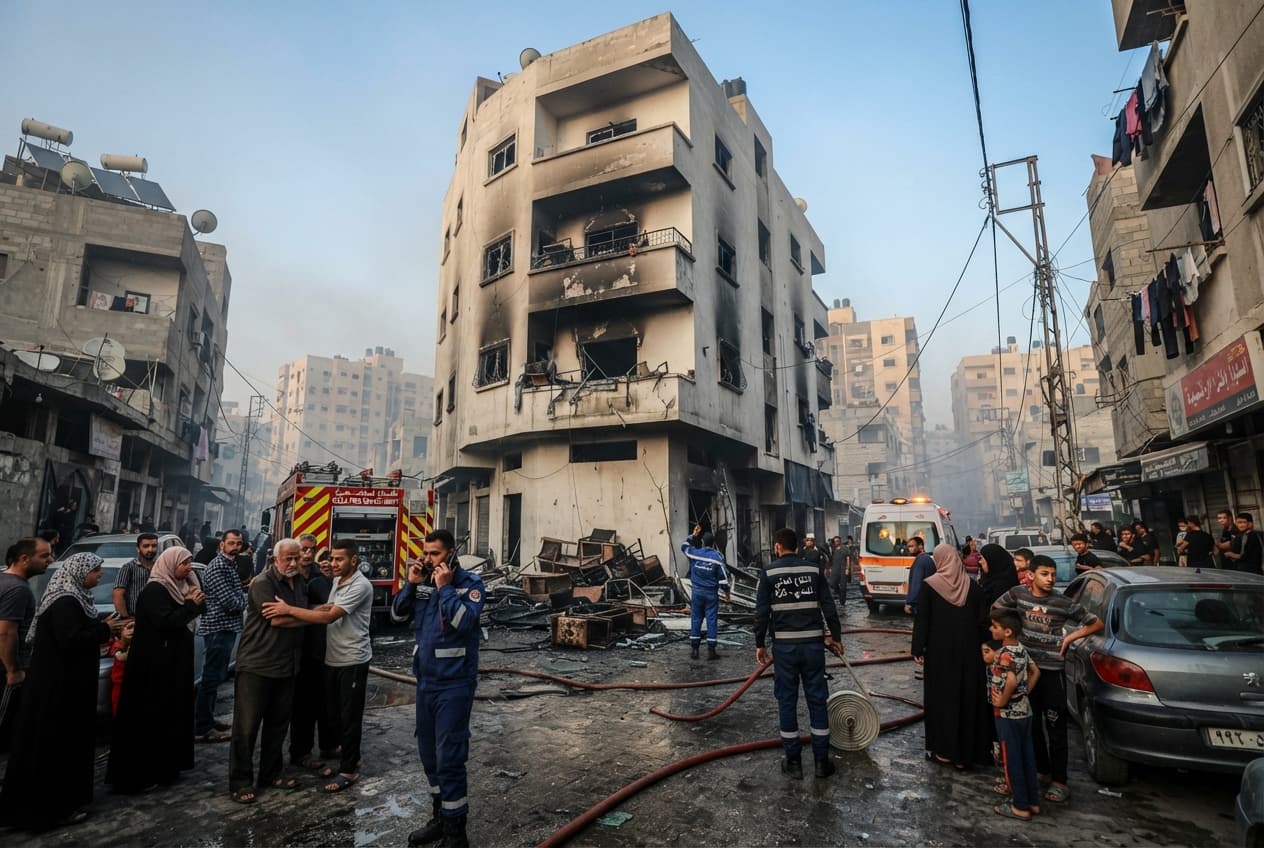
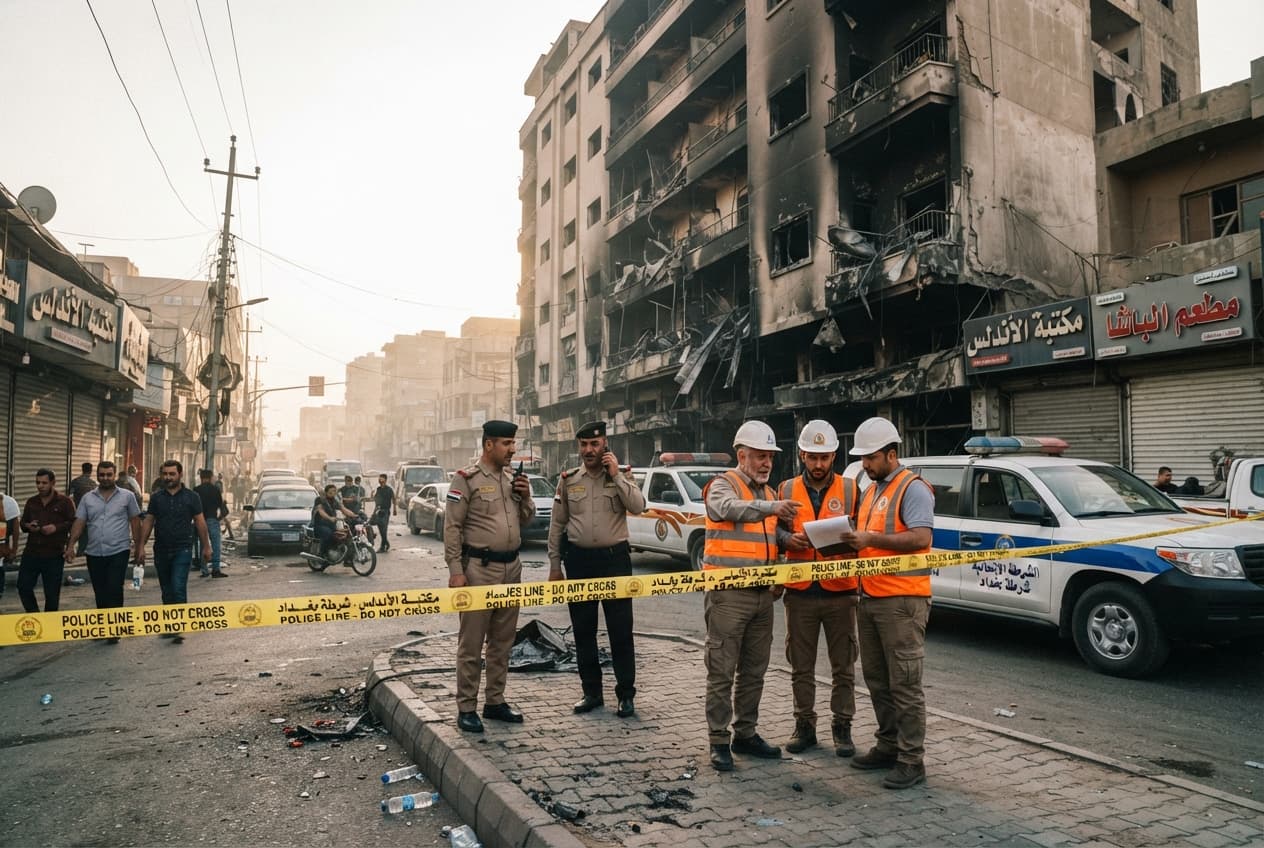
Emergency responders arrived to find the reality of the situation already unfolding, their work defined by the urgency of the moment and the somber nature of their task. The professional distance required to navigate such an scene is a heavy burden, yet it is essential to the process of containment and the pursuit of answers. Their actions in the dark of the morning are the only bridge between the catastrophe and the eventual return of a semblance of order.
For the families and the community, the aftermath is a period of reflection on the fragility of life. We often navigate our days with the assumption of longevity, believing that the rhythm of our routines will remain unbroken. An event like this challenges that assumption, forcing a pause to acknowledge the impermanence that dwells just beneath the surface of our everyday experiences.
Investigations into the origin of the blaze will follow, seeking to identify the sequence of events that led to the loss. This clinical process, while necessary for the sake of public safety and institutional accountability, often struggles to capture the weight of what has been lost. It is a necessary exercise, yet one that can feel disconnected from the profound, human sorrow that permeates the site of the fire.
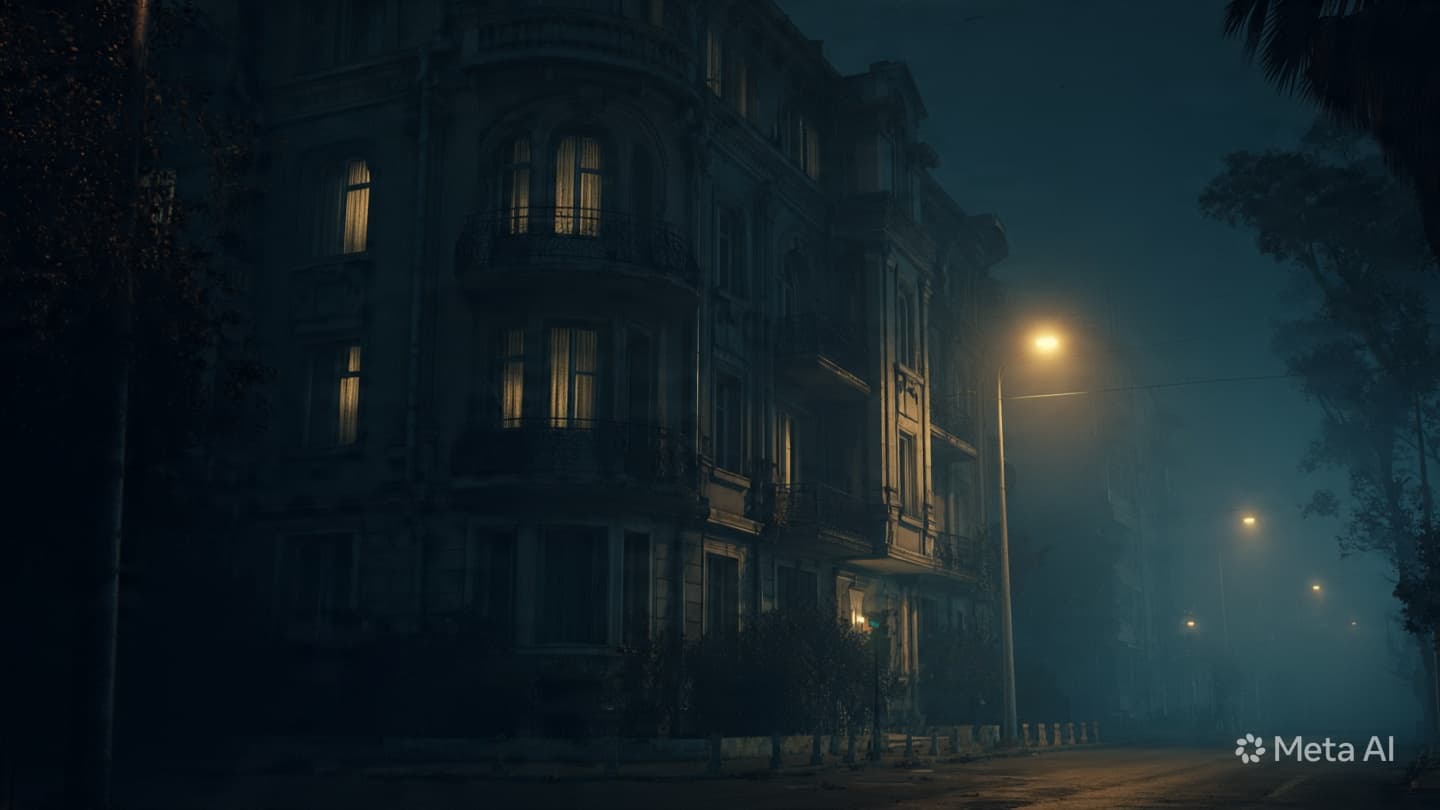
In the quiet days that follow, the apartment building stands as a solemn witness. Its windows may be darkened, its corridors echoing with a new, heavier stillness. The community finds itself navigating the complex terrain of grief, a collective process that transcends the simple facts of the incident. It is a time to remember, to honor the lives that have ended, and to hold space for the sorrow that now occupies the home.
The narrative of such a loss becomes part of the city’s broader history, a reminder of the quiet, unseen tragedies that occasionally puncture the veneer of our lives. It is a call to vigilance, perhaps, but also a call to a deeper empathy for those who share our buildings and our neighborhoods. We are all living in proximity to one another, tethered by the walls that define our homes and the shared reality of our human fragility.
As the city of Varna continues its daily movement, the memory of this night will likely linger in the minds of those who knew the couple. It is a reminder that even in the most familiar places, we are subject to forces beyond our control. The investigation will eventually conclude, providing a technical resolution, but the human story—of lives lived and lives lost—remains the true center of the event.
Authorities have confirmed the deaths of an elderly couple following an overnight apartment fire in Varna. Emergency services arrived on the scene to extinguish the blaze, but the residents were unable to be rescued. An official investigation has been initiated to determine the cause of the fire and assess safety standards within the building.
Published by Banx Network. This article is part of the Banx decentralized media programme, powered by the BXE token on the XRP Ledger.