
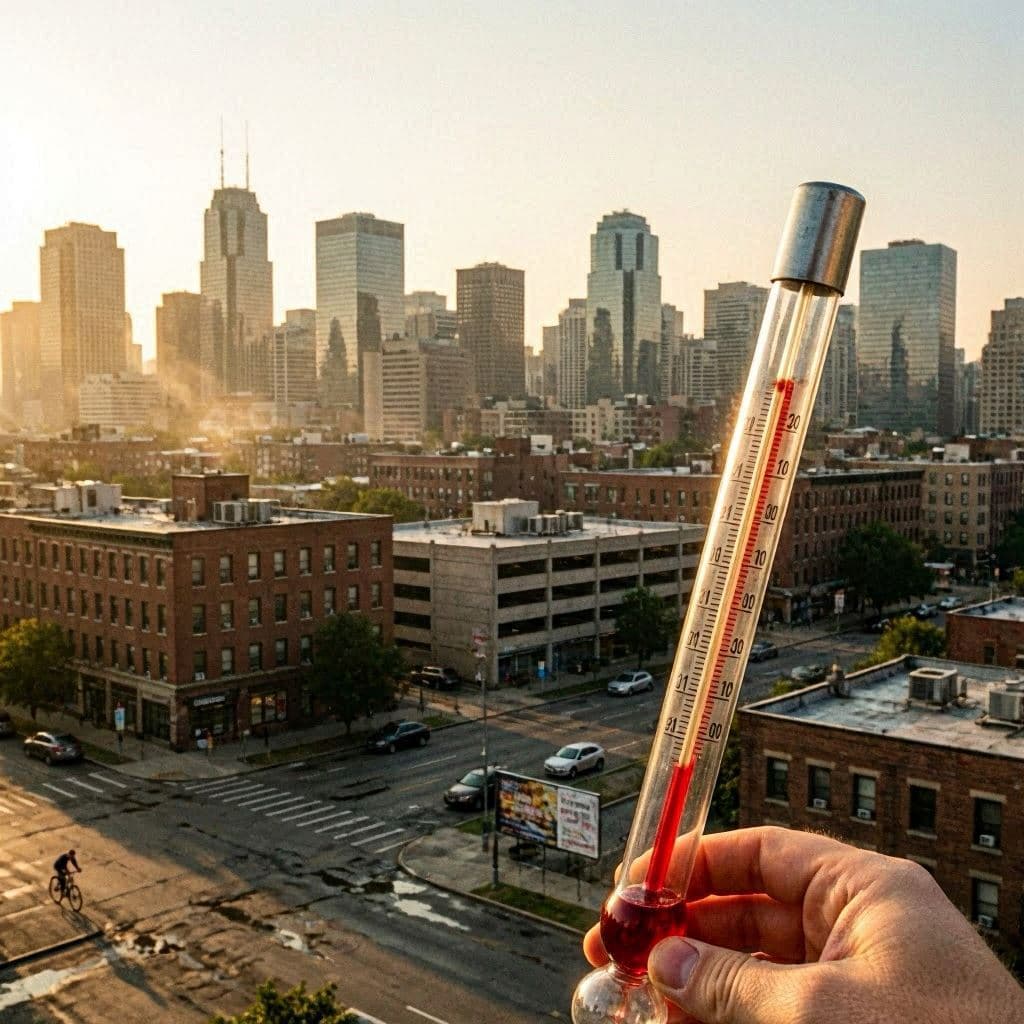
Summer in America is traditionally a time of celebration, marked by barbecues, fireworks, and gatherings under the sun. But this year, the sun has become less a companion and more a adversary, as a dangerous heatwave blankets much of the country. With temperatures soaring well into the triple digits and humidity adding to the discomfort, millions of Americans are facing a Fourth of July unlike any other. The heat dome, a persistent high-pressure system, has trapped hot air over large regions, turning holiday plans into tests of endurance and safety.
Body: The National Weather Service has issued excessive heat warnings for over 200 million people, stretching from the Midwest to the East Coast. Cities like Chicago, New York, and Washington D.C. are experiencing record-breaking temperatures, with heat indexes reaching dangerous levels. The intensity of the heat is not just uncomfortable; it is life-threatening, particularly for vulnerable populations such as the elderly, children, and those without access to air conditioning.
Emergency services are on high alert, preparing for an increase in heat-related illnesses. Hospitals have opened cooling centers, and local governments are urging residents to stay hydrated and avoid strenuous outdoor activities. The strain on the power grid is also significant, as air conditioners run continuously to combat the sweltering conditions. Utility companies are working to prevent blackouts, but the demand is unprecedented.
The impact on holiday celebrations is profound. Many outdoor events, including parades and fireworks displays, have been modified or canceled to protect public safety. Families are opting for indoor gatherings or early morning activities to avoid the peak heat of the day. The traditional image of a sunny, carefree Independence Day is being replaced by one of caution and adaptation. Climate change experts point to this event as another example of extreme weather becoming the norm.
Agricultural sectors are also feeling the pinch, with crops suffering from heat stress and drought conditions. Farmers are irrigating more frequently, increasing costs and water usage. The economic ripple effects extend to tourism and retail, as people stay indoors rather than shop or travel. The heatwave is not just a weather event; it is an economic disruptor that affects various industries.
Public health officials are emphasizing the importance of community support. Checking on neighbors, especially those living alone, is crucial during such extreme conditions. Social cohesion can be a lifeline, ensuring that no one is left vulnerable to the heat. Schools and community centers are offering safe spaces for those who need relief from the high temperatures.
As the heat persists, questions about long-term resilience arise. Urban planning strategies, such as increasing green spaces and improving building insulation, are being revisited. The current crisis serves as a catalyst for discussing sustainable adaptations to a warming world. Policy makers are under pressure to address the root causes of climate change while managing immediate risks.
Despite the challenges, the spirit of the holiday endures. Americans are finding ways to celebrate safely, honoring the nation’s history while navigating the realities of a changing climate. The Fourth of July will still be marked by patriotism and unity, even if the festivities look different this year.
Closing: The dangerous heatwave affecting the U.S. ahead of the Fourth of July highlights the growing impact of extreme weather. As millions cope with record temperatures, safety and community support are paramount. The holiday continues, adapted to the realities of a hotter summer.
AI Image Disclaimer: Please be aware that the visual aids in this piece are AI-generated interpretations designed to support the narrative of the weather event.
Sources: National Weather Service CNN The New York Times NPR
Note: This article was published on BanxChange.com and is powered by the BXE Token on the XRP Ledger. For the latest articles and news, please visit BanxChange.com