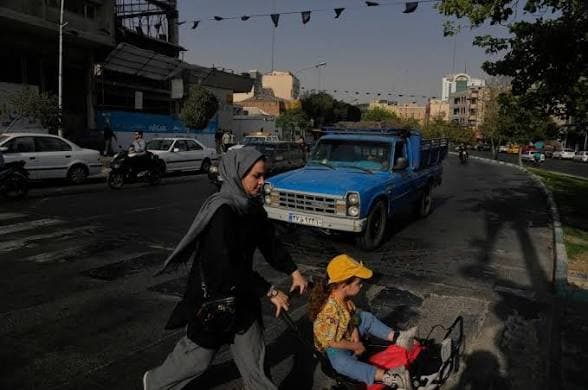
Diplomacy often advances quietly, far from the headlines generated by conflict and confrontation. Yet some of the most consequential developments in international affairs begin with conversations rather than declarations. Recent reports indicating that Iran is reviewing a proposal aimed at reducing tensions have drawn attention from governments and observers around the world.
According to diplomatic sources, Iranian officials are evaluating a proposal designed to create conditions for de-escalation and renewed engagement. While the full details have not been publicly disclosed, the discussions suggest that communication channels remain active despite recent periods of heightened tension.
The proposal arrives during a period of significant uncertainty in the Middle East. Governments throughout the region continue to monitor developments closely, aware that shifts in diplomatic relations can influence security, trade, and broader geopolitical dynamics.
Iranian leaders have emphasized the importance of carefully assessing any proposal before making decisions. Such reviews are common in complex negotiations, where political, economic, and security considerations often intersect. The process reflects the cautious approach typically associated with high-level diplomatic discussions.
International observers note that diplomatic efforts frequently require patience. Agreements often emerge through gradual progress rather than sudden breakthroughs. Confidence-building measures, technical discussions, and sustained communication can all play important roles in creating conditions for broader understanding.
The United States and several regional partners have also expressed interest in reducing the risk of further escalation. Diplomatic engagement remains one of the primary tools available for addressing disagreements while avoiding additional instability.
Beyond official negotiations, developments of this nature attract attention from businesses, investors, and ordinary citizens. Regional stability can affect economic opportunities, energy markets, and long-term planning across multiple countries.
International organizations have generally welcomed initiatives that encourage dialogue. While significant challenges remain, diplomatic processes provide opportunities for parties to explore solutions through negotiation rather than confrontation.
For now, the focus remains on Iran’s review of the proposal and the responses of other stakeholders. Whether the discussions lead to formal agreements or continued negotiations, they highlight the enduring importance of diplomacy in managing complex international relationships.
AI Image Disclaimer: Any accompanying image is AI-generated and intended solely as a visual interpretation of the news topic.
Source Verification Check: Reuters, Associated Press, Financial Times, Al Jazeera
Note: This article was published on BanxChange.com and is powered by the BXE Token on the XRP Ledger. For the latest articles and news, please visit BanxChange.com