
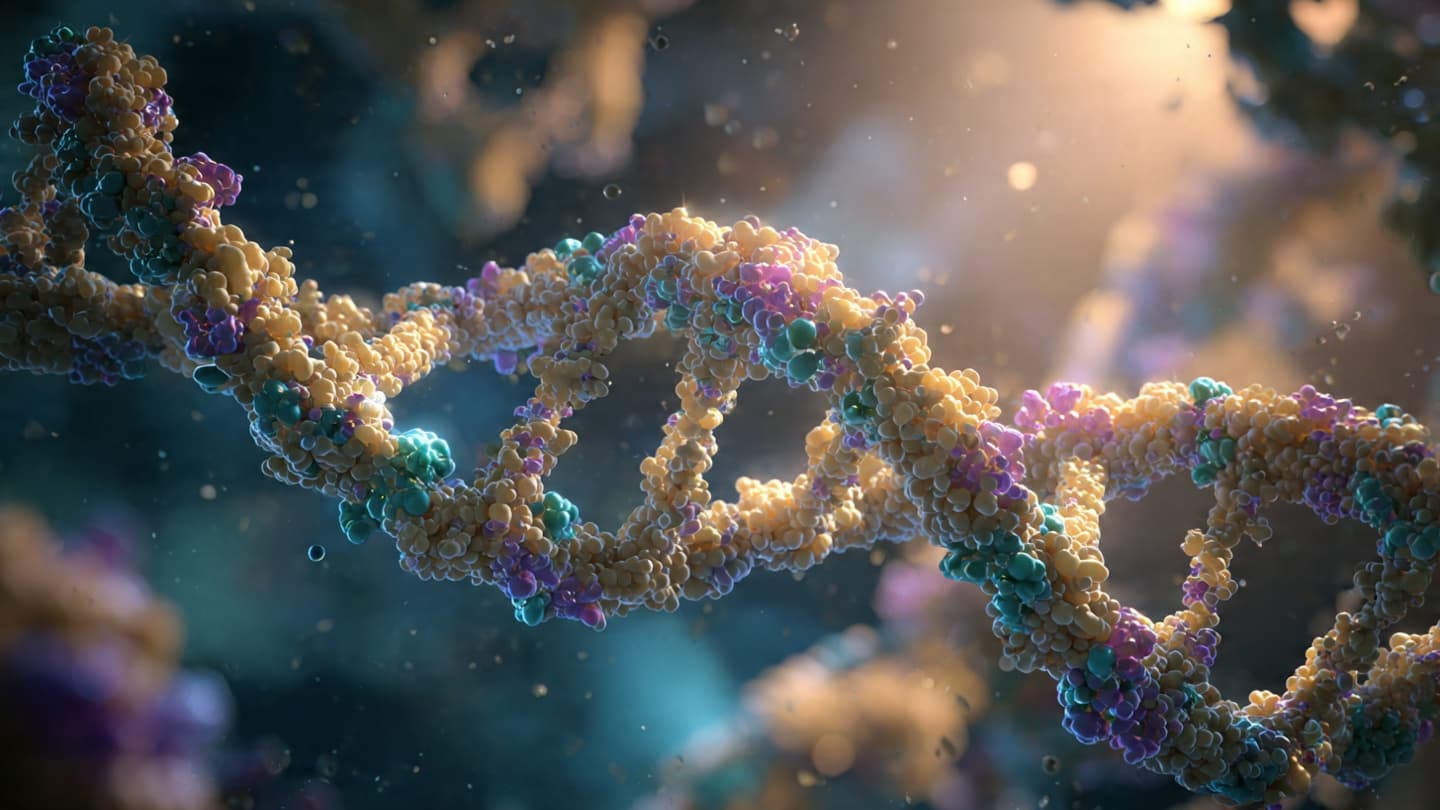
Within every living cell, countless processes unfold quietly and continuously. Much like a city functioning through unseen networks, the human body depends on intricate biological systems working together to maintain stability. A recent scientific discovery involving a protein that appears to help protect cells from harmful genetic mutations has attracted significant attention from researchers.
Scientists have identified a biological mechanism that may reduce the impact of certain mutations. The protein appears to play a role in helping cells maintain normal functions even when genetic changes occur.
Mutations are a natural part of biology. Many are harmless, some are beneficial, and others can contribute to disease. Understanding how cells manage these changes is one of the central challenges of modern biomedical research.
Researchers found evidence that the newly studied protein helps buffer the effects of potentially damaging genetic alterations. By supporting cellular stability, it may reduce the likelihood that certain mutations lead to harmful outcomes.
The discovery is particularly interesting because it opens new possibilities for therapeutic development. If scientists can better understand how this protective mechanism operates, future treatments may be designed to strengthen or replicate its effects.
Medical researchers frequently seek ways to prevent diseases before symptoms appear. Biological systems that naturally limit damage offer valuable models for developing preventive strategies and innovative therapies.
Experts caution that translating laboratory discoveries into approved treatments typically requires many years of research, testing, and regulatory review. Early findings are promising, but substantial work remains ahead.
Nevertheless, the study highlights the growing sophistication of molecular biology. Advances in genetics, imaging technologies, and computational analysis continue to reveal previously hidden aspects of cellular function.
As investigations continue, the discovery provides a reminder that some of medicine's most important breakthroughs begin with understanding the body's own protective mechanisms. The path toward future therapies may start with lessons already written into biology itself.
AI Image Disclaimer: The illustrations used for this article are AI-generated visual representations of scientific concepts and do not depict actual laboratory observations.
Source Verification Check: Nature, molecular biology researchers, biomedical research institutions
Note: This article was published on BanxChange.com and is powered by the BXE Token on the XRP Ledger. For the latest articles and news, please visit BanxChange.com