
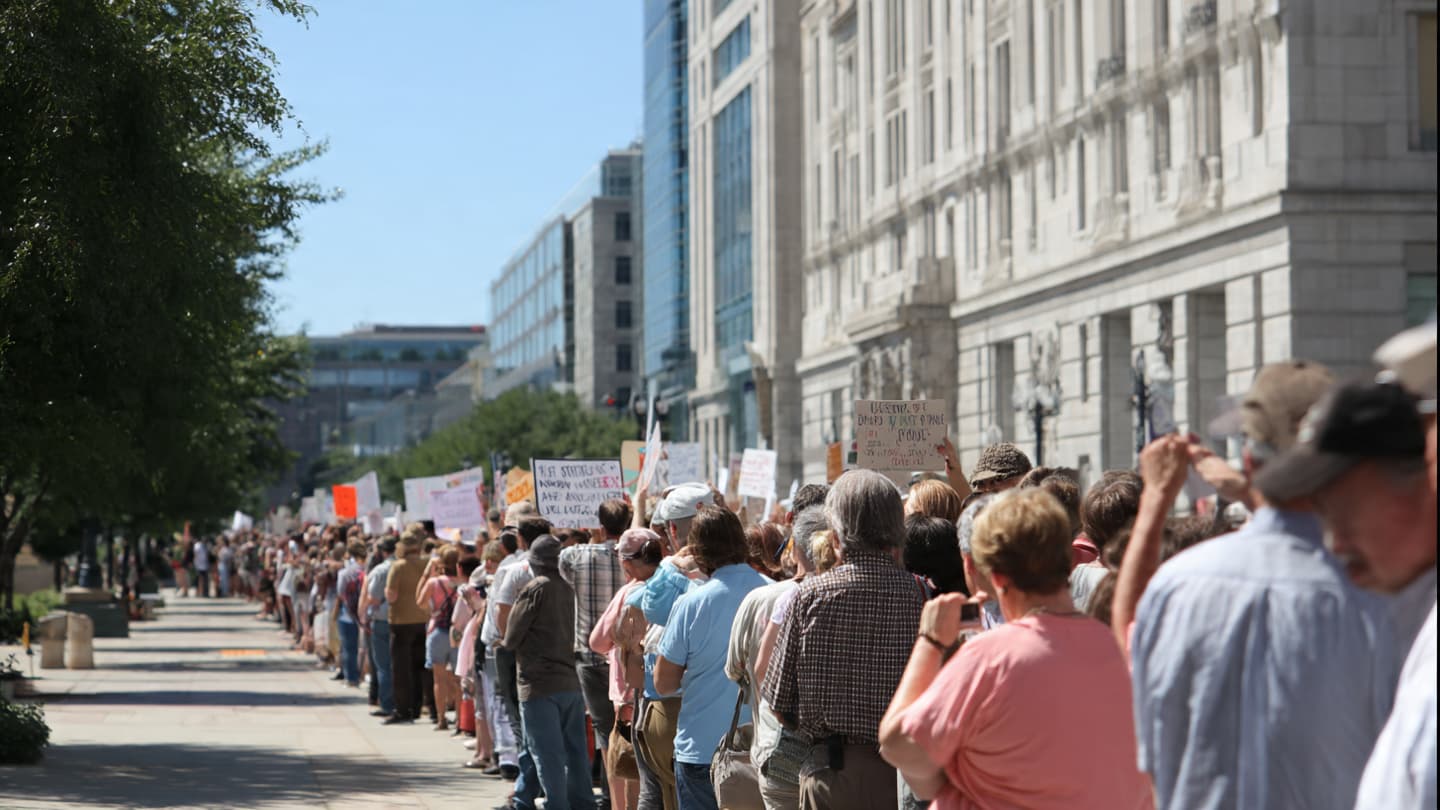
The relationship between protest and power has rarely been simple. Across different eras, demonstrations have served as expressions of frustration, solidarity, and political belief, while governments have often viewed certain actions through the lens of public order and security. The tension between those perspectives remains one of democracy’s most enduring debates.
A federal jury in Washington state has convicted three anti-ICE protesters on felony conspiracy charges tied to a 2025 demonstration that sought to block the transfer of immigration detainees. The verdict has drawn national attention because legal experts view the case as an important test of the Trump administration’s approach toward protest-related prosecutions.
The defendants were accused of participating in a protest outside an immigration detention facility in Spokane. Prosecutors argued that the demonstrators conspired to impede federal officers carrying out official duties.
The convictions were secured under a rarely used Civil War-era federal law known as 18 U.S.C. Section 372. Legal scholars noted that prosecutions under the statute have historically been uncommon, making the case closely watched by civil liberties groups and constitutional law observers.
Federal prosecutors maintained that the charges reflected unlawful interference with government operations rather than punishment for political speech. The Justice Department argued that the case focused on conduct rather than ideology.
Defense attorneys and civil rights advocates offered a different interpretation. They argued that the prosecution risked broadening criminal liability in ways that could affect future demonstrations involving civil disobedience or protest activity.
The trial also generated discussion because some arguments relating to First Amendment protections were restricted during proceedings. Critics of the prosecution said those limitations raised concerns about how protest actions may be interpreted within future federal cases.
The verdict arrives amid broader national disputes over immigration enforcement, detention policies, and the role of public protest. Similar demonstrations have occurred across multiple states as immigration remains a central issue in American political debate.
Attorneys representing the defendants are expected to pursue appeals, ensuring that legal questions raised by the case will likely continue beyond the jury’s decision.
AI-generated images are included for illustrative purposes and do not depict actual court proceedings or participants.
Sources: The Guardian, Reuters, Associated Press
Note: This article was published on BanxChange.com and is powered by the BXE Token on the XRP Ledger. For the latest articles and news, please visit BanxChange.com