In the quiet sanctity of prayer, leaders often seek guidance that transcends political borders and diplomatic protocols. For Pope Francis, the ongoing humanitarian challenges at the intersection of Europe and Africa are not merely policy issues but moral imperatives. Recently, he turned his gaze toward the Virgin Mary under her title of Our Lady of Africa, invoking her intercession for the migrants caught in the complex dynamics between Spain and Morocco. This spiritual appeal highlights the deep human suffering inherent in the migration crisis, reminding the world that behind every statistic is a person seeking safety and dignity.
The relationship between Spain and Morocco has long been defined by its geographic proximity and historical ties, yet it is also marked by tension over migration flows. The Strait of Gibraltar and the enclaves of Ceuta and Melilla serve as primary entry points for thousands of individuals fleeing instability, poverty, or conflict in North and Sub-Saharan Africa. These journeys are perilous, often undertaken in makeshift boats or by swimming across fortified borders, resulting in frequent tragedies that shock the conscience of the international community.
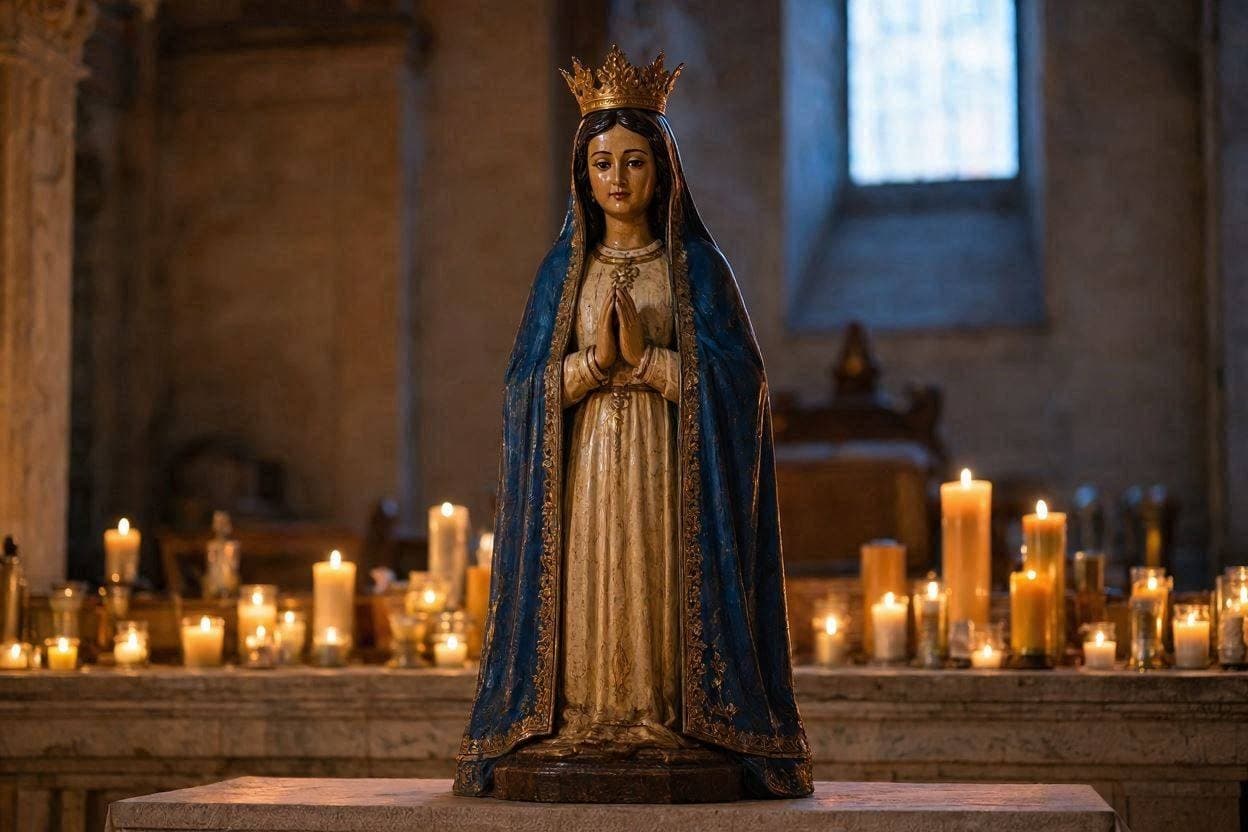
By calling on Our Lady of Africa, the Pope emphasizes the shared humanity of those on the move. The title refers to a specific devotion to the Virgin Mary that is widespread across the African continent, symbolizing protection and hope. This invocation serves as a bridge between cultures, acknowledging the faith traditions of many migrants while appealing to the Christian heritage of Europe. It is a gesture of solidarity that seeks to soften the hard edges of border enforcement with compassion.
The crisis is multifaceted, involving diplomatic negotiations, security concerns, and humanitarian obligations. Spain and Morocco have experienced fluctuations in their cooperation, with migration sometimes used as a lever in broader political disputes. When tensions rise, border controls may tighten or loosen unpredictably, leaving migrants in limbo. The Pope’s call for prayer is a subtle nudge toward stability and humane treatment, urging leaders to prioritize the well-being of vulnerable individuals over political expediency.
For the Catholic Church, migration is a central theme of its social teaching. Pope Francis has consistently advocated for policies that welcome, protect, promote, and integrate migrants. His reference to Our Lady of Africa reinforces this stance, framing the issue not as a security threat but as a test of moral character. It invites believers and non-believers alike to consider the ethical dimensions of how societies respond to those in need.
Local communities in both Spain and Morocco are often on the front lines of this crisis. Volunteers, religious organizations, and civil society groups work tirelessly to provide food, shelter, and medical care to arrivals. Their efforts are fueled by a sense of duty and empathy, reflecting the values the Pope champions. However, they often operate with limited resources, highlighting the need for broader systemic support and international cooperation.
The invocation also serves as a reminder of the spiritual roots of the region. Christianity and Islam have coexisted in North Africa and Southern Europe for centuries, shaping a shared cultural landscape. In times of crisis, these shared histories can offer a foundation for dialogue and mutual respect. Prayer becomes a space where differences are set aside in favor of common human concerns.
Pope Francis’s appeal to Our Lady of Africa is a gentle but powerful call for compassion in the face of a persistent humanitarian challenge. It reminds us that while politics may divide, our shared humanity and spiritual hopes can unite us in the pursuit of justice and mercy for all migrants.
AI Image Disclaimer: The visuals accompanying this article are AI-generated illustrations designed to represent the themes of spiritual intercession and humanitarian aid.
Sources: Vatican News, Reuters, Al Jazeera, Crux
Note: This article was published on BanxChange.com and is powered by the BXE Token on the XRP Ledger. For the latest articles and news, please visit BanxChange.com