In the vast expanse of the Eastern Pacific, where the ocean meets the sky in an endless horizon, Hurricane Genevieve has emerged as a powerful force of nature. Yet, unlike many storms that capture headlines with their destructive potential, Genevieve’s path is one of isolation, moving through open waters without posing a direct threat to land.
The hurricane, which intensified rapidly after forming from Tropical Storm Fausto, serves as a reminder of the dynamic and often unpredictable nature of weather systems. For meteorologists and residents along the Mexican coast, it is a phenomenon to be monitored with respect, but not with immediate fear.
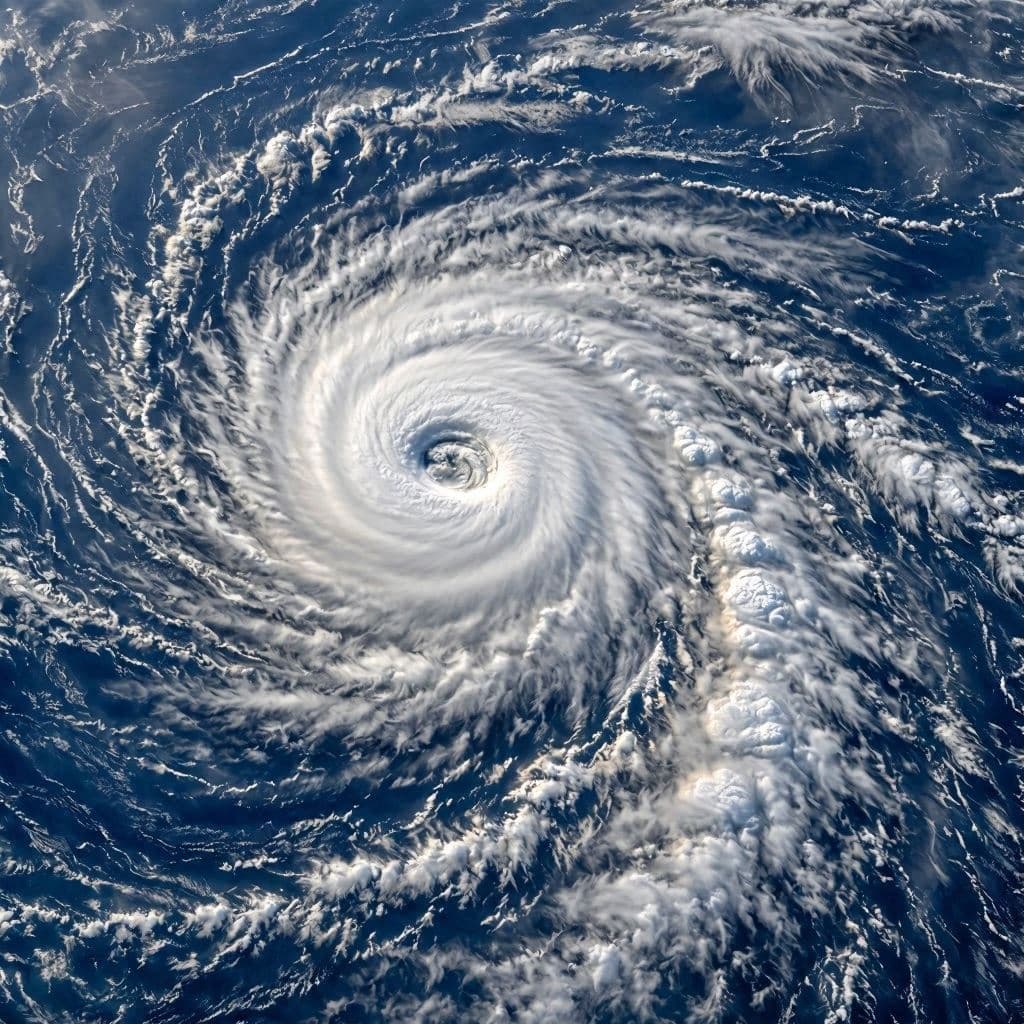
Body: Genevieve strengthened into a major hurricane on Friday, July 24, 2026, with sustained winds reaching significant speeds. The National Hurricane Center noted that the storm’s structure became well-defined, with a clear eye and dense banding of clouds, characteristic of a mature tropical cyclone.
Despite its intensity, the storm’s trajectory keeps it well offshore, moving westward away from the Mexican coastline. This path is influenced by high-pressure systems that steer it into the cooler waters of the open Pacific, where it is expected to gradually weaken due to less favorable atmospheric conditions.
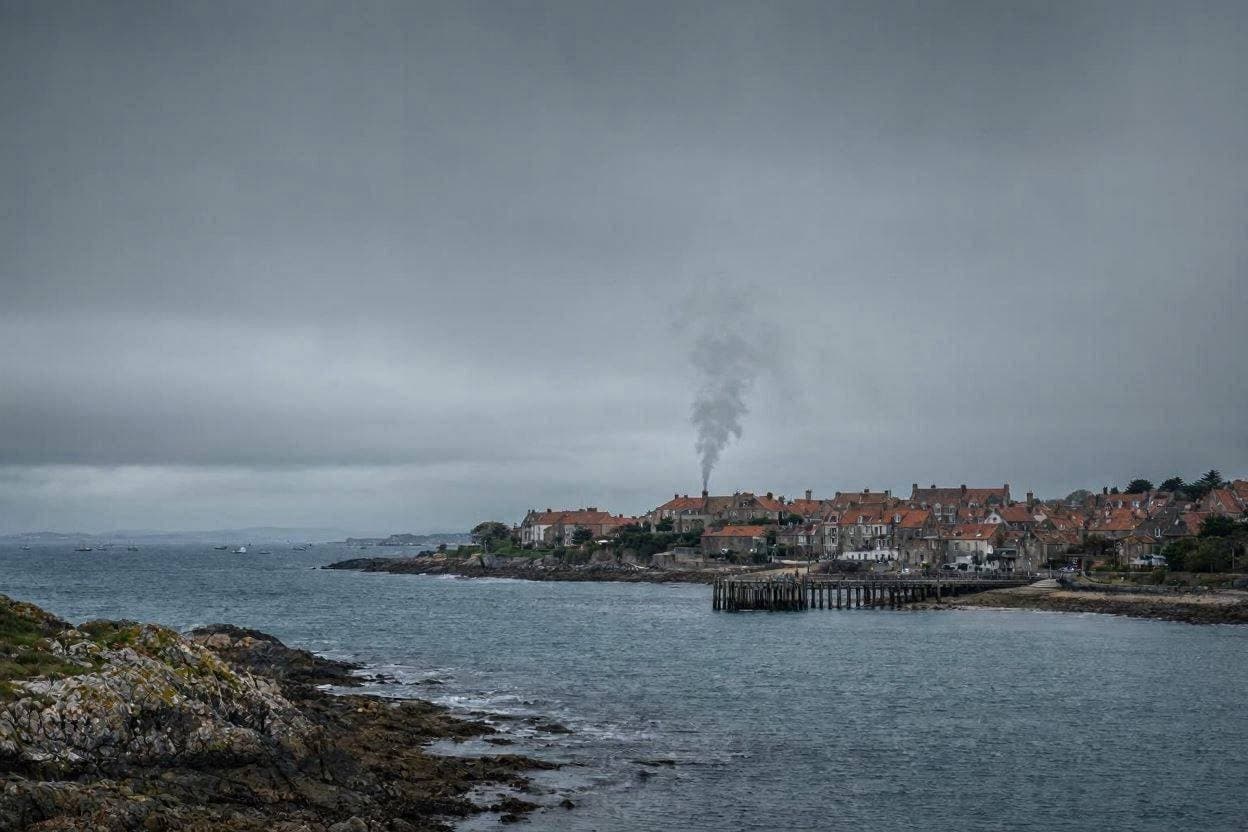
For coastal communities in Mexico, the primary impact has been limited to increased surf and rough seas. Local authorities have issued advisories for swimmers and boaters to exercise caution, but there have been no orders for evacuations or significant disruptions to daily life.
The formation of Genevieve highlights the active nature of the current hurricane season, which has seen several systems develop in both the Atlantic and Pacific basins. Scientists continue to study these patterns to better understand the factors contributing to storm intensity and frequency in a changing climate.
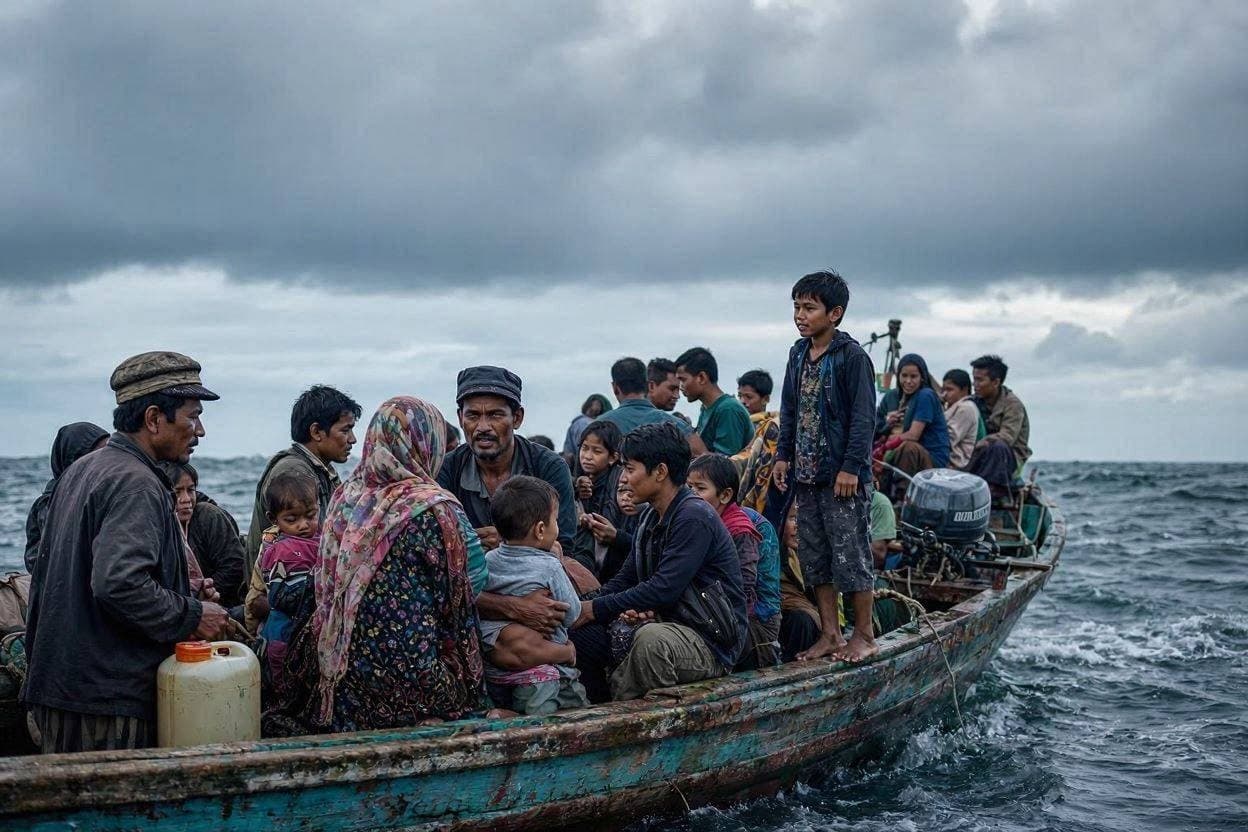
Maritime traffic in the region has adjusted routes to avoid the storm’s core, ensuring the safety of cargo ships and fishing vessels. The coordination between international weather agencies and shipping companies plays a crucial role in minimizing economic and logistical impacts.
As Genevieve moves further into the open ocean, it will eventually dissipate, leaving behind only waves and memories. Its journey, while dramatic, underscores the importance of accurate forecasting and preparedness, even when the immediate danger to populated areas is low.
For those watching from afar, the storm offers a spectacle of natural power, captured in satellite imagery that reveals the swirling beauty of the hurricane’s form. It is a testament to the earth’s ability to generate such immense energy, balanced by the precision of modern scientific observation.
Closing: Hurricane Genevieve’s passage through the Pacific serves as a gentle reminder of nature’s grandeur and the effectiveness of early warning systems. While it poses no direct threat, its presence reinforces the need for continuous vigilance and respect for the forces that shape our world.
AI Image Disclaimer: Images included in this report are AI-generated representations of the hurricane’s structure and path.
Sources: Associated Press National Hurricane Center The Hill Boston Globe
Note: This article was published on BanxChange.com and is powered by the BXE Token on the XRP Ledger. For the latest articles and news, please visit BanxChange.com