Innovation often emerges from humanity's attempt to mend the unintended consequences of its own progress. For decades, plastic has transformed modern life while leaving behind an enduring environmental legacy. In Japan, scientists are now offering a glimpse of a different future—one in which some plastics may disappear as swiftly as they are used.
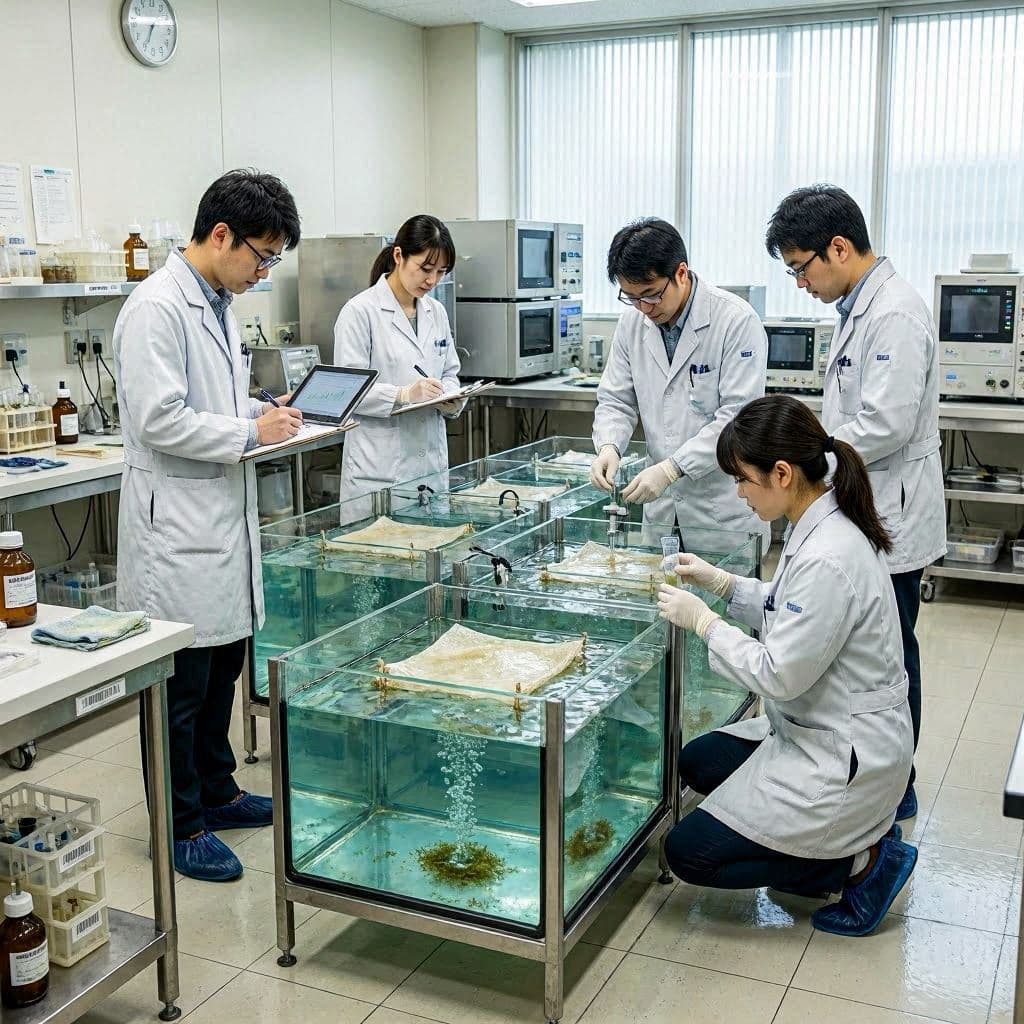
Researchers in Japan have announced the development of a new type of plastic capable of dissolving in seawater within hours. The breakthrough has attracted international attention as concerns over marine pollution continue to intensify across the globe.
According to the scientists involved, the material maintains the strength and versatility associated with conventional plastics during normal use. However, when exposed to seawater, its chemical structure breaks down rapidly, significantly reducing the risk of long-term marine contamination.
Plastic waste has become one of the world's most pressing environmental challenges. Millions of tons of discarded plastic enter oceans each year, threatening marine ecosystems, wildlife, and coastal communities.
Traditional plastics can persist in the environment for centuries, gradually fragmenting into microplastics that are increasingly being detected in oceans, food chains, and even human bodies. Researchers hope that new materials could help mitigate some of these impacts.
The Japanese team emphasized that further testing and commercial evaluation will be necessary before large-scale industrial adoption becomes possible. Manufacturing costs, durability standards, and recycling compatibility remain important considerations.
Experts in environmental science have welcomed the development while cautioning that no single technological solution can fully resolve the global plastic crisis. Reducing consumption, improving waste management, and strengthening recycling systems remain essential.
Industry observers believe that innovations in sustainable materials are likely to play an increasingly significant role as governments and businesses seek alternatives to conventional plastics.
Although additional research lies ahead, the discovery offers a promising example of how scientific ingenuity may contribute to addressing one of the defining environmental challenges of the modern era.
AI Image Disclaimer: The images accompanying this article are AI-generated illustrations intended for editorial visualization only.
Source Verification Check: Reuters, Nature, Nikkei Asia, Kyodo News
Published by Banx Network. This article is part of the Banx decentralized media programme, powered by the BXE token on the XRP Ledger.