There are moments in science when humanity quietly opens another window to the universe. The unveiling of the first deep-space images from the Vera C. Rubin Observatory represents one of those moments, offering not merely photographs, but a new way of observing the ever-changing night sky.
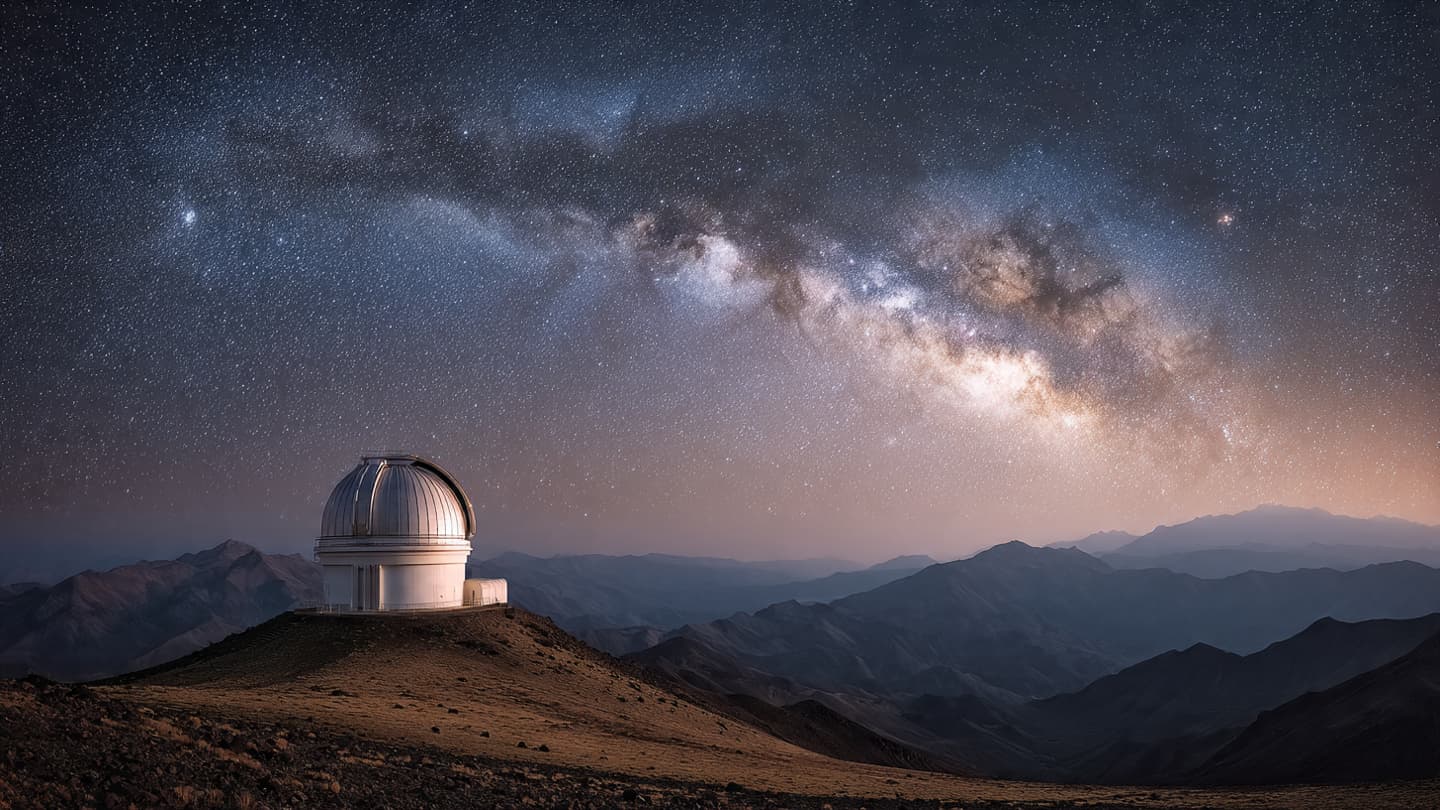
The Vera C. Rubin Observatory, located atop Cerro Pachón in Chile, has released its first deep-space images, marking a major milestone in modern astronomy. Scientists describe the achievement as the beginning of a new era in large-scale sky surveys.
The observatory is designed to conduct the Legacy Survey of Space and Time, or LSST, an ambitious decade-long project that will repeatedly scan the southern sky. Using one of the world's most powerful digital cameras, the facility is expected to generate an unprecedented volume of astronomical data.
The newly released images showcase vast regions of the cosmos, revealing galaxies, nebulae, and countless distant celestial objects in remarkable detail. Researchers say the observatory's sensitivity and wide field of view will allow scientists to study both static and rapidly changing events in the universe.
Unlike traditional observatories that often focus on specific targets, Rubin Observatory will repeatedly photograph the same portions of the sky. This approach will enable astronomers to detect transient phenomena such as supernovae, asteroid movements, and variable stars with greater efficiency.
Scientists anticipate that the observatory will also contribute significantly to research on dark matter and dark energy, two of the most profound mysteries in contemporary physics. By mapping billions of galaxies, researchers hope to gain deeper insight into the structure and evolution of the universe.
The observatory's advanced data-processing systems are expected to issue millions of alerts each night, notifying astronomers worldwide of newly observed events. This rapid dissemination of information could transform collaborative astronomy on a global scale.
International research institutions have spent years preparing for the influx of data. Many scientists believe discoveries emerging from Rubin Observatory will extend far beyond current expectations, potentially reshaping several fields of astrophysics.
As the first images begin to circulate among scientists and the public alike, the observatory stands as a reminder that even in an age of advanced technology, the night sky continues to hold countless unanswered questions.
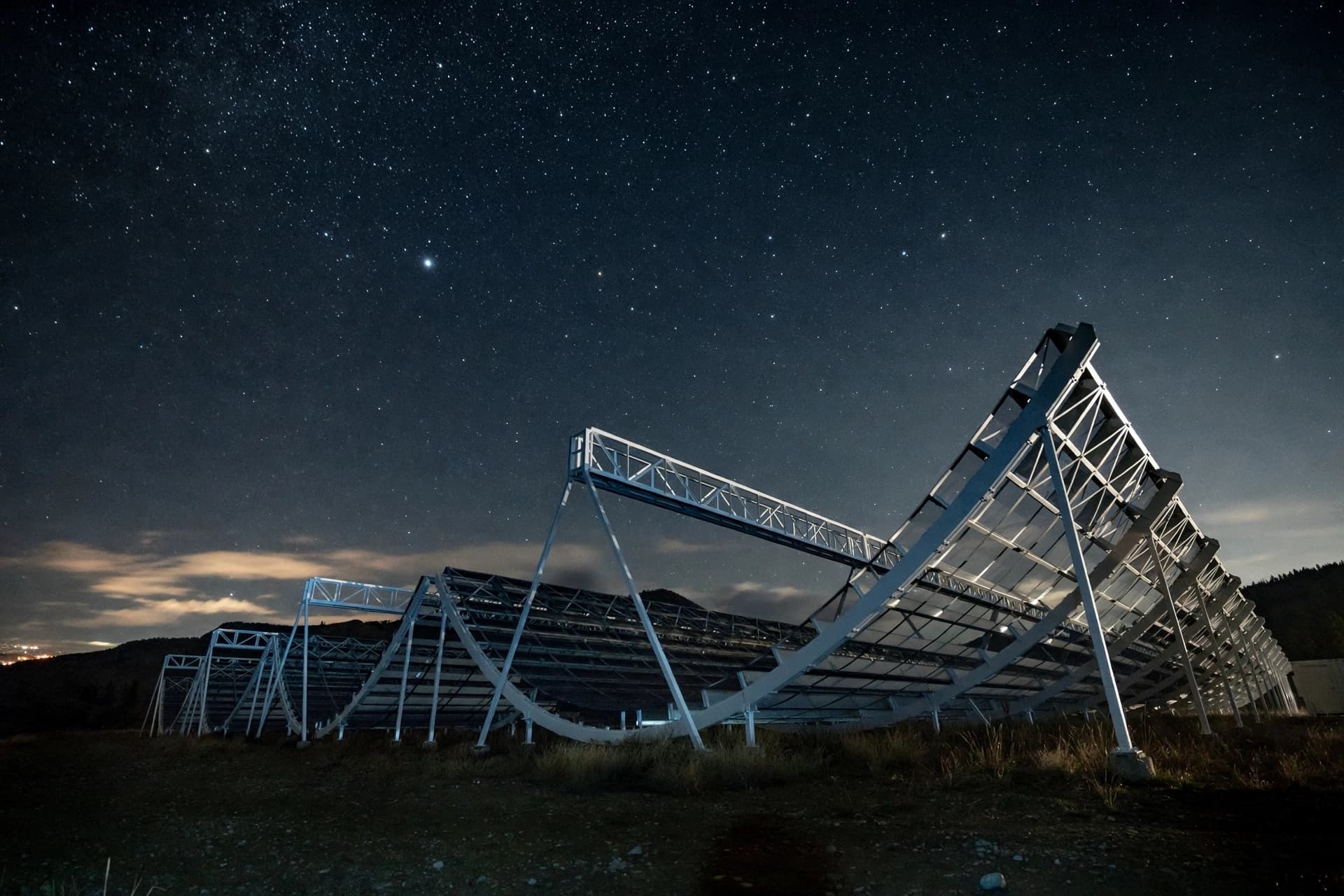
AI Image Disclaimer: The illustrations accompanying this article are AI-generated and intended solely for visual representation.
Sources Verified: Vera C. Rubin Observatory, National Science Foundation, Reuters, Associated Press
Published by Banx Network. This article is part of the Banx decentralized media programme, powered by the BXE token on the XRP Ledger.