The night sky often appears calm and familiar, a canvas of stars that seems unchanged from one evening to the next. Yet beyond that quiet appearance lies a solar system filled with countless moving objects, many of which remain unseen. Like pages in an unfinished book, these hidden worlds continue to wait for discovery.
Astronomers estimate that millions of objects within our solar system have yet to be observed. These include asteroids, distant icy bodies, and other small objects that orbit the Sun far from Earth's everyday view. Their existence is known through scientific models and indirect evidence, but many have never been directly detected.
A major step toward changing that picture is approaching. The NSF–DOE Vera C. Rubin Observatory in northern Chile is preparing for the start of its ambitious decade-long survey, designed to repeatedly scan large portions of the sky and create an unprecedented record of the cosmos.
The observatory represents years of planning, engineering, and international collaboration. Equipped with an enormous mirror and one of the most powerful astronomical cameras ever constructed, the facility is expected to collect vast amounts of data that will transform understanding of both the solar system and the broader universe.
Among its most important goals is the detection and tracking of previously unknown solar system objects. Scientists expect the survey to reveal countless asteroids and other bodies that have escaped observation because of their small size, faint appearance, or distant locations.
The project's repeated observations will allow researchers to monitor movement across the sky over time. This approach makes it possible to identify objects that might otherwise blend into the background of space, creating a dynamic map rather than a single snapshot.
Beyond expanding scientific catalogs, these discoveries may provide clues about how the solar system formed and evolved. Small bodies often preserve ancient material from the earliest stages of planetary development, offering valuable records of events that occurred billions of years ago.
The observatory may also help identify rare visitors from beyond the solar system. Improved sensitivity and sky coverage could increase the chances of detecting interstellar objects passing through our cosmic neighborhood, adding another dimension to astronomical research.
As preparations continue and the survey draws closer, astronomers anticipate a period of discovery unlike any before it. The coming decade may reveal that the familiar solar system is far richer, more crowded, and more dynamic than previously imagined.
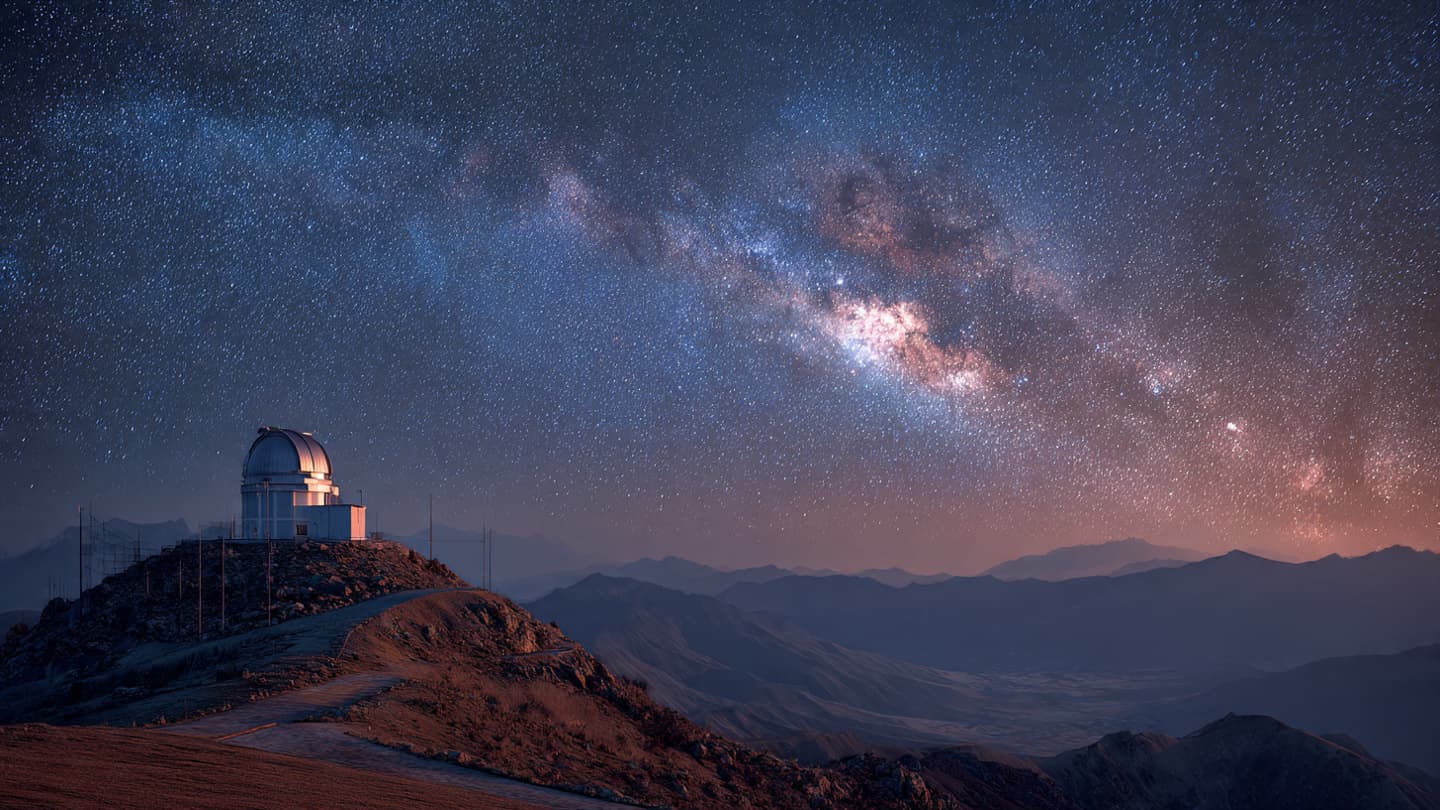
AI Image Disclaimer: This article includes an AI-generated illustration created to visually represent the scientific subject discussed.
Sources (Verified):
Space Daily NSF–DOE Vera C. Rubin Observatory updates
Published by Banx Network. This article is part of the Banx decentralized media programme, powered by the BXE token on the XRP Ledger.