The journey of a spacecraft often begins long before it reaches the stars. Piece by piece, year by year, engineers, scientists, and technicians weave together a mission much like artisans assembling a great ship before its maiden voyage. This week, that quiet preparation reached a significant milestone as NASA's Nancy Grace Roman Space Telescope arrived in Florida, bringing humanity one step closer to another chapter of cosmic exploration.
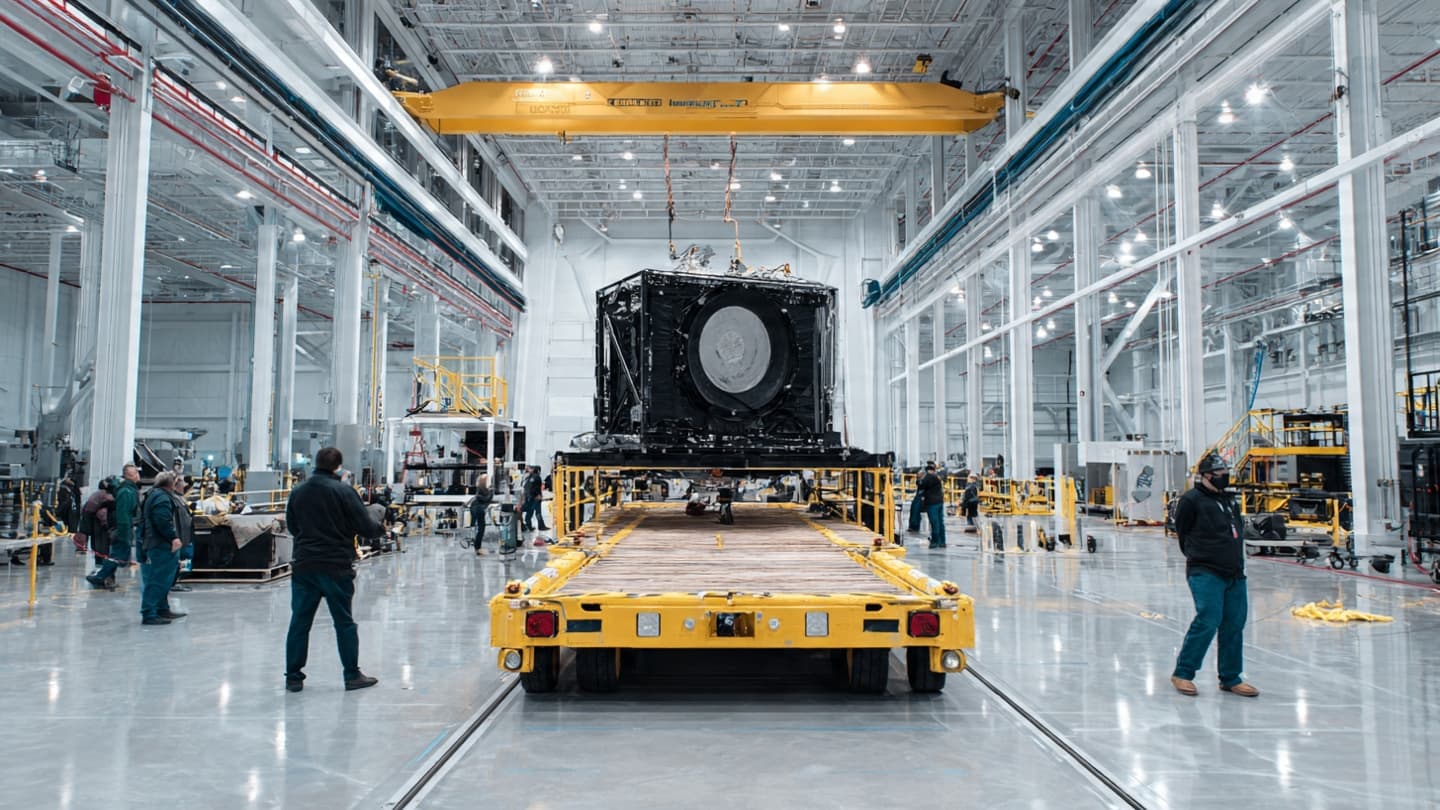
The observatory, named after pioneering astronomer Nancy Grace Roman, recently arrived at NASA's Kennedy Space Center in Florida, where final preparations for launch will take place. The telescope is expected to launch no earlier than 2027 aboard a SpaceX Falcon Heavy rocket.
Often described as a successor to the Hubble and James Webb space telescopes in certain areas of research, the Roman Space Telescope is designed to survey vast regions of the universe with remarkable speed and precision. Its field of view is approximately 100 times larger than Hubble's infrared instruments.
Scientists anticipate that Roman will help answer some of astronomy's most enduring questions. Among its primary objectives are investigating dark energy, studying the evolution of galaxies, and conducting a census of distant exoplanets through gravitational microlensing.
The spacecraft's arrival in Florida marks the beginning of extensive testing and integration activities. Engineers will verify that all systems remain in optimal condition after transportation and prepare the observatory for launch operations.
The mission also honors the legacy of Nancy Grace Roman, often called the "Mother of Hubble." Her leadership at NASA during the agency's early years helped establish many of the foundations for modern space astronomy.
Researchers around the world are eagerly awaiting the telescope's scientific observations. The mission is expected to produce enormous datasets that could shape astronomical research for decades.
As final preparations continue, NASA officials emphasize that rigorous testing remains essential to ensure mission success and long-term performance in space.
With the telescope now in Florida, the mission has entered one of its final terrestrial stages before beginning its journey into the vastness beyond Earth.
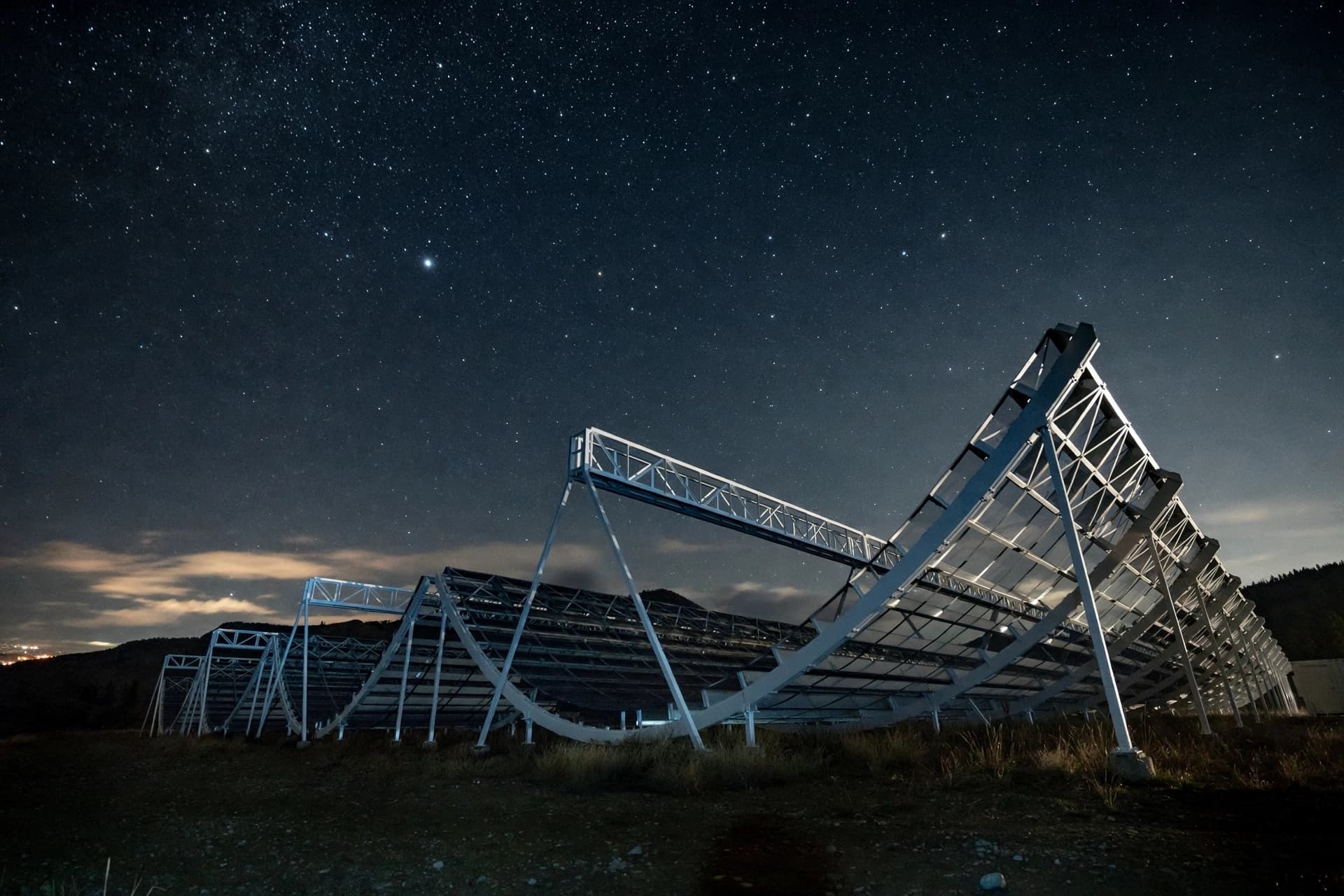
AI Image Disclaimer: The illustrations accompanying this report were created using AI technology for visual representation only.
Source Verification Check: NASA, SpaceNews, Space.com, Reuters
Published by Banx Network. This article is part of the Banx decentralized media programme, powered by the BXE token on the XRP Ledger.