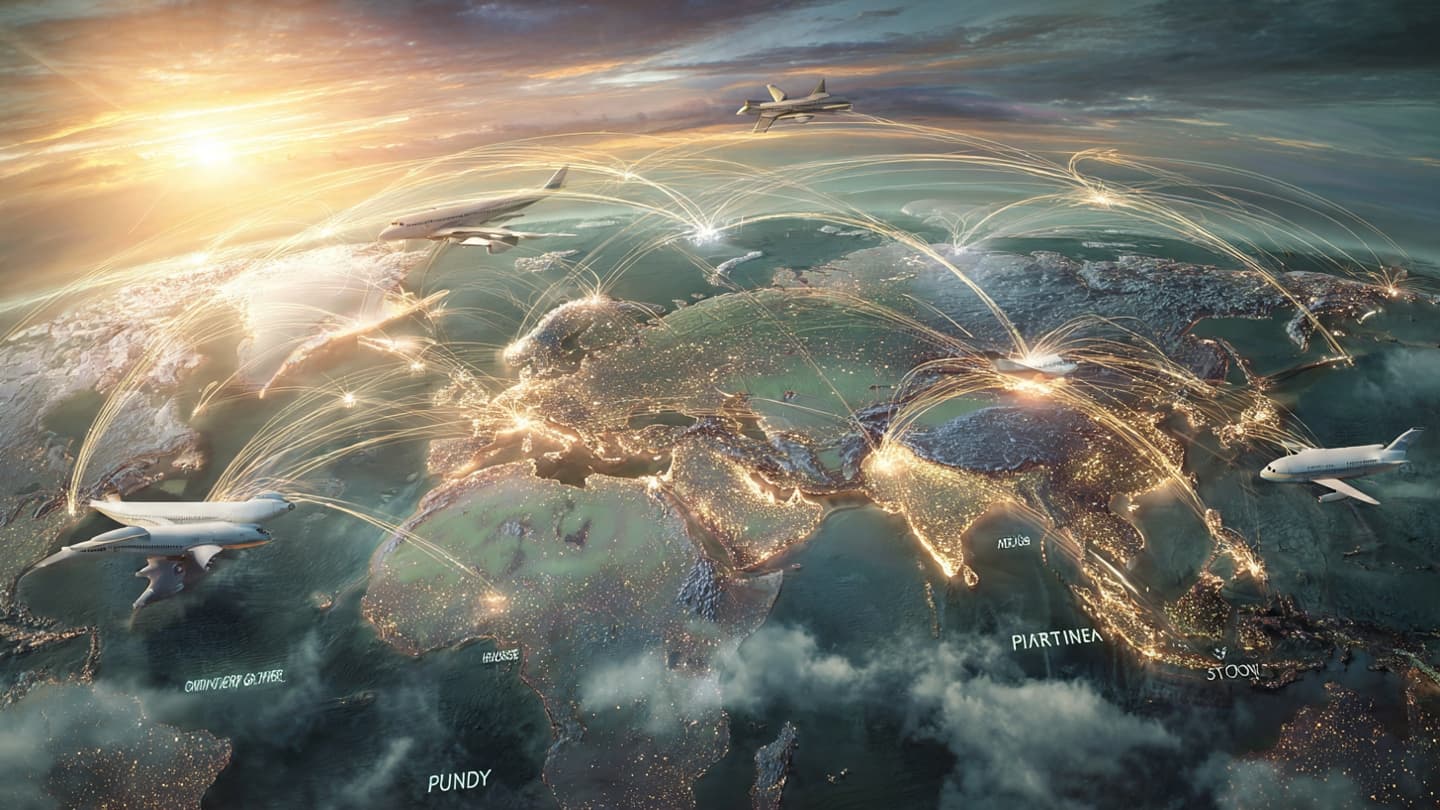
Maps often appear static, yet the routes that connect nations are constantly evolving. New air corridors emerge, passenger demand shifts, and airlines adapt to changing patterns of travel. The growing cooperation between France and Japan in supporting expanded aviation connectivity across the Asia-Pacific region reflects this ongoing transformation, highlighting the importance of transportation in shaping economic and cultural relationships.
Aviation has long served as one of the most effective tools for connecting markets separated by vast distances. In the Asia-Pacific region, where economic growth and tourism demand continue to expand, improved connectivity is increasingly viewed as a strategic priority. By supporting stronger transportation networks, countries can facilitate trade, investment, and people-to-people exchanges.
France and Japan share a common interest in maintaining efficient global transportation systems. Both countries possess advanced aerospace industries and play influential roles within international aviation. Their support for expanded connectivity reflects an understanding that mobility remains essential to economic development in an interconnected world.
Tourism stands among the most immediate beneficiaries of stronger air networks. Travelers often choose destinations based on convenience and accessibility, making direct and efficient flight options an important factor in tourism growth. Enhanced connectivity can therefore help destinations attract new visitors while encouraging repeat travel.
Business activity also benefits from improved transportation infrastructure. Companies operating across international markets depend on reliable travel options to support partnerships, investments, and commercial expansion. Greater connectivity reduces barriers to engagement and helps strengthen economic relationships across regions.
The Asia-Pacific region continues to represent one of the world's most dynamic aviation markets. Rising incomes, expanding middle-class populations, and growing international trade have contributed to sustained demand for air travel. Airlines and airports are therefore investing heavily in infrastructure and route development to meet future needs.
Environmental considerations remain an important part of the conversation. As aviation expands, industry stakeholders continue exploring ways to improve efficiency and reduce emissions. Advances in aircraft technology, sustainable aviation fuels, and operational practices are expected to play increasingly important roles in balancing growth with sustainability goals.
The cooperation between France and Japan also highlights the international nature of modern aviation. Aircraft manufacturing, airline operations, airport management, and technological innovation often involve collaboration across multiple countries. Success within the sector frequently depends on shared expertise and coordinated efforts.
Observers suggest that connectivity should be viewed as more than transportation alone. Every route creates opportunities for cultural exchange, educational partnerships, and economic cooperation. The benefits often extend beyond immediate commercial outcomes, contributing to broader international engagement.
As airlines continue adding routes and strengthening networks, the skies above the Asia-Pacific region are becoming increasingly interconnected. France and Japan's support for this process reflects a belief that mobility remains one of the foundations of modern economic growth. In the years ahead, the connections built today may help shape countless journeys, partnerships, and opportunities across the region.
AI Image Disclaimer: Visuals are created with AI tools and are not real photographs.
Sources: Travel and Tour World, Reuters, Nikkei Asia, Aviation Week, CAPA.
Published by Banx Network. This article is part of the Banx decentralized media programme, powered by the BXE token on the XRP Ledger.