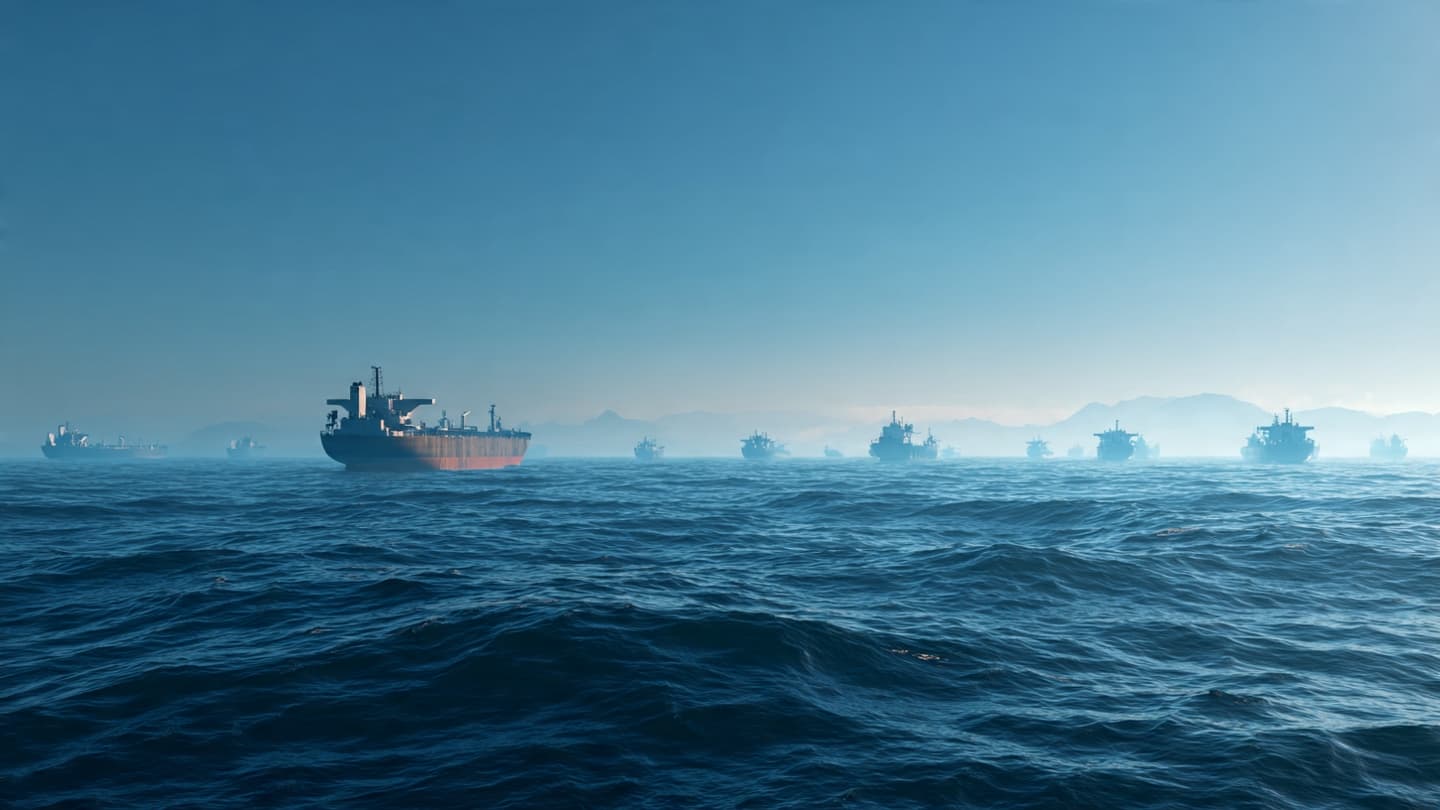
Trade routes often resemble the arteries of the global economy, quietly sustaining industries and households far beyond the horizons where ships travel. Among these maritime corridors, the Strait of Hormuz continues to command particular attention as markets monitor the possibility of disruptions to energy shipments.
The narrow waterway, located between the Persian Gulf and the Gulf of Oman, remains one of the world's most strategically important shipping lanes. A significant portion of global oil and liquefied natural gas exports passes through the strait each day, making stability in the area critical for international commerce.
Recent geopolitical tensions in the Middle East have prompted energy traders, shipping companies, and governments to closely assess potential risks. Although commercial traffic has largely continued, uncertainty has contributed to market volatility.
Oil prices have experienced periodic fluctuations as investors react to developments in the region. Analysts note that even the perception of risk in the Strait of Hormuz can influence commodity markets, insurance costs, and shipping operations worldwide.
Energy-importing nations, particularly across Asia and Europe, have also intensified efforts to diversify supply chains and strengthen strategic reserves. Such measures are intended to reduce vulnerability to possible disruptions.
Shipping firms have reportedly reviewed navigation procedures and contingency plans to ensure the continued movement of cargo. Maritime security agencies have likewise increased monitoring activities in surrounding waters.
Economists emphasize that modern energy markets are interconnected. Any prolonged interruption in one major transit route can produce ripple effects across manufacturing, transportation, and consumer prices globally.
At the same time, industry experts caution against overestimating short-term disruptions. Global markets have developed mechanisms, including strategic stockpiles and alternative supply networks, to cushion temporary shocks.
For now, commercial activity through the Strait of Hormuz continues, but market participants remain attentive as geopolitical developments evolve across the region.
AI Image Disclaimer: Certain images used alongside this report are AI-generated visual interpretations intended for illustrative purposes.
Source Verification Check: Reuters, Bloomberg, CNBC, Financial Times, Associated Press
Published by Banx Network. This article is part of the Banx decentralized media programme, powered by the BXE token on the XRP Ledger.