For centuries, narrow waterways have carried more than ships and oil tankers. They have carried leverage, uncertainty, and the quiet understanding that geography itself can shape the balance of power. In the Persian Gulf, the Strait of Hormuz has once again become more than a trade corridor; it has become a reminder of how fragile the global economy can appear during moments of escalating conflict.
As tensions involving Iran, the United States, and Israel intensified, analysts increasingly pointed to the Strait of Hormuz as one of Tehran’s most powerful strategic tools. The narrow maritime passage handles a significant share of the world’s oil shipments, making any disruption there capable of sending immediate shockwaves through global energy markets.
Iran has long viewed the strait as both an economic lifeline and a deterrent against military pressure. In periods of confrontation, Iranian officials have repeatedly signaled their ability to influence shipping traffic through the region, positioning Hormuz as a form of strategic insurance against direct attacks.
Recent instability linked to the U.S.-Israeli conflict with Iran has already affected global fuel markets. Concerns over maritime security and the reduced flow of commercial shipping have contributed to rising oil prices and growing anxiety among countries dependent on Gulf energy supplies.
Observers noted that Tehran’s influence over the strait does not necessarily require a full blockade to create international concern. Even limited disruptions, military exercises, or perceived threats can increase shipping costs, disrupt supply chains, and place pressure on governments worldwide.
For Gulf nations neighboring Iran, the situation has reinforced longstanding fears about regional instability affecting economic development. Many states in the region have invested heavily in tourism, infrastructure, and international finance, all of which depend on maintaining predictable trade routes and investor confidence.
Western governments continue monitoring the waterway closely, recognizing its importance to global energy security. Naval patrols and diplomatic coordination involving international allies have increased during periods of heightened tension in the region.
At the same time, analysts caution that the strategic value of Hormuz also reflects the interconnected nature of the global economy itself. A conflict concentrated in one region can rapidly influence inflation, transportation, and consumer prices across distant countries.
International efforts to reduce tensions continue alongside military preparedness, as governments seek to prevent further disruption in one of the world’s most economically significant maritime corridors.
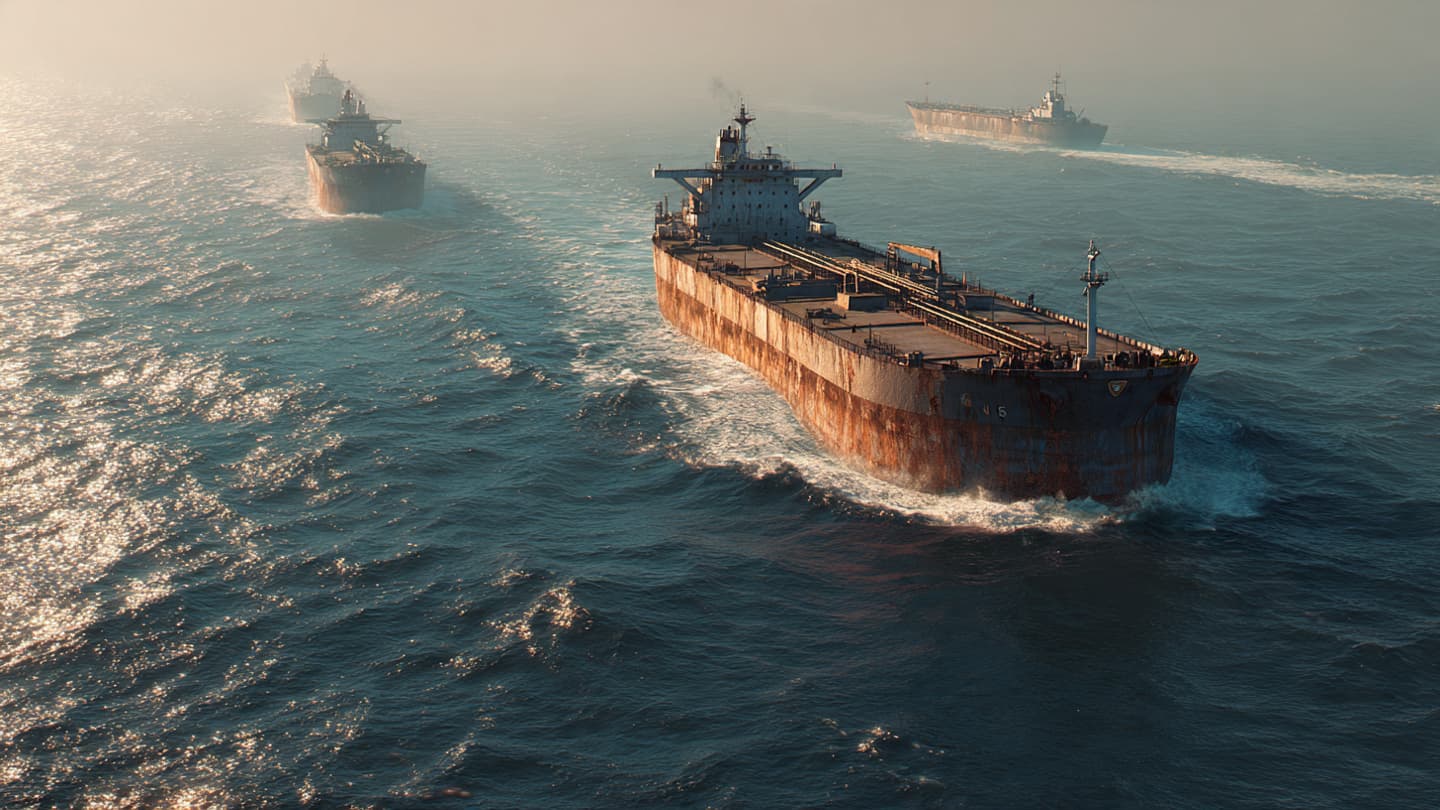
AI-generated image disclaimer: Some accompanying visuals may include AI-generated representations illustrating maritime trade routes and regional tensions.
Sources: Reuters, Associated Press, Financial Times, Al Jazeera, BBC News
Published by Banx Network. This article is part of the Banx decentralized media programme, powered by the BXE token on the XRP Ledger.