
Key Highlights
- Shipping routes through the Strait of Hormuz are normalizing after disruptions.
- Oil markets are stabilizing as supply fears ease.
- Maritime insurers are reassessing risk premiums amid improved confidence.
The Strait of Hormuz, a crucial maritime corridor, has long been a silent yet vital artery for global trade. Spanning just 33 kilometers at its narrowest point, this passage is responsible for a significant portion of the world's oil supply. Recent developments indicate a gradual return to normalcy for shipping operations in this region, which has been under scrutiny due to geopolitical tensions.
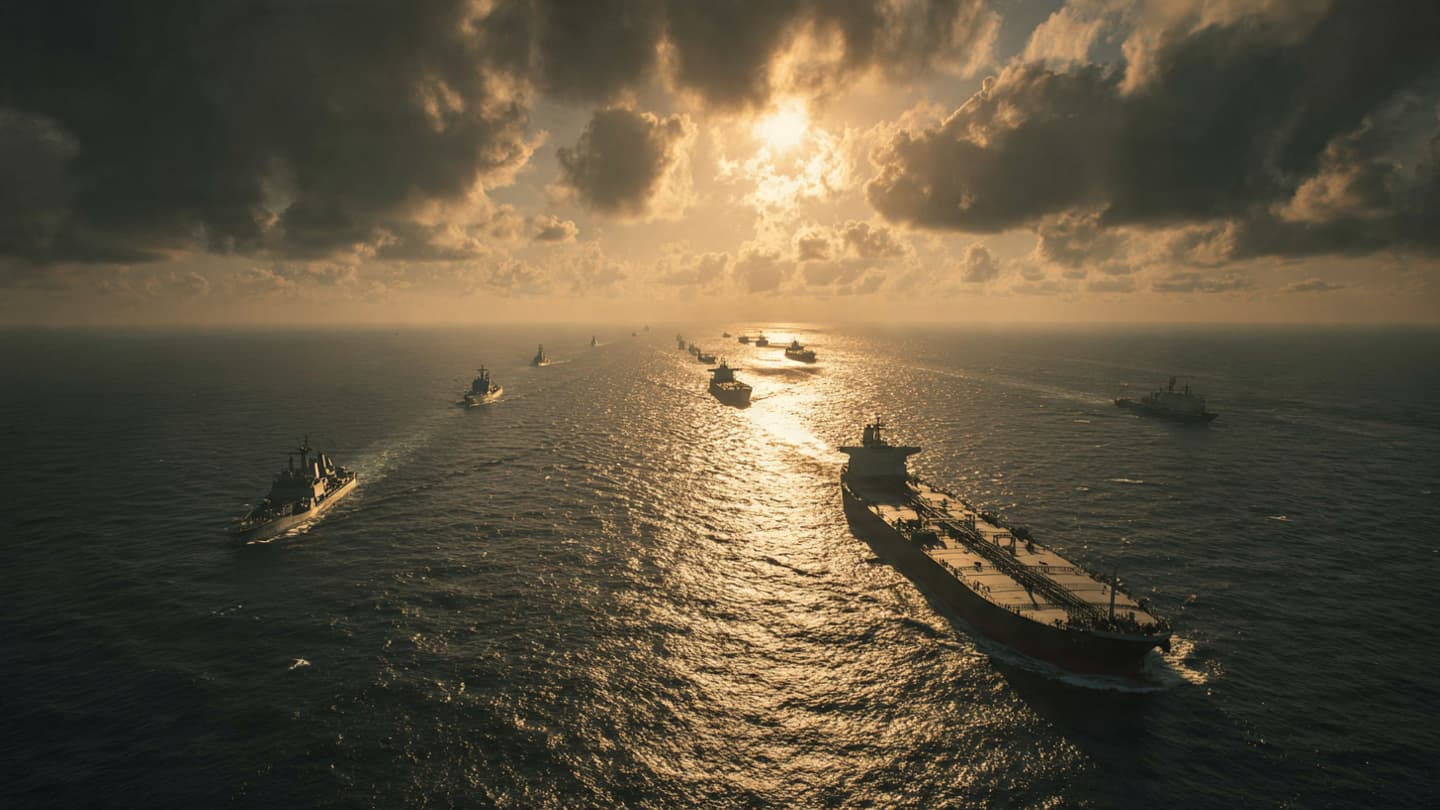
In the past few weeks, shipping operators have reported an increase in tanker movements, signaling a slow but steady normalization of routes. This change is not abrupt; rather, it resembles the gradual return of tidewater to its natural course after a disturbance. The resumption of commercial vessels through the Strait of Hormuz is a positive sign for global logistics, which has faced numerous challenges in recent years.
Energy traders are responding with cautious optimism as oil markets begin to stabilize. The fluctuations in oil prices, often driven by geopolitical uncertainties, have started to settle as fears of supply disruptions ease. This psychological shift is crucial for traders who rely on predictability in the market. The perception of safety in maritime routes is essential for maintaining the flow of oil and other goods.
Maritime insurers, who typically react swiftly to geopolitical tensions, are also reassessing their risk premiums. While there remains a level of caution, early indicators suggest a growing confidence in the safety of shipping routes. This reassessment is vital for shipping companies that need to manage costs effectively while ensuring the safety of their vessels and crews.
For global logistics firms, the trend of reopening shipping routes through the Strait of Hormuz offers much-needed relief. Supply chains, already strained by previous disruptions, depend heavily on the reliability of maritime transport. The gradual normalization of shipping operations is a welcome development for businesses that rely on timely deliveries and stable supply chains.
However, experts caution that this is not a complete return to normalcy. The situation remains fluid, and monitoring systems are still in place to ensure the safety of maritime operations. Shipping companies are operating with heightened awareness, recognizing that while the sea remains unchanged, the perception of safety is slowly being rebuilt.
Every vessel that successfully navigates the Strait of Hormuz adds another layer of confidence to the global economic system. As the world watches, the importance of this narrow passage continues to resonate, reminding us of the intricate connections that underpin global commerce.
Published by Banx Network. This article is part of the Banx decentralized media programme, powered by the BXE token on the XRP Ledger.



