
In many parts of the world, peace often resembles a delicate bridge suspended above a restless river. It stands firm through ordinary days, yet every tremor beneath its foundations reminds observers how fragile stability can be. The latest developments between Israel and Iran have once again drawn global attention to a region where history, security, and diplomacy frequently intersect.
Recent reports indicate that tensions between Israel and Iran have entered a more serious phase following exchanges of military actions and escalating rhetoric. Governments across the Middle East and beyond are closely monitoring the situation as concerns grow over the possibility of wider regional consequences.
The confrontation did not emerge in isolation. For years, both countries have viewed one another through the lens of strategic rivalry, with disagreements spanning security concerns, regional influence, and alliances throughout the Middle East. Periodic flare-ups have occurred before, but each new escalation carries its own risks and uncertainties.
International leaders have responded with calls for restraint. Diplomatic channels remain active as major powers seek to prevent further deterioration. While military developments often dominate headlines, much of the global effort is focused on avoiding a broader conflict that could affect neighboring nations.
Economic implications are also receiving attention. Energy markets have reacted cautiously as investors evaluate potential disruptions in a region that remains central to global oil supplies. Even limited instability can influence market sentiment, transportation costs, and broader economic expectations.
For communities living closer to the affected areas, the situation extends beyond geopolitical calculations. Families, businesses, and local institutions often face uncertainty whenever regional tensions rise. Daily life can become shaped by concerns that reach far beyond official statements and military assessments.
Analysts note that the coming weeks may prove significant. Diplomatic initiatives, international mediation efforts, and decisions made by political leaders could influence whether the current tensions ease or intensify. The balance between deterrence and dialogue remains a central consideration.
Observers are also paying attention to the role of international organizations, which continue encouraging peaceful engagement. While disagreements between nations can be complex and deeply rooted, diplomatic mechanisms remain among the most important tools available for reducing risk and maintaining stability.
For now, governments and international institutions continue monitoring developments closely. The evolving relationship between Israel and Iran remains one of the most consequential issues in global affairs, with implications extending well beyond the immediate region.
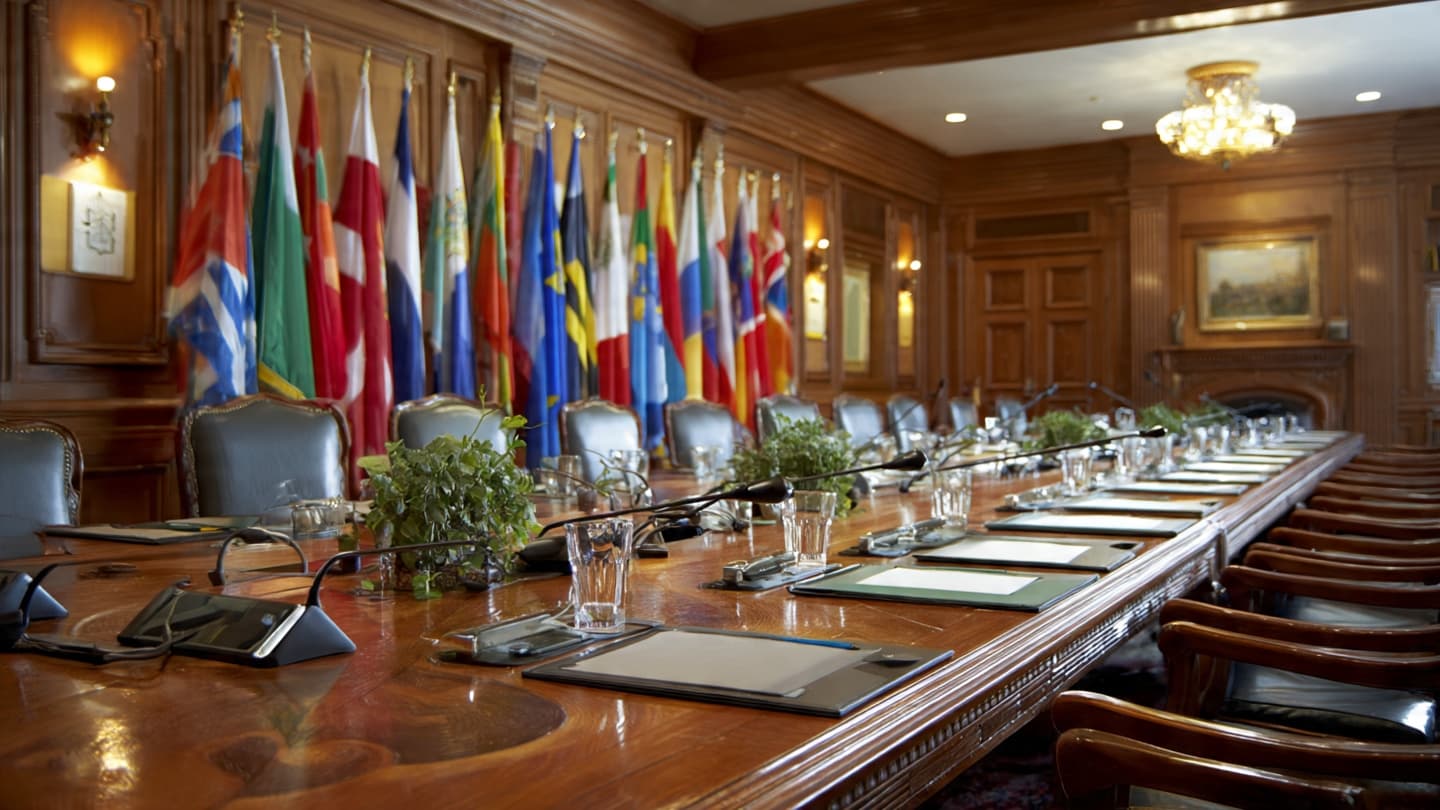
AI Image Disclaimer: The accompanying illustration was created using artificial intelligence and is intended solely as a visual representation of the reported topic.
Sources Verification Check Reuters Associated Press (AP) BBC News Al Jazeera The Guardian
Note: This article was published on BanxChange.com and is powered by the BXE Token on the XRP Ledger. For the latest articles and news, please visit BanxChange.com