Innovation often begins with a simple question: can a familiar problem be approached differently? Along coastlines around the world, plastic pollution has become one of the defining environmental challenges of modern times. Against this backdrop, a team of Japanese scientists has introduced a new material designed to dissolve in seawater within hours, offering a potentially significant step forward in the search for sustainable alternatives.
Body:
Researchers announced the development after years of work focused on reducing the environmental impact of plastic waste. Unlike conventional plastics that can persist for decades or even centuries, the new material is engineered to break down rapidly when exposed to seawater.
The innovation arrives at a time when governments, industries, and environmental organizations are seeking solutions to growing concerns about marine pollution. Millions of tons of plastic enter oceans each year, affecting ecosystems and wildlife across the globe.
According to the research team, the material maintains practical durability during normal use while retaining the ability to dissolve under specific environmental conditions. This balance is considered one of the key achievements of the project.
Scientists involved in the development emphasized that the material leaves behind substances that are significantly less harmful to marine environments than traditional plastics. Further studies are expected to evaluate long-term environmental impacts and potential commercial applications.
Environmental experts have welcomed the announcement while noting that no single innovation can solve the plastic pollution challenge alone. Effective waste management, recycling systems, and responsible consumption remain important components of broader solutions.
Industry observers suggest that biodegradable and environmentally responsive materials may play a larger role in future manufacturing. Advances in materials science continue to influence packaging, consumer goods, and industrial production.
The development also reflects the growing role of scientific research in addressing environmental concerns. Universities, laboratories, and private companies around the world are increasingly investing in sustainable technologies aimed at reducing ecological harm.
Closing:
While additional testing and commercialization efforts remain ahead, the breakthrough represents a promising example of how science can contribute to environmental protection. The research offers a glimpse into a future where everyday materials may interact more responsibly with the natural world.
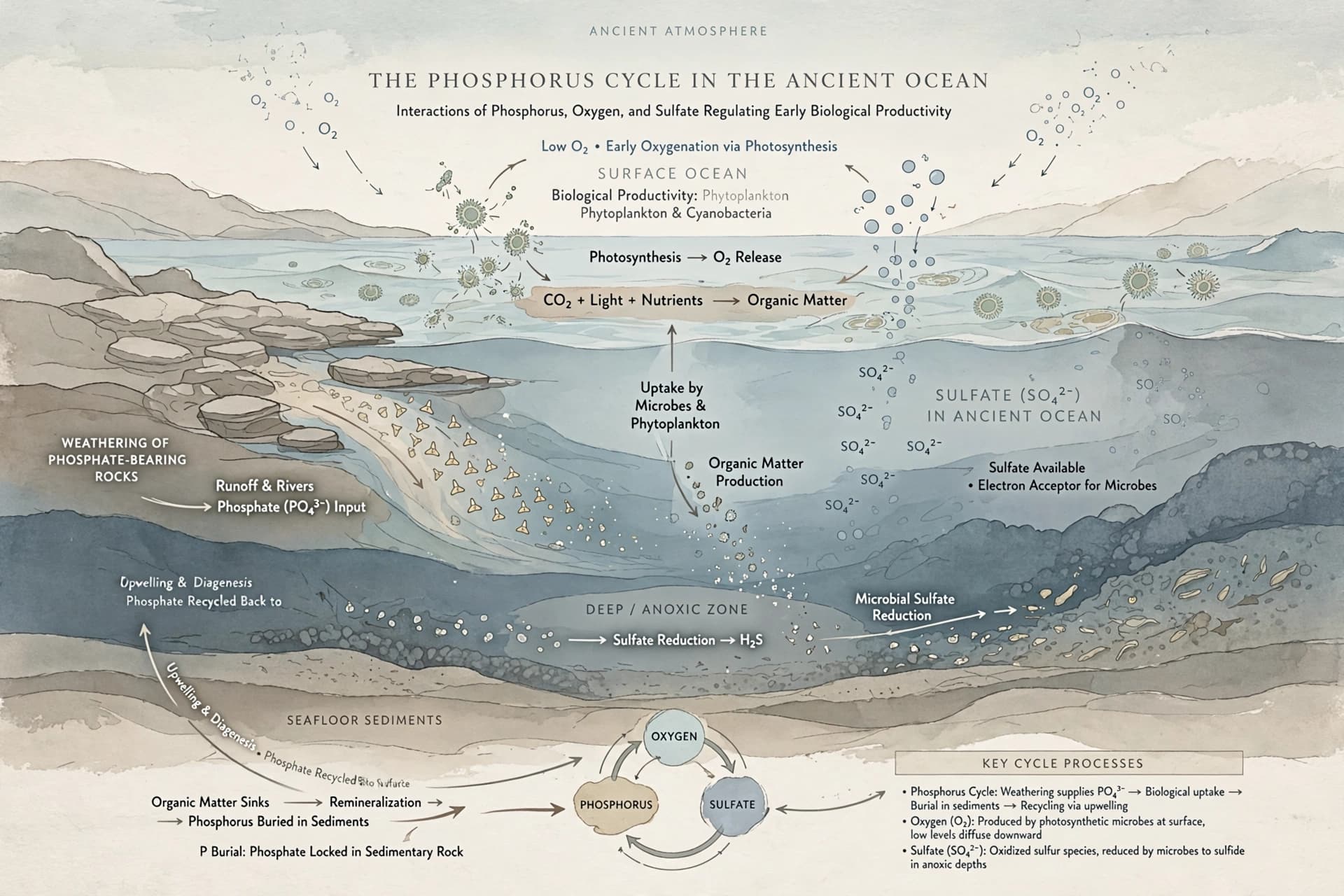
AI Image Disclaimer: This article contains an AI-generated illustration designed to visually represent the scientific topic discussed.
Sources Verified: Reuters, Nature, Science Magazine, Nikkei Asia, The Japan Times
Published by Banx Network. This article is part of the Banx decentralized media programme, powered by the BXE token on the XRP Ledger.