
Major criminal organizations often cast long shadows across national borders, extending their influence through networks that can be difficult to dismantle. From time to time, governments pursue high-profile operations aimed at disrupting those structures, hoping to weaken groups accused of violence, trafficking, and organized crime. This week, such an operation became the focus of international attention following an announcement from the White House.
President Donald Trump stated that a U.S. military strike killed Héctor Rusthenford Guerrero Flores, widely known as “Niño Guerrero,” the alleged leader of Venezuela-based criminal organization Tren de Aragua. According to the administration, the operation was carried out in coordination with Venezuelan authorities.
Trump described the action as a targeted military operation conducted by U.S. Southern Command. Officials said the strike was intended to remove a figure long associated with the expansion of the gang across several countries in Latin America.
Tren de Aragua originated in Venezuela and has become one of the region’s most widely discussed transnational criminal groups. Authorities in multiple countries have linked the organization to crimes including extortion, human trafficking, migrant smuggling, and drug-related offenses.
According to U.S. officials, Guerrero Flores had been charged in federal court on allegations including racketeering and support for terrorist activities. American authorities had also sought his capture for several years.
The reported operation reflects a notable level of cooperation between Washington and Venezuelan authorities. Observers have pointed to recent developments in bilateral relations as creating conditions for greater collaboration on security matters.
Security analysts caution that the removal of a criminal leader does not necessarily eliminate an organization. In some cases, criminal groups fragment into smaller factions, while in others they reorganize under new leadership.
Nevertheless, governments often view such operations as significant disruptions to established criminal networks. Supporters argue that targeting leadership structures can reduce operational capacity and weaken influence over time.
Officials have indicated that efforts against transnational criminal organizations will continue, while authorities assess the longer-term impact of the operation on Tren de Aragua’s activities across the region.
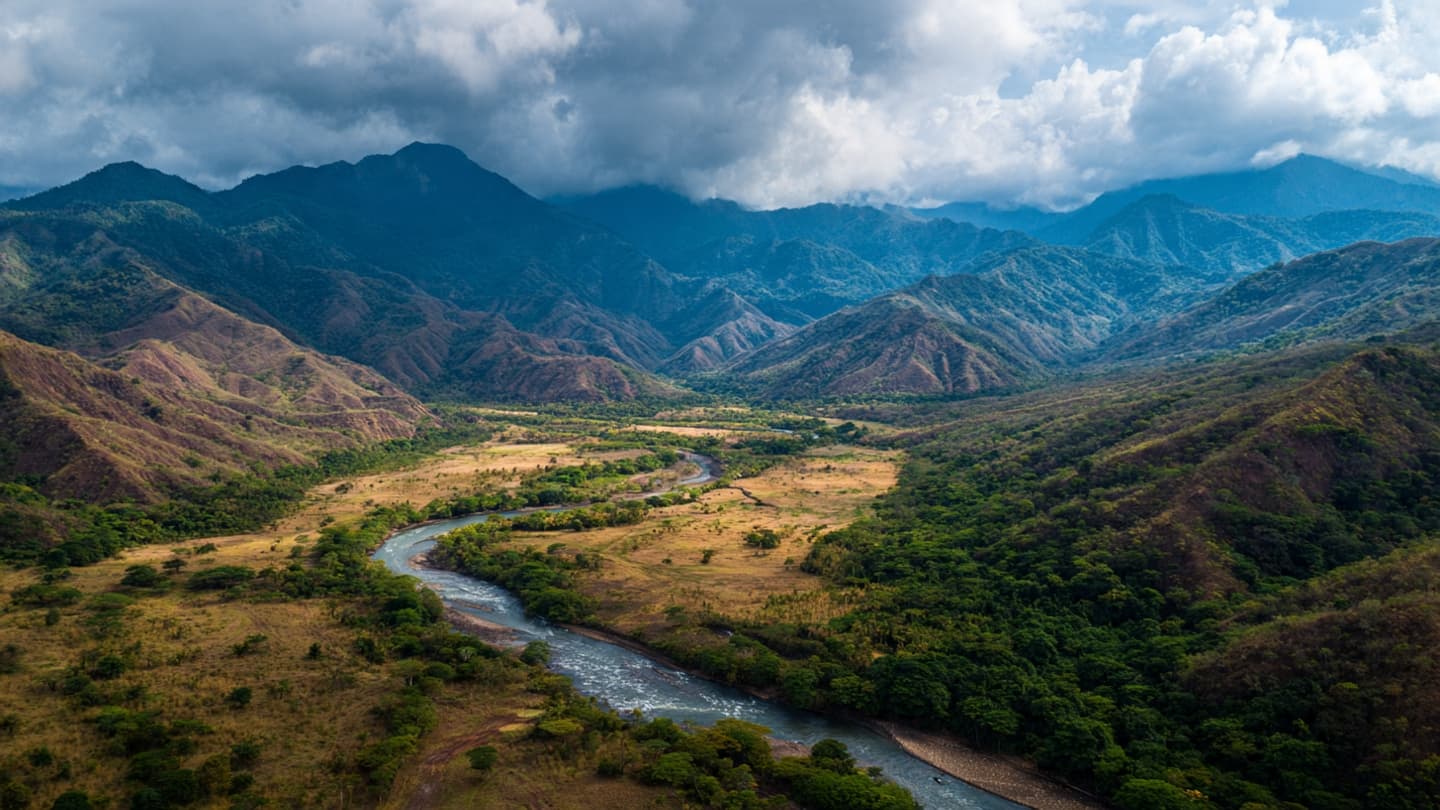
AI Image Disclaimer: The images accompanying this article are AI-generated illustrations created for visual context and do not depict actual operational footage.
Sources: Reuters, Associated Press, CBS News, Los Angeles Times, The Washington Post
Note: This article was published on BanxChange.com and is powered by the BXE Token on the XRP Ledger. For the latest articles and news, please visit BanxChange.com