
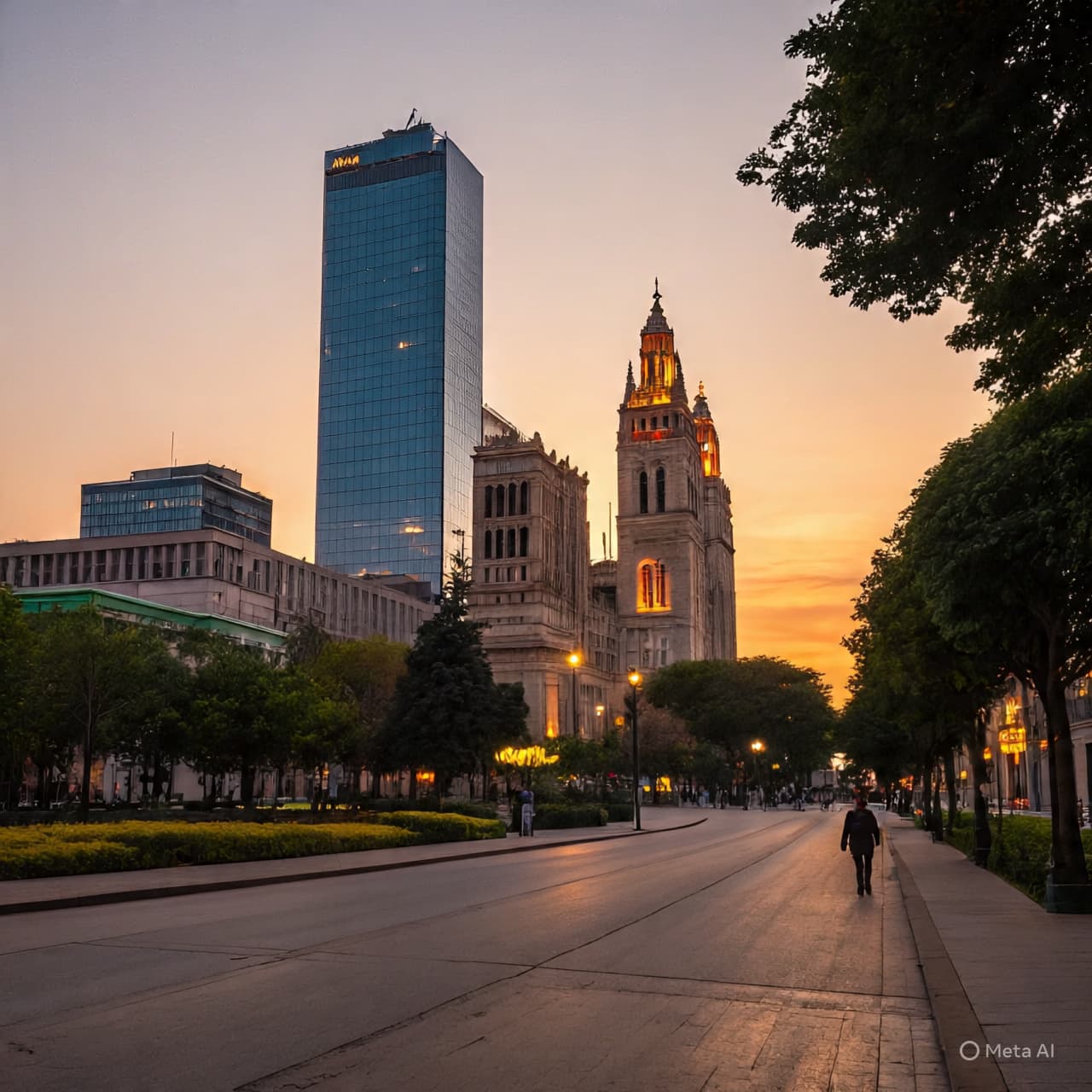
The evening air in western Mexico has a way of holding its breath. In Guadalajara, the light settles slowly against cathedral spires and glass towers, as if reluctant to leave. In small towns beyond the highways, dogs bark into the dark with a little more urgency, and doors close a little earlier. The news, when it arrived, did not come like thunder. It moved instead like a rumor through corridors and kitchens: Nemesio Oseguera Cervantes—known across headlines and whispered conversations as El Mencho—was dead.
For years, his name had traveled farther than most rivers. As the alleged leader of the Jalisco New Generation Cartel, he stood at the center of one of the most powerful criminal networks in the country, a figure alternately described as elusive and omnipresent. His story was braided into the geography of Jalisco—into its ports and hills, into the contested spaces between legal commerce and shadow trade.
Now, with reports of his death circulating through official channels and international media, Mexico finds itself in a moment that feels both definitive and uncertain. The removal of a figure so emblematic does not simply erase a structure. It rearranges it. In neighborhoods where the cartel’s presence was once felt in the rhythm of sirens or the silence after them, there is a cautious pause. Analysts speak quietly of fragmentation—of lieutenants calculating loyalties, of rival groups testing borders, of the state preparing for the aftershocks that often follow the fall of a kingpin.
The federal government has long placed El Mencho among its most wanted, and authorities in the United States had carried multimillion-dollar rewards for information leading to his capture. His reported death closes one chapter in a long campaign of arrests and operations that have defined Mexico’s security strategy for nearly two decades. Yet history has shown that such endings are rarely simple. Power vacuums can become fault lines. Where one name fades, others sometimes rise, less known but equally determined.
In the countryside, where agave fields stretch blue beneath a pale sky, life continues with its ordinary gestures. Markets open. Buses run. Children in uniforms drift through morning traffic. The country has endured cycles before—waves of confrontation, followed by uneasy calm, followed again by tension. The question lingering now is not only who will lead what remains of the network, but how communities will navigate the space between relief and apprehension.
Security forces have increased patrols in several regions, signaling a readiness for potential reprisals or internal conflicts. Officials emphasize continuity: institutions remain, operations proceed, vigilance holds. Still, there is an acknowledgment—sometimes spoken, often implied—that dismantling a criminal enterprise requires more than the fall of a single figure. It requires patience measured not in headlines, but in years.
As night returns to Jalisco, the city lights shimmer against the dark like distant constellations. Somewhere between those lights and the hills beyond, a chapter has closed. Whether this moment becomes a turning point or simply another passage in Mexico’s long struggle with organized crime will depend on what follows in the quiet. For now, the country stands in that pause after impact—listening, watching, waiting for the next shape the silence will take.
AI Image Disclaimer
Illustrations were created using AI tools and are not real photographs.
Sources Reuters BBC News The New York Times Associated Press U.S. Department of Justice
Note: This article was published on BanxChange.com and is powered by the BXE Token on the XRP Ledger. For the latest articles and news, please visit BanxChange.com