The air in Reno, Nevada, grew thick with smoke and anxiety as the Hawk Fire roared toward the city’s outskirts. Ignited by human activity, the blaze quickly escalated from a manageable incident to a catastrophic threat, consuming thousands of acres in a matter of hours. For the nearly 14,000 residents ordered to evacuate, the fire was not just a natural disaster but a stark reminder of the fragile boundary between civilization and the wild. As flames licked at the edges of neighborhoods, the community faced a sudden and terrifying displacement.
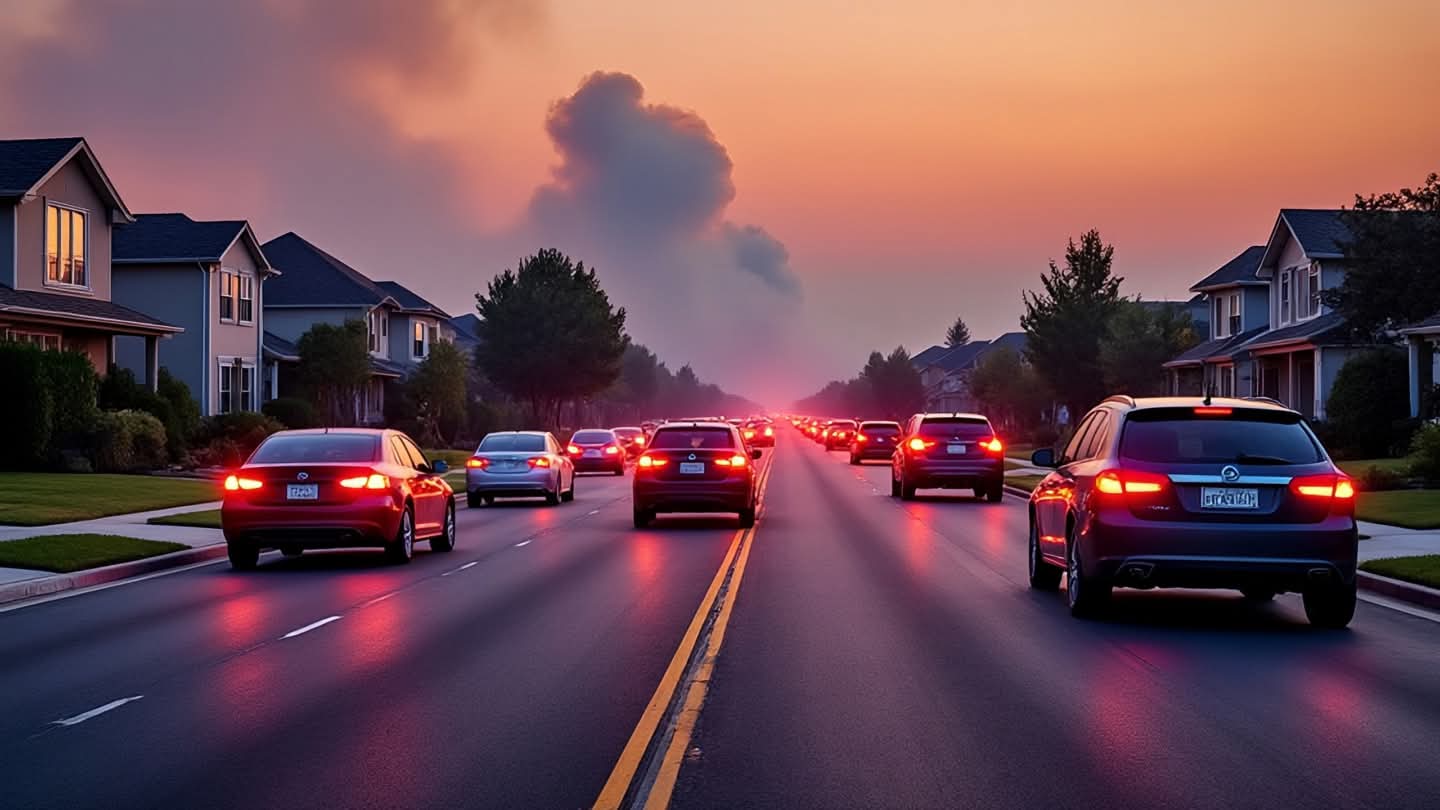
The Hawk Fire, which began just north of the city, spread rapidly due to dry conditions and strong winds. Containment efforts were initially hampered by the fire’s speed and intensity, leaving firefighters struggling to establish control lines. The decision to issue mandatory evacuation orders was made swiftly, prioritizing human safety over property protection. Schools and community centers were transformed into shelters, offering refuge to those fleeing with little more than the clothes on their backs.
Human cause remains the leading factor in wildfires across the West, and this incident is no exception. Investigators are working to determine the specific circumstances that sparked the blaze, whether it was an unattended campfire, a discarded cigarette, or equipment malfunction. Regardless of the exact cause, the outcome underscores the critical importance of fire prevention and public awareness in high-risk areas. One moment of negligence can lead to years of recovery and loss.
The impact on the University of Nevada campus was particularly concerning, as the "GO NOW" evacuation zone reached its edge. Students and faculty were forced to leave dormitories and classrooms, disrupting the academic year and adding to the chaos. The proximity of the fire to such a central institution highlighted the vulnerability of urban infrastructure to environmental threats. It served as a wake-up call for city planners to integrate fire resilience into future development.
Emergency responders worked tirelessly, coordinating with local agencies and federal partners to manage the crisis. Air tankers dropped retardant on the advancing flames, while ground crews dug trenches to slow the fire’s progress. Despite their efforts, the fire remained 0% contained for several days, a statistic that fueled fear and uncertainty among residents. The sheer scale of the response reflected the severity of the threat and the commitment to protecting lives.
For those evacuated, the experience was traumatic. Many lost homes and possessions, while others faced the anxiety of not knowing if their properties would survive. Community support networks sprang up quickly, with neighbors helping neighbors and local businesses donating supplies. This outpouring of solidarity provided emotional comfort in a time of immense stress, demonstrating the strength of communal bonds in the face of adversity.
As the fire continued to burn, questions arose about long-term preparedness. Climate change has extended fire seasons and increased the intensity of blazes, making events like the Hawk Fire more common. Residents and officials are now discussing strategies for better land management, stricter building codes, and improved early warning systems. The goal is to build a community that is not just reactive but proactive in the face of environmental risks.
The Hawk Fire near Reno serves as a poignant reminder of the power of nature and the consequences of human action. As the flames are eventually contained and residents begin to return home, the focus will shift to recovery and rebuilding. The hope is that lessons learned from this tragedy will lead to a safer, more resilient future for all who call the region home.
AI Image Disclaimer: Visuals accompanying this article are AI-generated illustrations designed to complement the narrative and do not depict real-time events.
Sources: KPTV Hindustan Times Facebook Local News WeatherNation Instagram Local Reports
Note: This article was published on BanxChange.com and is powered by the BXE Token on the XRP Ledger. For the latest articles and news, please visit BanxChange.com