
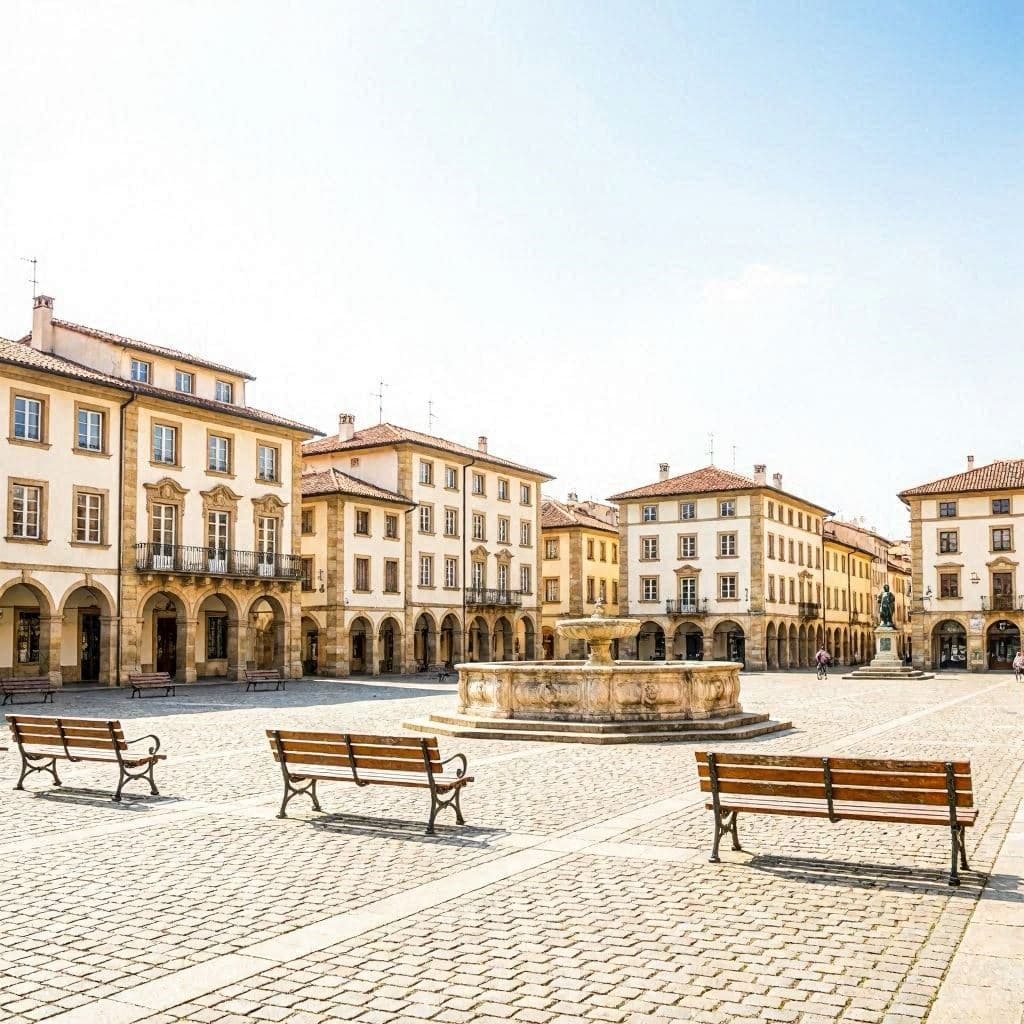
Summer in Central Europe is traditionally a time of mild warmth and lush greenery. However, recent weeks have brought a searing intensity that has shattered historical records. Slovakia and the Czech Republic are currently enduring a severe heatwave, with temperatures climbing to unprecedented levels. This meteorological anomaly is not just a weather event; it is a stark indicator of a changing climate, challenging infrastructure, health systems, and daily life across the region.
In Slovakia, thermometers have soared past previous highs, straining power grids as demand for air conditioning spikes. Cities like Bratislava have become ovens, with urban heat islands amplifying the discomfort. Public spaces, usually vibrant with activity, are quieter as residents seek refuge indoors. The elderly and those with pre-existing health conditions are particularly vulnerable, prompting health authorities to issue urgent warnings and open cooling centers.
The Czech Republic faces similar challenges, with Prague and other major cities recording their highest ever June temperatures. The dryness accompanying the heat has raised concerns about drought and its impact on agriculture. Farmers are watching their crops with anxiety, knowing that prolonged heat can devastate yields. Water levels in rivers and reservoirs are dropping, affecting both irrigation and hydroelectric power generation.
This heatwave is part of a broader pattern of extreme weather events affecting Europe. Scientists attribute these intensifying conditions to global warming, which is altering atmospheric circulation patterns. What was once considered an exceptional summer is becoming more frequent, forcing societies to adapt. The records broken this week are likely to be challenged again in the near future, underscoring the urgency of climate action.
Local governments are responding with emergency measures, including restrictions on water use and advice to limit outdoor activities during peak hours. Schools have adjusted schedules, and employers are encouraged to allow flexible working hours to protect staff. These adaptive strategies are necessary short-term solutions, but they highlight the need for long-term urban planning that prioritizes heat resilience.
The psychological impact of such extreme weather should not be underestimated. The relentless heat can lead to fatigue, irritability, and a sense of helplessness. Community support networks are playing a vital role in checking on neighbors and ensuring that no one is left isolated in the sweltering conditions. Solidarity becomes a crucial resource when the environment turns hostile.
As the heat persists, the conversation shifts to mitigation. How can cities be redesigned to stay cooler? How can energy systems be made more sustainable? These questions are no longer theoretical but practical necessities. The current crisis serves as a catalyst for innovation and policy change, driving investment in green infrastructure and renewable energy.
In the end, the scorching temperatures in Eastern Europe are a reminder of our vulnerability to natural forces. They invite us to reflect on our relationship with the planet and the consequences of our actions. By adapting to the present and preparing for the future, we can build societies that are not only resilient but also sustainable. The heat will eventually break, but the lessons it teaches must endure.
AI Image Disclaimer: Please note that any images associated with this article are AI-generated interpretations intended for illustrative purposes only and do not represent actual photographs of the specific weather events.
Sources: Reuters The Guardian Euronews BBC News
Note: This article was published on BanxChange.com and is powered by the BXE Token on the XRP Ledger. For the latest articles and news, please visit BanxChange.com
.jpg&w=3840&q=75 "Highway Multi-Car Collision: Two Dead And Six Injured In Massive Ruta 5 Southbound Pileup")