The most enduring mysteries are often not hidden in distant galaxies or deep oceans. Sometimes they wait quietly in places people believe they already understand. Along the shores of Utah’s Great Salt Lake, where salt and wind shape a landscape unlike most others, scientists have uncovered a form of life that remained unnoticed despite years of observation.
Researchers studying the Great Salt Lake have identified a previously unknown species of microscopic worm living within the lake’s extreme environment. The species, named Diplolaimelloides woaabi, appears to exist nowhere else on Earth.
The discovery was made by scientists from the University of Utah, who spent several years analyzing samples collected from microbial structures within the lake. Initial findings suggested the organism was unique, but confirmation required extensive genetic and taxonomic study.
The tiny creature belongs to a group known as nematodes, microscopic roundworms that inhabit a wide range of environments across the planet. Yet finding one adapted to the Great Salt Lake’s unusually salty waters surprised researchers.
Until recently, only brine shrimp and brine flies were widely recognized as animal groups capable of thriving in the lake’s harsh salinity. The discovery of this new worm expands scientific understanding of the ecosystem and suggests its biodiversity may be greater than previously believed.
Researchers worked with Indigenous representatives while naming the species. The word “woaabi,” meaning “worm,” was suggested by elders from the Northwestern Band of the Shoshone Nation, connecting the scientific discovery with local cultural heritage.
Scientists are still investigating how the species arrived in the lake. Some theories point toward ancient geological history, while others suggest migration through natural transport mechanisms involving birds or environmental movement over long periods.
Beyond its rarity, the worm may prove important for environmental monitoring. Because nematodes often respond quickly to ecological changes, researchers believe the species could serve as an indicator of the lake’s overall health as water levels and salinity continue to shift.
Further study is expected to explore the organism’s ecological role and its relationship with the lake’s microbial communities. Scientists believe discoveries like this demonstrate how much remains unknown even within well-studied environments.
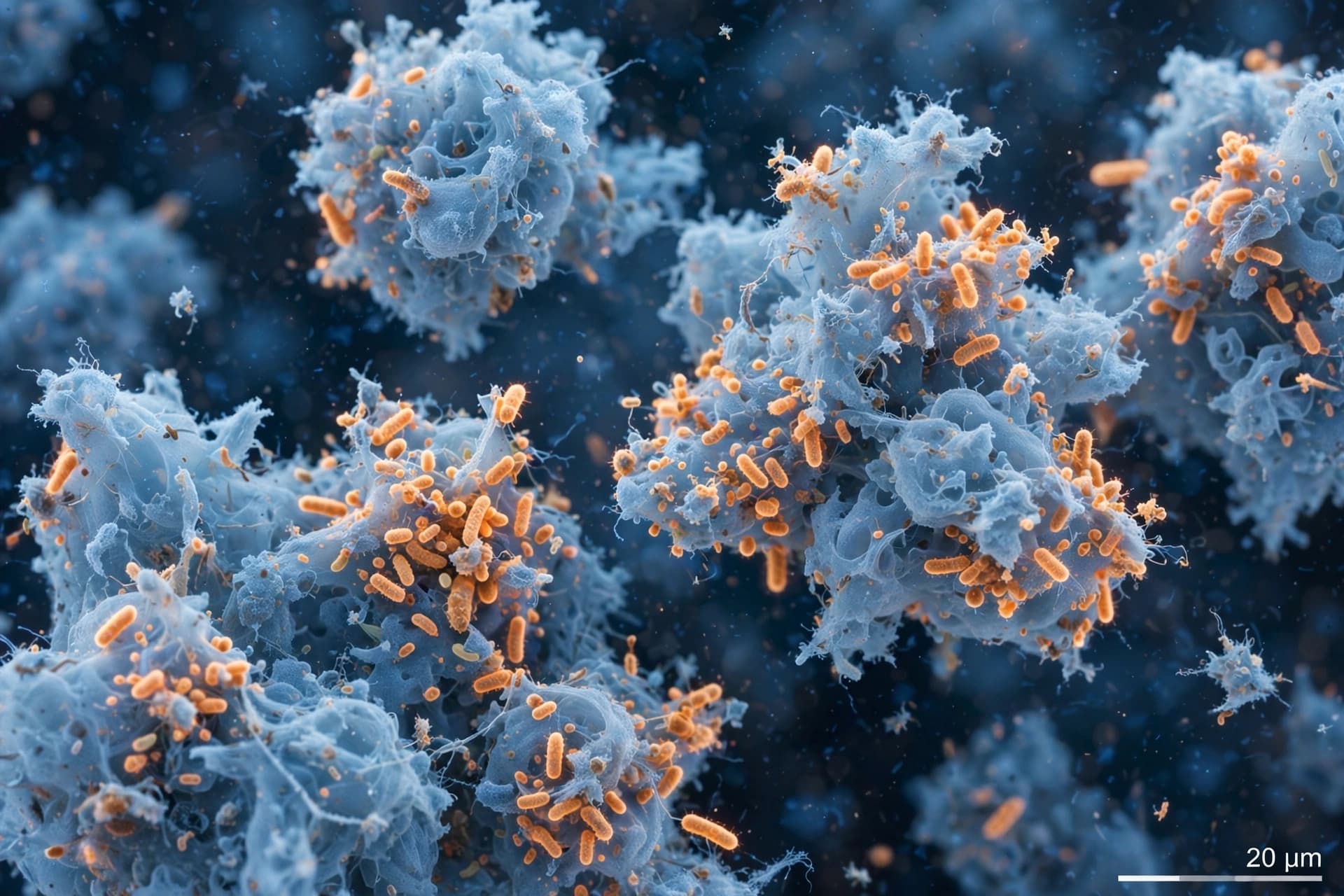
AI-generated images are included for illustrative purposes and do not depict the actual organism.
Sources: ScienceDaily, University of Utah, Journal of Nematology
Published by Banx Network. This article is part of the Banx decentralized media programme, powered by the BXE token on the XRP Ledger.