In the shaded creeks and cool freshwater streams of Australia, some of the country's most remarkable creatures live largely unseen. Their lives unfold beneath rocks and flowing water, away from public attention. Yet these hidden residents often tell important stories about the health of the landscapes around them. Among them is the endangered spiny crayfish, a species now drawing increasing conservation concern.
Scientists and conservationists describe many spiny crayfish species as uniquely adapted to Australia's freshwater environments. Their striking appearance and long life cycles have made them subjects of growing ecological interest.
Researchers warn that several species face mounting pressures from habitat degradation, climate change, altered water conditions, and invasive predators. Freshwater ecosystems are especially vulnerable because relatively small environmental changes can produce significant impacts on aquatic life.
Many spiny crayfish require cool, clean waterways to survive. Rising temperatures and changing rainfall patterns can reduce suitable habitat, making it harder for populations to recover once numbers decline.
Bushfires have also emerged as a concern. After intense fires, sediment and ash can wash into streams, affecting water quality and disrupting delicate ecological balances. Such events can place additional stress on already vulnerable populations.
Conservation groups and researchers are working to improve monitoring programs, restore habitats, and increase public awareness. These efforts aim not only to protect individual species but also to preserve the broader freshwater ecosystems upon which many plants and animals depend.
The growing number of spiny crayfish species receiving threatened status has highlighted how rapidly environmental conditions can change. Scientists view these animals as important indicators of freshwater ecosystem health.
Public engagement has become a key component of conservation. By helping communities understand the ecological value of lesser-known species, conservationists hope to build broader support for habitat protection and climate resilience measures.
The effort to protect Australia's endangered spiny crayfish reflects a larger challenge facing biodiversity conservation worldwide. Protecting these remarkable freshwater creatures may ultimately help safeguard entire ecosystems that support countless other forms of life.
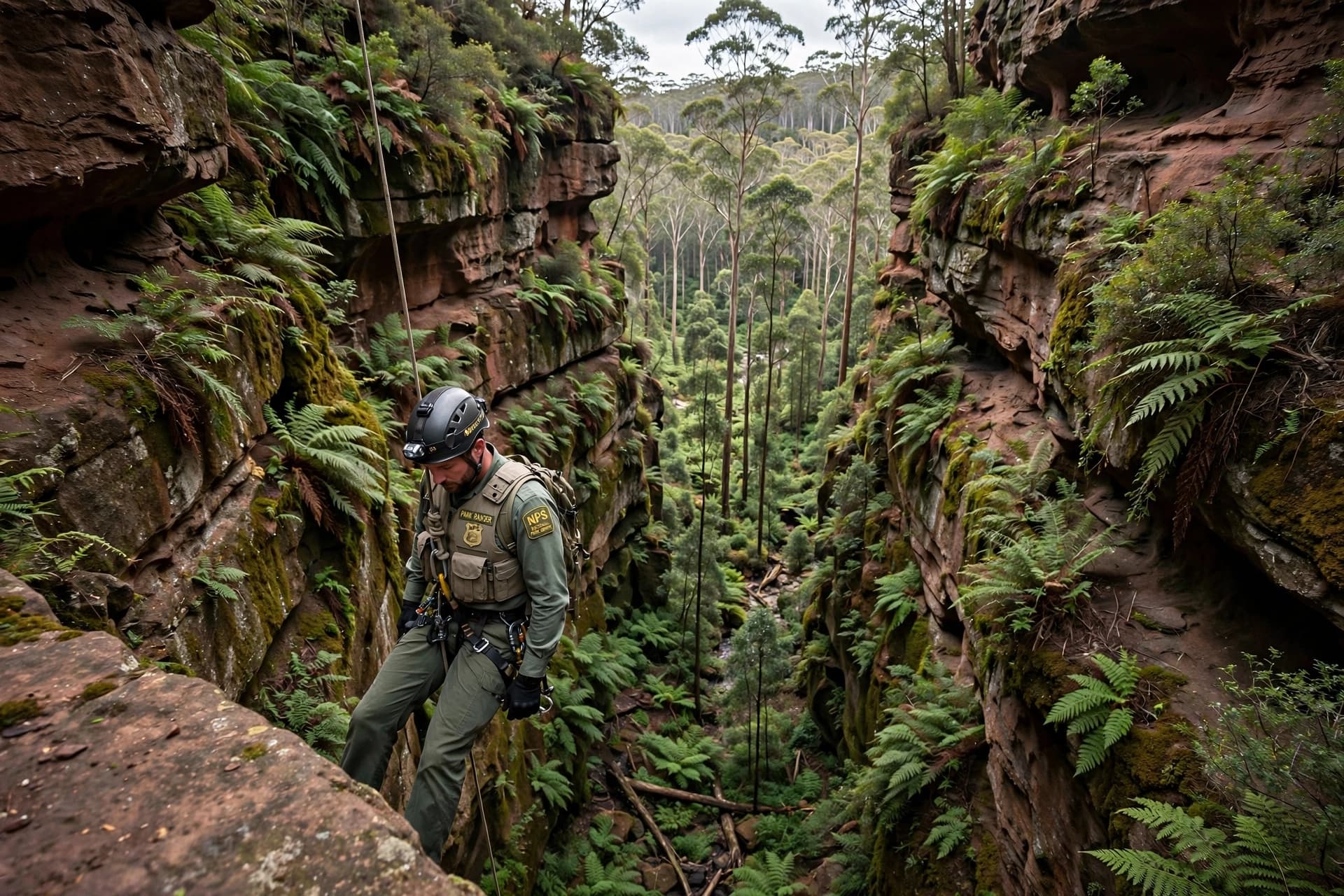
AI Image Disclaimer: This article includes AI-generated illustrative imagery created for visual interpretation and not as a direct photographic record of the species or conservation activities discussed.
Sources (Verification Check) The Guardian Australia WWF-Australia
Published by Banx Network. This article is part of the Banx decentralized media programme, powered by the BXE token on the XRP Ledger.