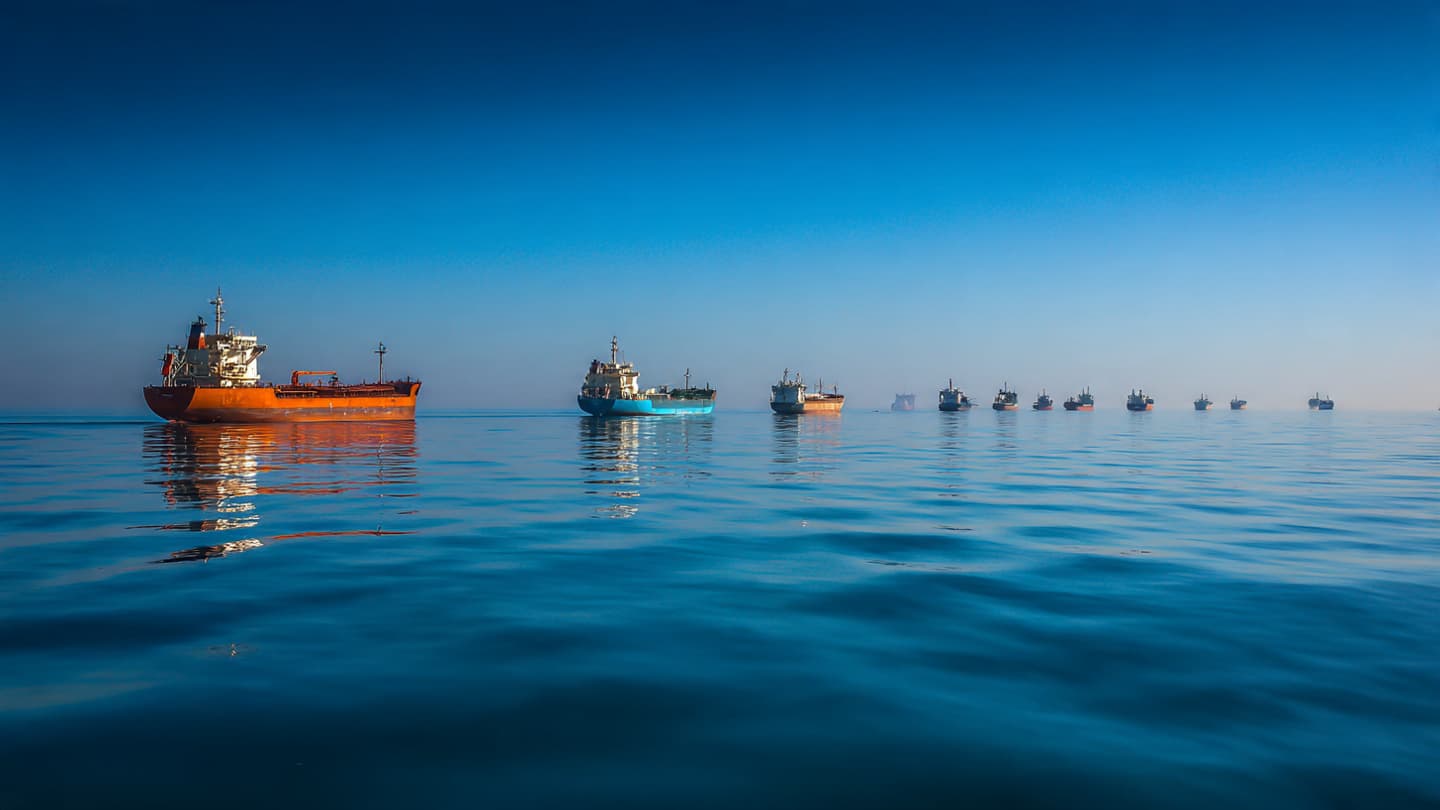
The waters of the Persian Gulf have long carried more than ships and cargo. They have carried uncertainty, diplomacy, and the delicate balance of regional stability. In recent days, that balance appeared slightly steadier as the United States and Iran moved toward extending a ceasefire arrangement while supporting efforts to maintain the flow of maritime traffic through one of the world's most important waterways.
The development comes after months of heightened concern among governments, shipping companies, and energy markets. The Strait of Hormuz remains a critical gateway for global oil and gas transportation, making any disruption a matter of international attention. Even small incidents in the region can ripple across continents through higher transportation costs and market volatility.
Officials involved in diplomatic discussions described the extension as a practical step designed to reduce immediate tensions. While significant political differences remain between Washington and Tehran, both sides appear to recognize the broader consequences of instability in the region. The agreement does not resolve longstanding disputes, but it offers a temporary framework for reducing risks.
Commercial shipping operators welcomed the announcement cautiously. Maritime routes through the Gulf are essential for energy exports from several countries, and periods of uncertainty often lead to increased insurance costs and logistical complications. The reopening and protection of key shipping lanes could help stabilize commercial activity in the coming weeks.
Energy analysts noted that markets tend to respond positively when major transportation corridors remain secure. The Strait of Hormuz handles a substantial portion of global petroleum shipments, making it one of the most strategically significant maritime passages in the world. A reduction in security concerns may help ease pressure on energy prices.
Regional governments have also closely monitored the situation. Neighboring countries depend on uninterrupted trade flows and have consistently encouraged diplomatic solutions over military escalation. Many officials view the latest agreement as an opportunity to continue dialogue rather than confrontation.
Despite the positive developments, observers emphasize that the arrangement remains fragile. Previous periods of calm have occasionally been interrupted by unexpected incidents or political disagreements. As a result, international stakeholders continue to watch developments carefully while encouraging further diplomatic engagement.
The broader significance of the agreement extends beyond immediate security concerns. It highlights how interconnected the global economy remains, where decisions made in a narrow maritime corridor can influence markets, industries, and consumers thousands of miles away.
For now, shipping traffic continues to move through the region under increased confidence, while diplomats work to preserve a measure of stability. Whether this period of calm evolves into a more durable understanding remains uncertain, but the extension of the ceasefire marks a notable step toward reducing tensions in a strategically important region.
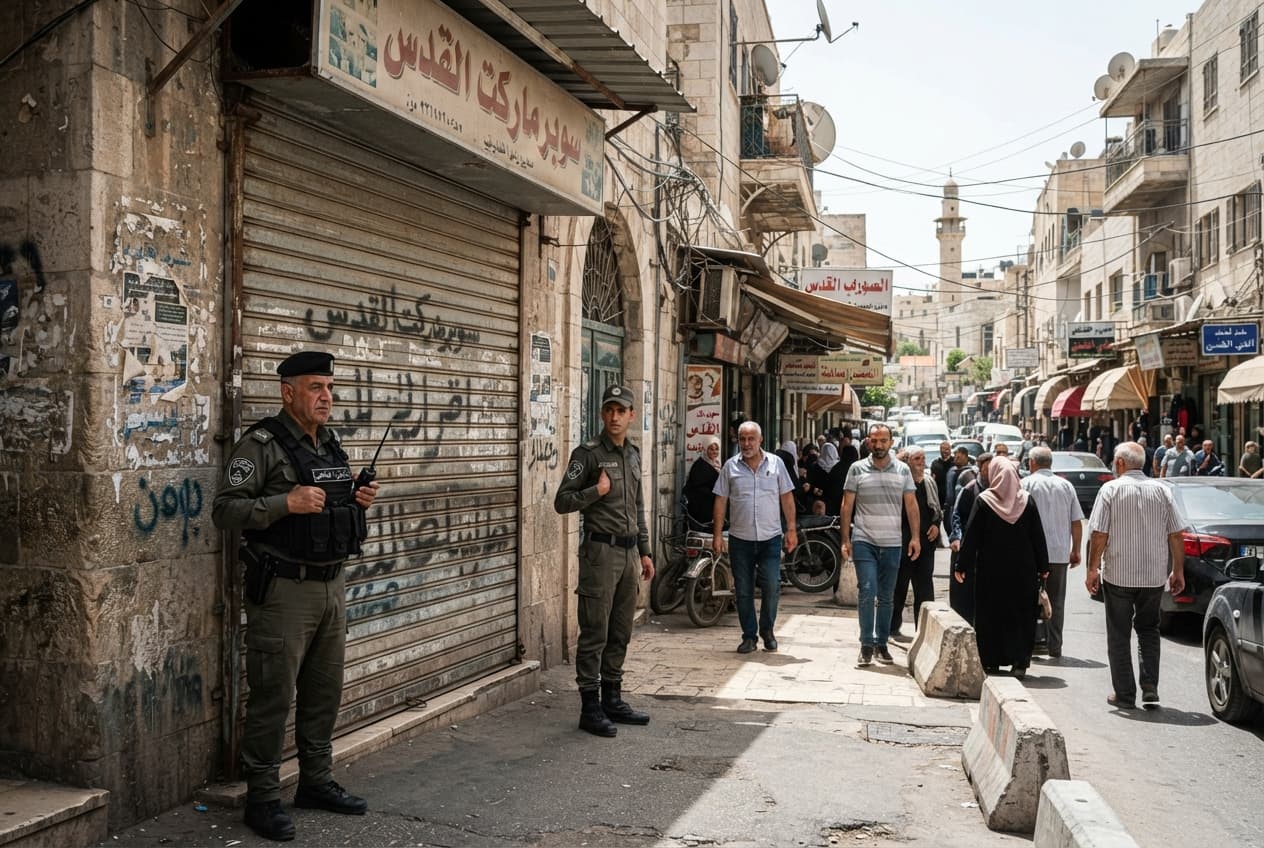
AI Image Disclaimer: The accompanying illustration was created using artificial intelligence and is intended for visual representation only.
Source Verification Check: Reuters, Associated Press, Al Jazeera, BBC News, Bloomberg
Published by Banx Network. This article is part of the Banx decentralized media programme, powered by the BXE token on the XRP Ledger.