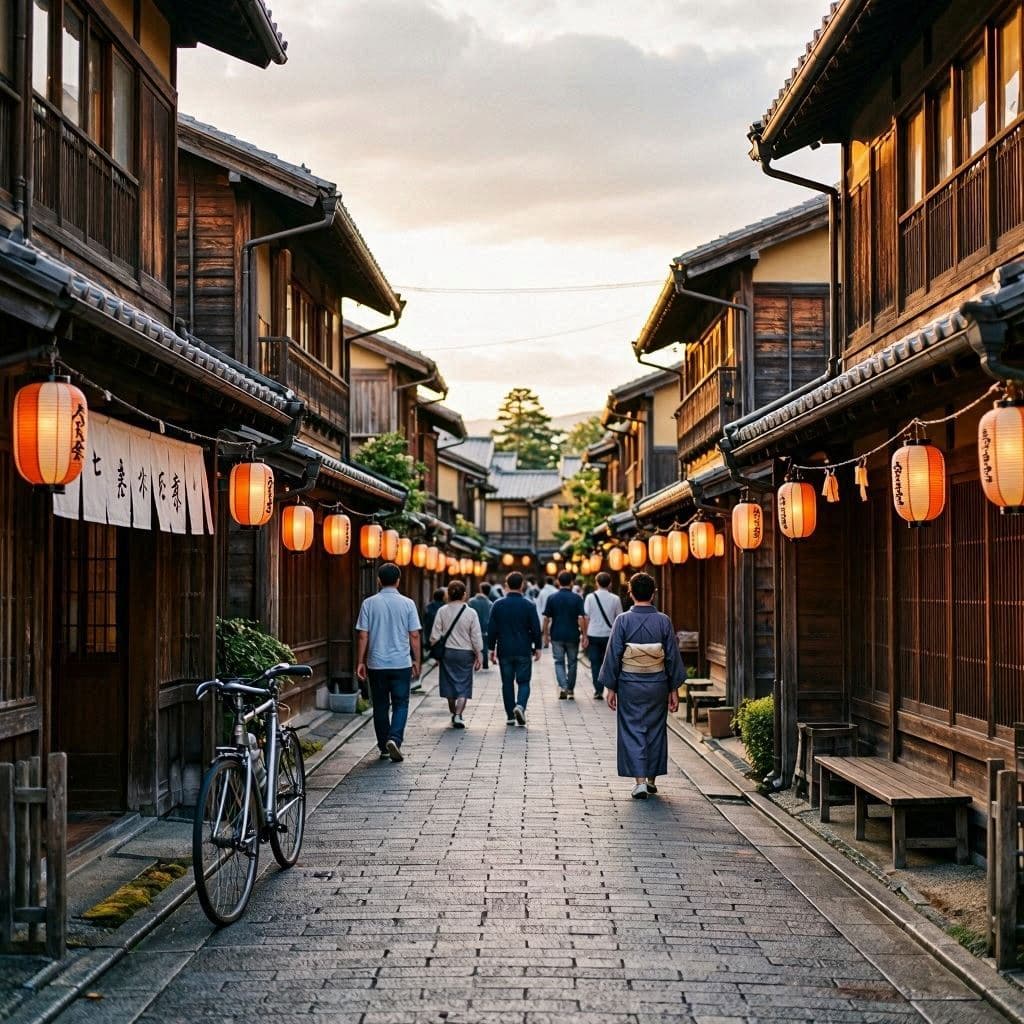
Across Japan, some cities tell their stories through towering landmarks, while others speak more quietly through old streets, preserved homes, and traditions carried across generations. Away from the familiar paths of Tokyo and Kyoto, there are places where history remains woven into everyday life. One such city continues to remind visitors that Japan’s cultural richness extends far beyond its most famous destinations.
The city highlighted in the headline is Kanazawa, located on Japan’s western coast in Ishikawa Prefecture. During the Edo period, Kanazawa grew into one of the country’s most prosperous cultural centers, supported by the powerful Maeda clan. Its wealth helped create a flourishing environment for arts, crafts, gardens, and architecture.
For centuries, Kanazawa developed alongside major Japanese cities such as Kyoto and Edo, the former name of Tokyo. While it did not become the nation’s political center, it built a reputation as a place of refinement, attracting artisans and supporting traditional industries such as gold leaf production, ceramics, and textile craftsmanship.
One of Kanazawa’s most celebrated features is Kenrokuen Garden, widely recognized as one of Japan’s most beautiful landscape gardens. Created over generations, the garden reflects traditional Japanese principles of balance, harmony, and seasonal change, offering a quiet example of how nature and design can exist together.
The city’s historic districts also preserve the atmosphere of earlier centuries. Areas such as Higashi Chaya District feature traditional wooden teahouses where visitors can experience elements of Japan’s cultural heritage, including performances connected to geisha traditions. These neighborhoods provide a glimpse into a slower rhythm of urban life.
Kanazawa’s artistic identity remains visible today through museums, workshops, and local craftsmanship. The city is especially known for producing gold leaf, a delicate material used in decorative arts, religious objects, and traditional crafts. This connection between past techniques and modern creativity has helped maintain Kanazawa’s cultural character.
In recent years, improved transportation links have made Kanazawa more accessible to travelers seeking alternatives to Japan’s busiest tourist destinations. The city offers a different kind of experience — one shaped less by large crowds and more by the careful preservation of history, craftsmanship, and local traditions.
The story of Kanazawa reflects a broader lesson about cultural heritage. A city’s importance is not measured only by its size or global recognition, but also by the depth of its memories and the care taken to preserve them.
Today, Kanazawa continues to stand as a reminder that Japan’s cultural landscape is filled with many voices. While Tokyo and Kyoto remain internationally admired, this historic city carries its own quiet elegance, inviting visitors to discover a different chapter of Japan’s enduring story.
AI Image Disclaimer: The images accompanying this article are AI-generated visual interpretations of Kanazawa’s historic streets, gardens, and cultural heritage. They are artistic representations, not actual photographs.
Sources:
Japan National Tourism Organization UNESCO World Heritage Centre Kanazawa City Official Tourism Information National Geographic Travel
Note: This article was published on BanxChange.com and is powered by the BXE Token on the XRP Ledger. For the latest articles and news, please visit BanxChange.com