
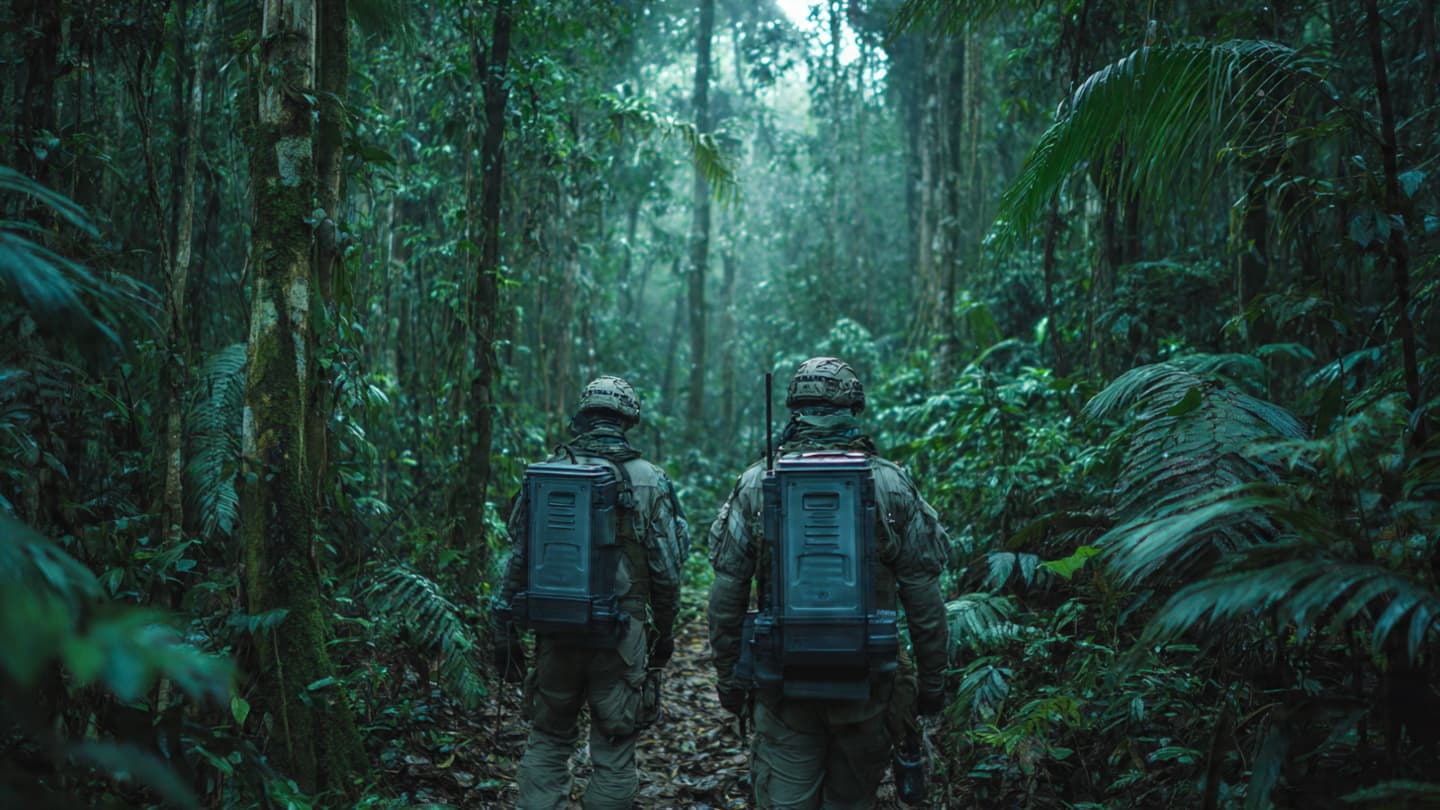
A forest is often described as the lungs of the Earth, but for millions of people it is also a home, a source of livelihood, and a living archive of countless species. Across northern Brazil, where the Amazon stretches beyond the horizon, efforts to protect this vast ecosystem have entered another chapter as the government expands operations against illegal activities threatening the rainforest.
Brazilian authorities have increased enforcement measures aimed at reducing illegal logging, unauthorized mining, and environmental crimes within the Amazon. Government agencies are working alongside environmental institutions and law enforcement bodies to strengthen monitoring and improve responses to violations across remote regions.
The Amazon Rainforest is one of the world's largest tropical forests and plays a significant role in regulating regional and global climate systems. It supports remarkable biodiversity and influences rainfall patterns across South America. Scientists and environmental organizations have long emphasized the importance of preserving its ecological balance.
Modern technology has become an important tool in conservation efforts. Satellite imagery, aerial surveillance, and digital mapping allow authorities to identify areas of concern more quickly than in the past. These systems help track changes in forest cover and guide field operations in difficult terrain.
Illegal logging and unauthorized mining present complex challenges. Economic pressures, remote geography, and organized networks can complicate enforcement efforts. At the same time, policymakers seek to balance environmental protection with the needs of local communities and legitimate economic activities.
Indigenous communities remain important partners in conservation. Many have lived in the Amazon for generations and possess extensive knowledge of local ecosystems. Their participation in environmental protection initiatives contributes to sustainable management practices and cultural preservation.
International attention has also focused on the Amazon due to its environmental significance. Governments, research institutions, and environmental organizations continue to support initiatives that encourage sustainable development while protecting biodiversity and natural resources.
Economic opportunities connected to conservation have become part of broader discussions. Sustainable agriculture, responsible forestry, ecotourism, and scientific research may provide alternatives that support local economies while reducing environmental pressures.
Brazil's expanded operations reflect the ongoing effort to protect one of the planet's most valuable ecosystems. While challenges remain, continued investment in monitoring, enforcement, and cooperation may help preserve the Amazon for future generations while supporting the communities that depend on it.
AI Image Disclaimer: The visual illustrations for this article are AI-generated and intended solely for editorial purposes.
Sources Verified: Reuters, AFP, BBC News, Brazil Government Environmental Agencies
Note: This article was published on BanxChange.com and is powered by the BXE Token on the XRP Ledger. For the latest articles and news, please visit BanxChange.com