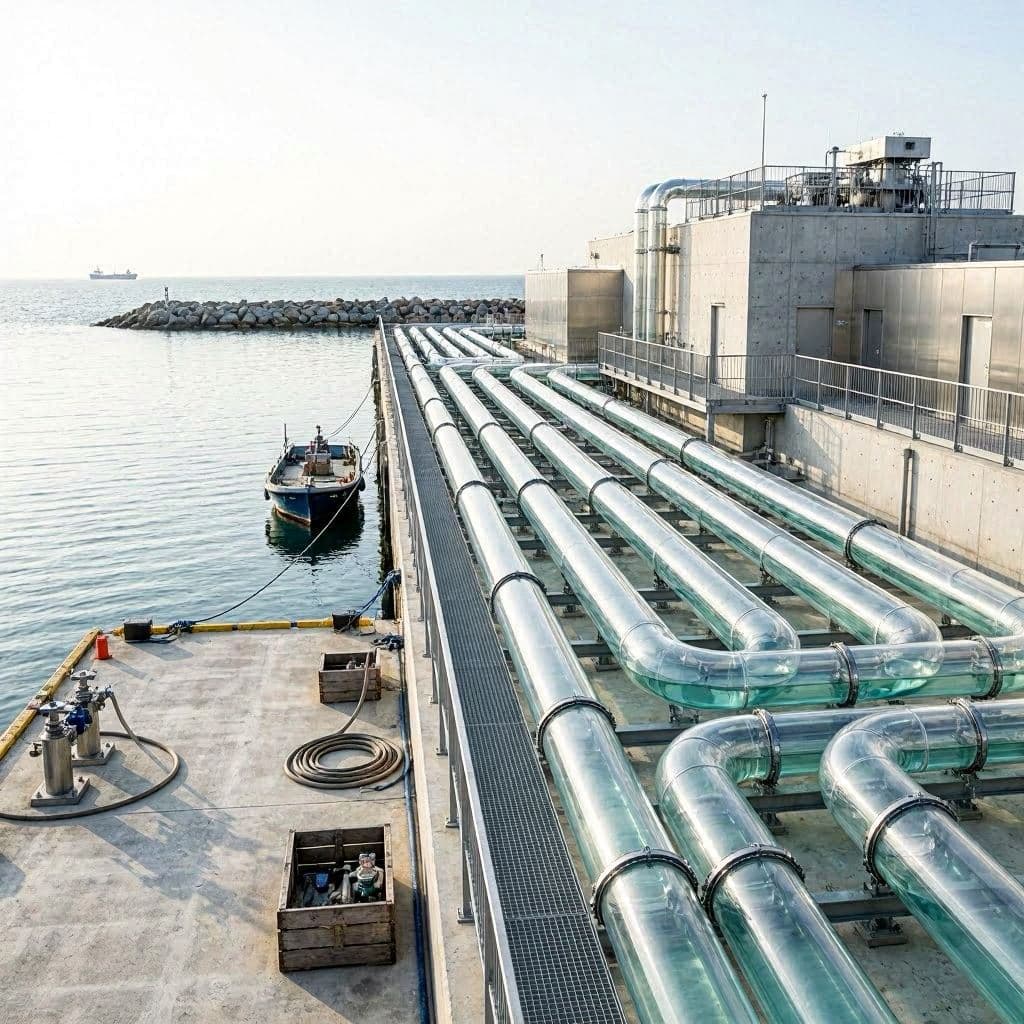
Water, the essence of life, has long been a source of both abundance and scarcity, depending on where one stands on the map. In arid regions and coastal cities alike, the quest for fresh water has driven innovation for centuries. Now, a new chapter is being written in China, where technological advancements have pushed the cost of desalinating seawater below that of producing bottled water. This milestone is not merely an economic statistic; it is a beacon of hope for a world grappling with the dual challenges of water scarcity and plastic pollution.
The breakthrough centers on improved efficiency in reverse osmosis and other filtration technologies. By optimizing energy consumption and utilizing advanced materials, researchers have managed to significantly lower the operational costs of turning saltwater into potable water. For decades, desalination was viewed as an energy-intensive and expensive last resort, viable only for wealthy nations or desperate circumstances. The shift in cost dynamics suggests that this technology may soon become accessible to a much broader segment of the global population.
This development carries profound implications for environmental sustainability. The production of bottled water involves not only the extraction of resources but also the creation of vast amounts of plastic waste, much of which ends up in landfills or oceans. If tap-quality water can be produced from the sea at a lower cost than bottling it, the economic incentive to rely on single-use plastics diminishes. It offers a practical pathway toward reducing our dependence on disposable containers while ensuring access to clean drinking water.
However, the transition is not without its complexities. While the cost of production has dropped, the infrastructure required for large-scale desalination remains significant. Building and maintaining plants, managing brine disposal, and ensuring consistent energy supplies are challenges that must be addressed. Yet, the progress made in China demonstrates that these hurdles are not insurmountable, especially when driven by focused research and development.
The global water crisis is intensifying, with climate change altering precipitation patterns and depleting freshwater reserves. In this context, the ability to harness the ocean’s vast resources becomes increasingly vital. The Chinese achievement serves as a reminder that human ingenuity can provide solutions to some of our most pressing environmental problems. It invites other nations to invest in similar technologies, fostering a collaborative approach to water security.
Critics may point to the environmental impact of desalination plants, particularly regarding marine life and energy sources. These concerns are valid and require careful management through regulatory frameworks and technological refinements. However, the comparison with bottled water highlights a crucial point: every method of water provision has an environmental footprint, and the goal is to choose the least harmful option. Desalination, when powered by renewable energy, offers a promising alternative to the status quo.
As this technology matures, it has the potential to reshape global water markets and policies. It could empower communities in drought-prone areas to achieve greater self-sufficiency, reducing their vulnerability to climate shocks. The democratization of clean water is a noble ideal, and this technological leap brings us closer to realizing it. It is a testament to the power of science to serve humanity’s most basic needs.
In the end, the story of cheaper desalination is one of optimism and possibility. It reminds us that while the challenges we face are formidable, they are not beyond our capacity to solve. By embracing innovation and prioritizing sustainability, we can ensure that water remains a source of life rather than a cause of conflict. The ocean, once seen as a barrier, is now becoming a reservoir of hope.
AI Image Disclaimer: The visual elements accompanying this piece are generated by artificial intelligence to provide conceptual context and do not depict real-world scenes or individuals.
Sources: South China Morning Post Nature Journal Reuters Xinhua News Agency The Guardian
Note: This article was published on BanxChange.com and is powered by the BXE Token on the XRP Ledger. For the latest articles and news, please visit BanxChange.com