
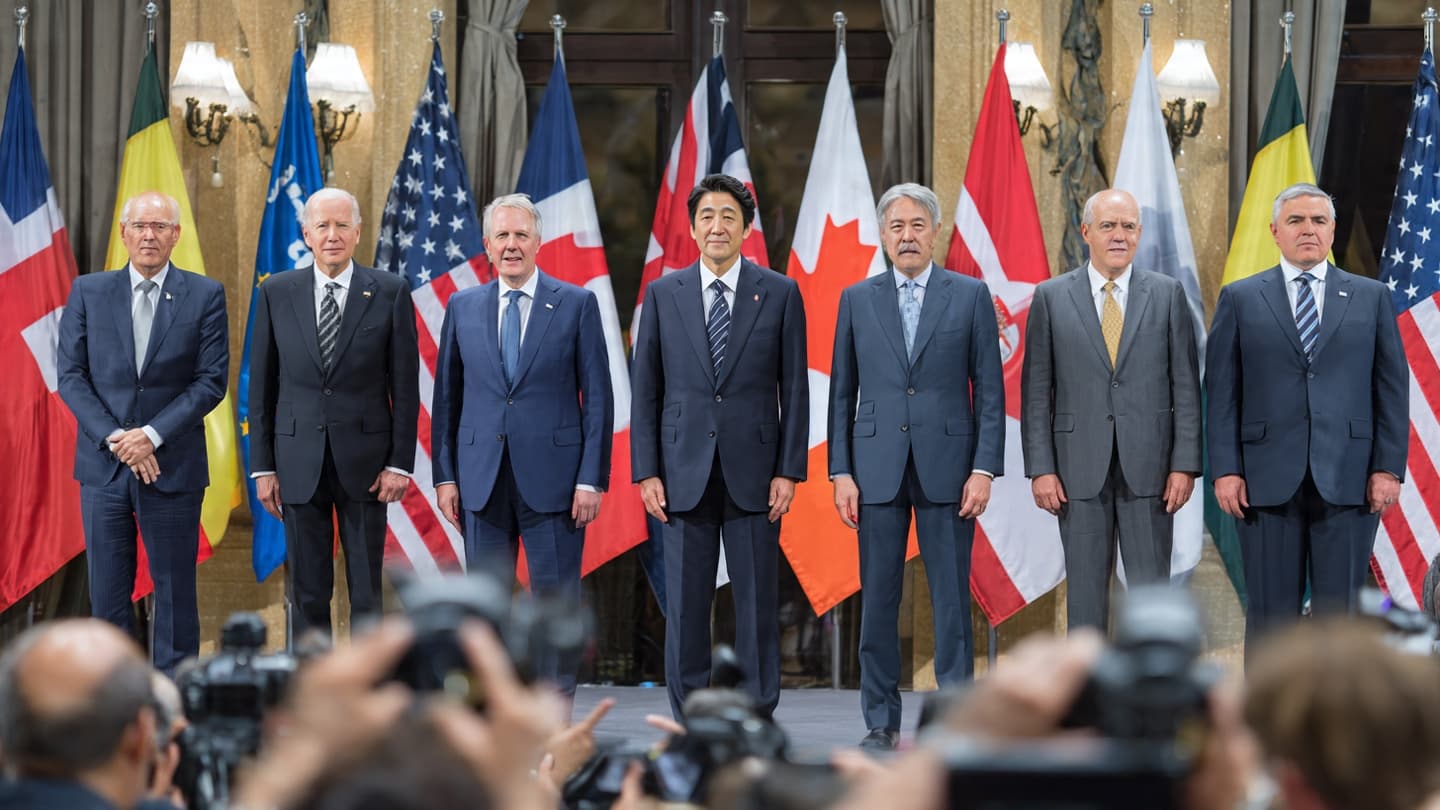
International summits often resemble intersections where multiple roads of diplomacy converge. Leaders arrive carrying different priorities, concerns, and ambitions, yet each gathering offers an opportunity to influence the direction of global affairs. At this year's G7 summit, one of the most closely watched topics was the evolving relationship between the United States and Iran.
President Donald Trump entered the meeting expressing confidence that ongoing diplomatic efforts could produce meaningful results. His remarks reflected a belief that negotiations remain capable of reducing tensions and creating a framework for future engagement. The statements came as world leaders gathered to discuss economic cooperation, security issues, and geopolitical developments affecting multiple regions.
The possibility of an agreement with Iran has attracted significant international attention. For years, relations between Washington and Tehran have been marked by periods of confrontation, negotiation, and uncertainty. Any sign of diplomatic progress therefore carries implications that extend beyond the two countries directly involved.
Supporters of renewed engagement argue that diplomacy offers a practical pathway toward stability. They contend that sustained dialogue can reduce risks, encourage communication, and create opportunities for addressing long-standing disagreements through negotiation rather than escalation. Many international observers view diplomatic channels as essential tools for managing complex regional challenges.
At the summit, discussions involving Iran unfolded alongside broader conversations concerning global economic conditions, energy markets, trade relationships, and international security. The interconnected nature of these issues means that developments in one area frequently influence decision-making in another. As a result, the Iran question remained part of a larger diplomatic landscape.
European leaders have generally emphasized the importance of maintaining dialogue while ensuring that security concerns are addressed. Several governments have expressed support for initiatives aimed at reducing tensions, though perspectives vary regarding the specific mechanisms needed to achieve lasting progress. These differences reflect the complexity of international diplomacy rather than outright disagreement over broader objectives.
Analysts note that confidence expressed during negotiations can serve multiple purposes. It may reassure allies, encourage continued engagement, and signal commitment to the diplomatic process. At the same time, successful agreements ultimately depend on implementation, verification, and the willingness of all parties to fulfill their commitments over time.
The summit also highlighted the continuing importance of multilateral forums. Gatherings such as the G7 provide opportunities for leaders to exchange views, coordinate strategies, and address emerging challenges collectively. Even when countries approach issues from different perspectives, regular dialogue can help reduce misunderstandings and foster cooperation.
Financial markets and international businesses have monitored developments closely. Changes in regional stability can influence energy supplies, investment decisions, and broader economic expectations. Consequently, diplomatic initiatives involving Iran often attract attention from both political and economic stakeholders.
As meetings continue and negotiations evolve, the ultimate outcome remains uncertain. Nevertheless, President Trump's confidence has contributed to a broader conversation about the possibilities and limitations of diplomacy in a changing world. Whether the current efforts lead to a lasting agreement will depend on decisions made in the months ahead, but the discussions at the G7 summit have already underscored the significance of the issue on the global stage.
AI IMAGE DISCLAIMER Illustrations were produced with AI and serve as conceptual depictions.
SOURCES Reuters Associated Press Bloomberg CNN BBC News
Note: This article was published on BanxChange.com and is powered by the BXE Token on the XRP Ledger. For the latest articles and news, please visit BanxChange.com