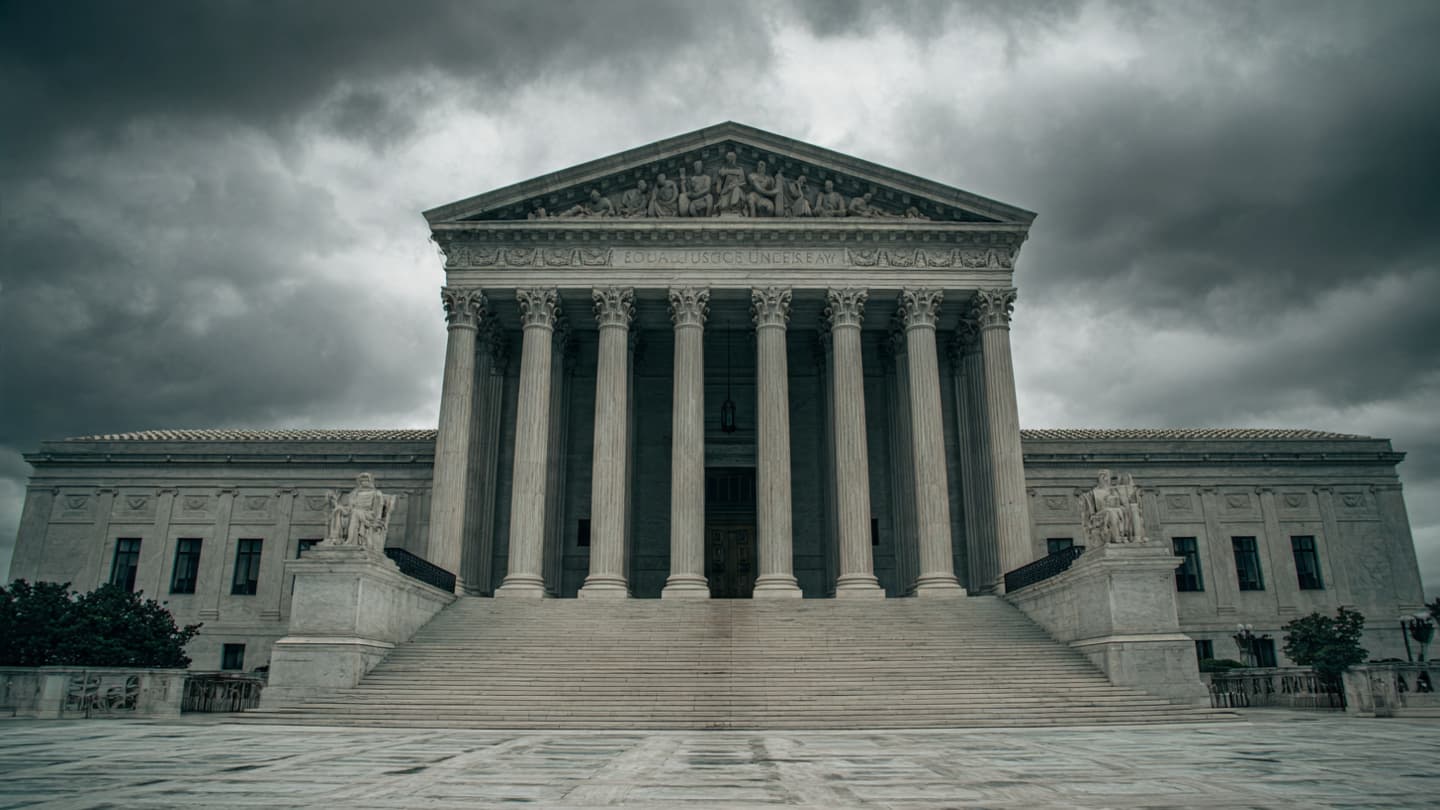
The American justice system often moves with the deliberate pace of an old clock, where even a single ruling can echo far beyond one courtroom. This week, the Supreme Court’s decision involving a Mississippi death row inmate reopened difficult national conversations about fairness, race, and the enduring complexity of capital punishment in the United States.
The Supreme Court ruled in favor of a Mississippi man on death row whose legal team argued that racial bias influenced aspects of his case. The decision sends the matter back for further review, allowing lower courts to reconsider arguments tied to jury selection and equal protection concerns.
According to court documents and legal analysts, the case centered on allegations that prosecutors improperly excluded Black jurors during the original trial process. Such claims have remained legally significant since earlier Supreme Court rulings established constitutional protections against racially discriminatory jury practices.
Civil rights advocates described the ruling as an important reminder that public confidence in the justice system depends heavily on procedural fairness and equal treatment under the law. They emphasized that jury selection remains one of the most sensitive areas within criminal proceedings, particularly in capital cases.
Supporters of the prosecution’s original handling of the case argued that trial decisions reflected lawful prosecutorial discretion rather than racial discrimination. However, the Supreme Court’s ruling indicates that justices believed further judicial review was warranted before the legal process could fully conclude.
The decision also arrives during a period of renewed national examination surrounding capital punishment, sentencing disparities, and systemic bias within criminal justice institutions. Across several states, debates over death penalty procedures continue evolving through both legislative and judicial channels.
Legal scholars noted that Supreme Court rulings involving jury bias often carry implications extending beyond a single defendant. Such decisions can influence future prosecutorial standards, appeals processes, and broader interpretations of constitutional protections within state courts nationwide.
The case will now return to lower courts for additional proceedings following the Supreme Court’s decision in favor of the Mississippi inmate.
AI-generated image disclaimer: Certain illustrations accompanying this report were created using AI-generated visual technology.
Sources: Associated Press, Reuters, SCOTUSblog, CNN, The New York Times
Published by Banx Network. This article is part of the Banx decentralized media programme, powered by the BXE token on the XRP Ledger.