The geopolitical landscape is rarely static; it shifts like tides, influenced by distant storms and local currents. On a single day in mid-July, several distinct yet interconnected events reshaped the strategic horizon. From the blackouts in Crimea to diplomatic maneuvers in Ankara, from the disruption of shipping lanes in the Black Sea to subtle signals from Beijing in the Pacific, the world witnessed a convergence of pressures. These moments, though geographically dispersed, form a cohesive narrative of a global order in transition, where power is contested not just on battlefields but in energy grids, trade routes, and diplomatic halls.
Body: In Crimea, the lights went out. Ukrainian strikes on energy infrastructure have left the peninsula in darkness, a stark reminder of the vulnerability of occupied territories. The "switch off" is more than a logistical inconvenience; it is a symbolic blow to the illusion of stability that Russia seeks to project. For residents, the blackout brings hardship, but for strategists, it signals a shift in the balance of control. The ability to disrupt critical infrastructure deep behind front lines demonstrates a growing capacity to challenge entrenched positions without direct confrontation.
Meanwhile, in Ankara, diplomatic outcomes were being weighed. The city has become a crucial node in international relations, hosting talks that attempt to bridge divides between East and West. The discussions likely touched upon security guarantees, energy cooperation, and the future of regional alliances. While concrete agreements may remain elusive, the mere act of dialogue in such a charged environment offers a glimmer of hope. It suggests that even amidst conflict, channels of communication remain open, allowing for the possibility of de-escalation and mutual understanding.
The Black Sea, once a thoroughfare for commerce, has become a zone of peril. Russian actions have disrupted shipping, creating what some describe as an "apocalypse" for maritime trade. Vessels bound for Ukraine face threats, insurance costs soar, and supply chains fracture. This disruption affects not just the warring parties but the global economy, highlighting the interconnectedness of modern trade. The sea, traditionally a connector of cultures and markets, has become a barrier, reflecting the broader fragmentation of global cooperation.
Farther east, Beijing sent a signal in the Pacific. Whether through naval exercises, diplomatic statements, or economic initiatives, China’s actions are closely watched by allies and adversaries alike. The signal was likely one of assertiveness, reaffirming its presence and interests in the region. In a world where great power competition is intensifying, such moves are interpreted as tests of resolve and indicators of future intent. They remind us that the Indo-Pacific remains a central arena for shaping the 21st-century order.
These events, though separate, are linked by themes of resilience and adaptation. Nations are adjusting to a reality where security is no longer guaranteed by treaties alone but must be actively maintained through deterrence and diplomacy. The blackout in Crimea, the talks in Ankara, the chaos in the Black Sea, and the signal from Beijing all point to a world that is becoming more complex and less predictable.
For observers, the challenge lies in connecting these dots without oversimplifying. Each event has its own local context and historical baggage. Yet, together they illustrate a broader trend: the erosion of old certainties and the emergence of new dynamics. Understanding this requires patience, nuance, and a willingness to look beyond immediate headlines to see the underlying structures at play.
As the sun sets on this pivotal day, the implications linger. The decisions made in command centers and conference rooms will ripple outward, affecting lives and livelihoods far beyond their origins. The world watches, waits, and adapts, knowing that stability is a fragile construct that requires constant effort to maintain.
Closing: In the end, the events of July 12 serve as a reminder of the intricate web of global politics. From the darkness in Crimea to the diplomatic light in Ankara, from the turbulent seas to the strategic Pacific, the world is navigating a period of significant change. How nations respond to these challenges will define the coming era, urging us to seek clarity amidst the complexity and hope amidst the uncertainty.
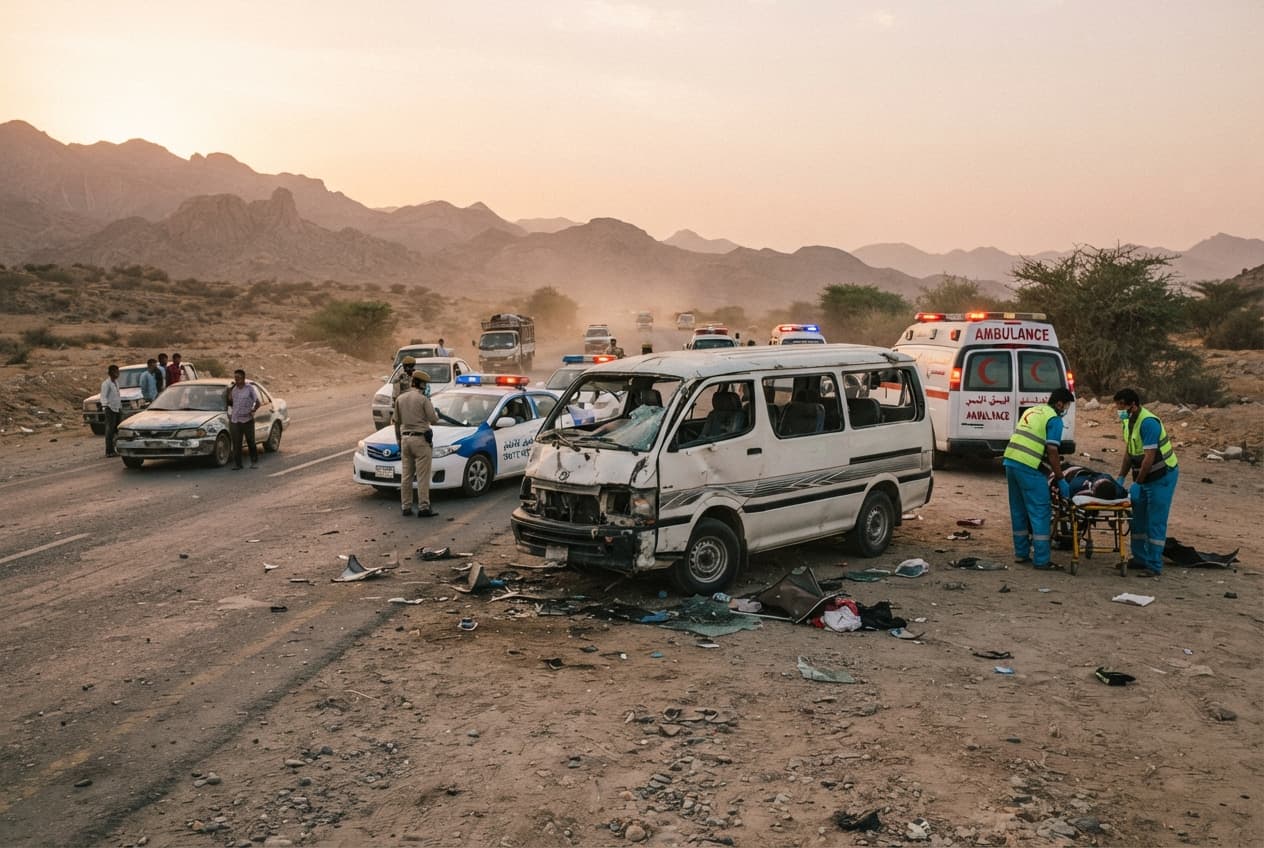
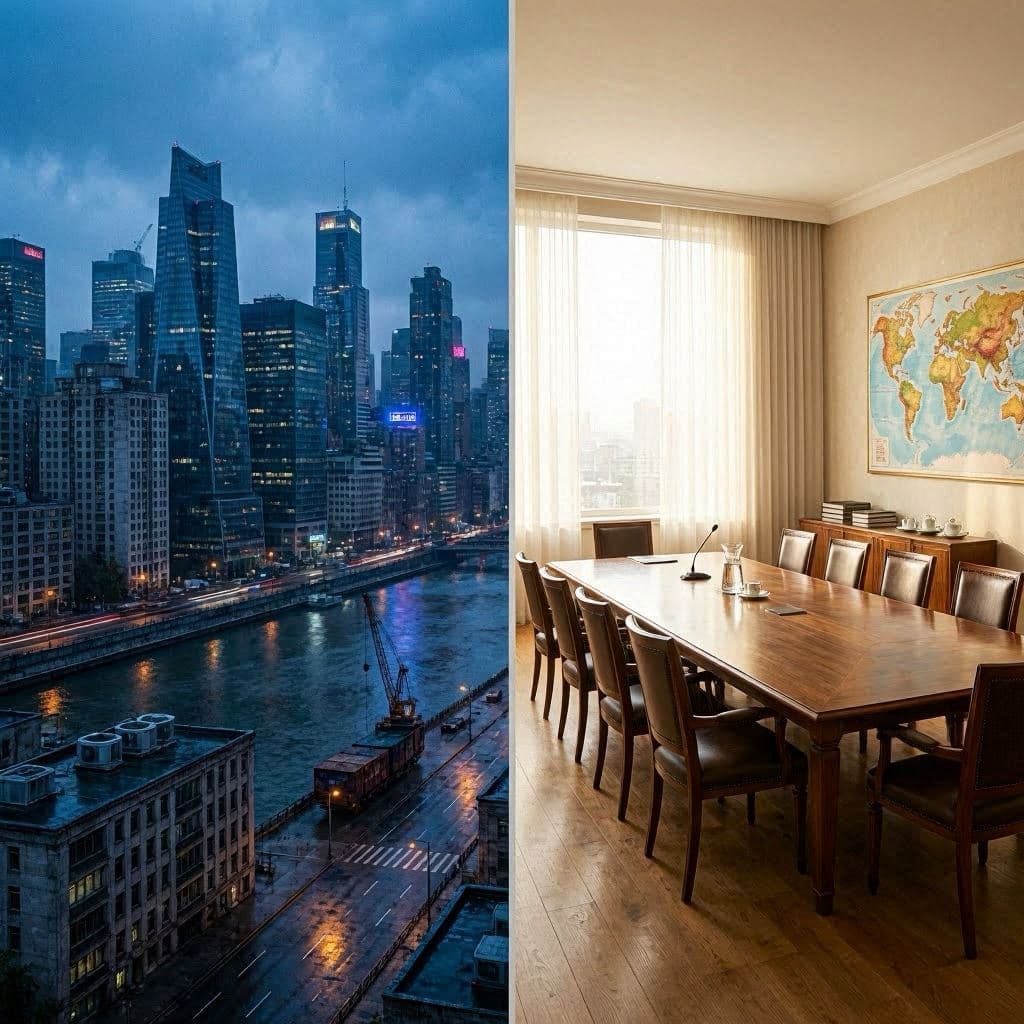
AI Image Disclaimer: Please note that any accompanying visuals for this narrative are artificially generated interpretations meant to evoke the spirit of the story, not documentary evidence.
Sources: The Moscow Times Al Jazeera Kyiv Independent
Published by Banx Network. This article is part of the Banx decentralized media programme, powered by the BXE token on the XRP Ledger.