For generations, scientists have imagined galaxies as grand cosmic cities, with stars, gas, and dust gathering over billions of years around powerful gravitational centers. Yet new observations from the James Webb Space Telescope suggest that the story of how some galaxies formed may be more surprising than previously thought.
Body:
Astronomers using the James Webb Space Telescope have identified evidence suggesting that a massive black hole may have formed before the galaxy surrounding it fully developed. The finding challenges traditional assumptions about cosmic evolution.
For many years, prevailing theories proposed that galaxies formed first, gradually creating conditions that allowed central black holes to grow. The new observations suggest that in some cases, the sequence may have been reversed or at least more closely intertwined.
The James Webb Space Telescope has dramatically expanded humanity's ability to observe the early universe. Its advanced instruments allow researchers to detect faint and distant objects that existed only a few hundred million years after the Big Bang.
Scientists studying the newly observed system found indications that the black hole appeared unusually large relative to its host galaxy. This imbalance raises important questions about how matter accumulated during the universe's formative years.
Researchers are now examining whether the discovery represents a rare exception or part of a broader pattern. Additional observations will be necessary to determine how common such systems might be.
The findings could influence future models of galaxy formation. If black holes sometimes emerge before substantial galactic structures, scientists may need to reconsider certain aspects of cosmic growth and evolution.
The discovery also highlights the transformative impact of modern astronomical instruments. Observations that would have been impossible a decade ago are now generating entirely new scientific discussions.
Astronomy frequently advances through moments when observations challenge expectations. Such moments often lead to deeper understanding and, occasionally, entirely new frameworks for interpreting the universe.
Closing:
As researchers continue studying the early cosmos, the Webb telescope is providing an unprecedented view of ancient structures. The latest discovery offers another reminder that the universe still holds many surprises waiting to be explored.
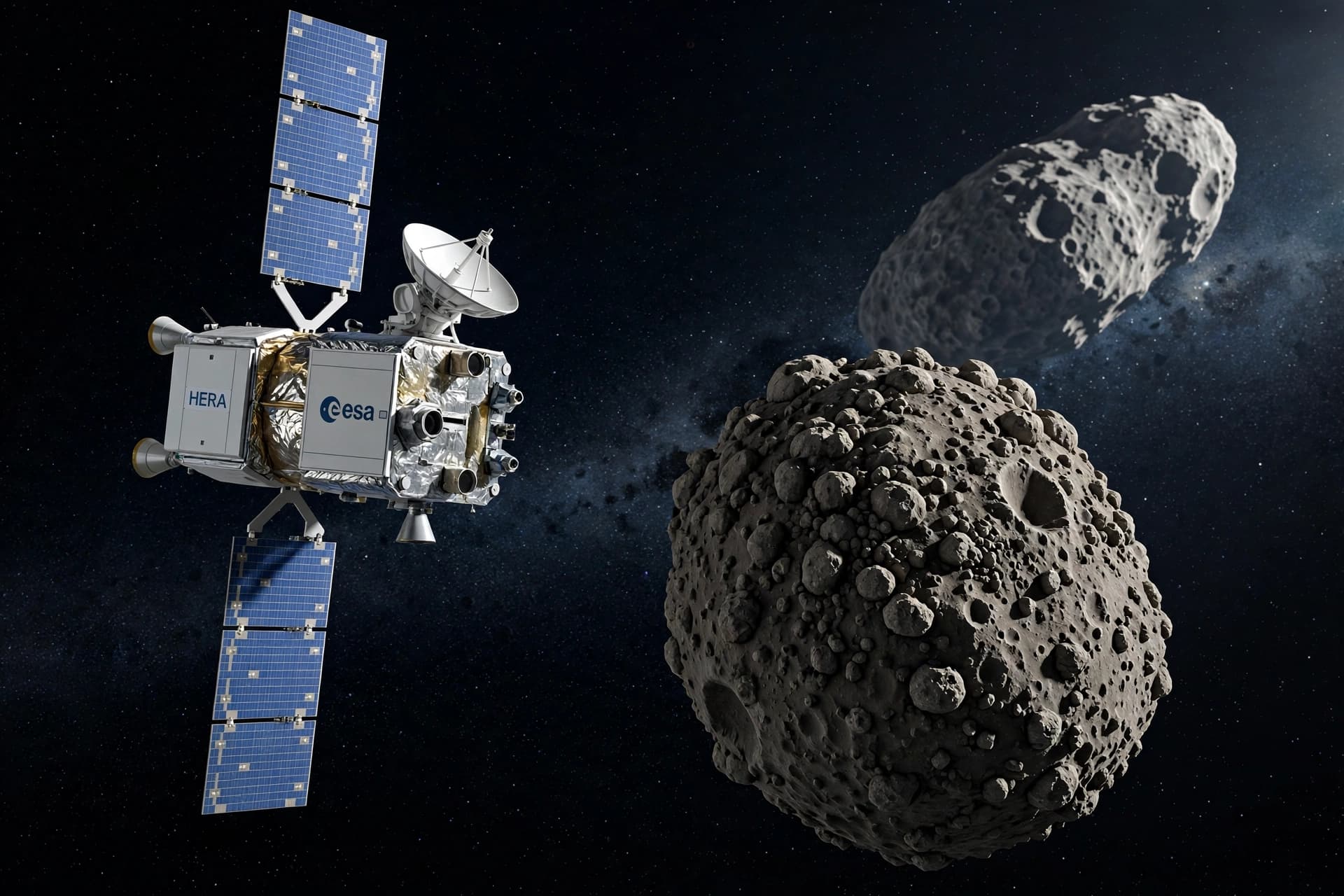
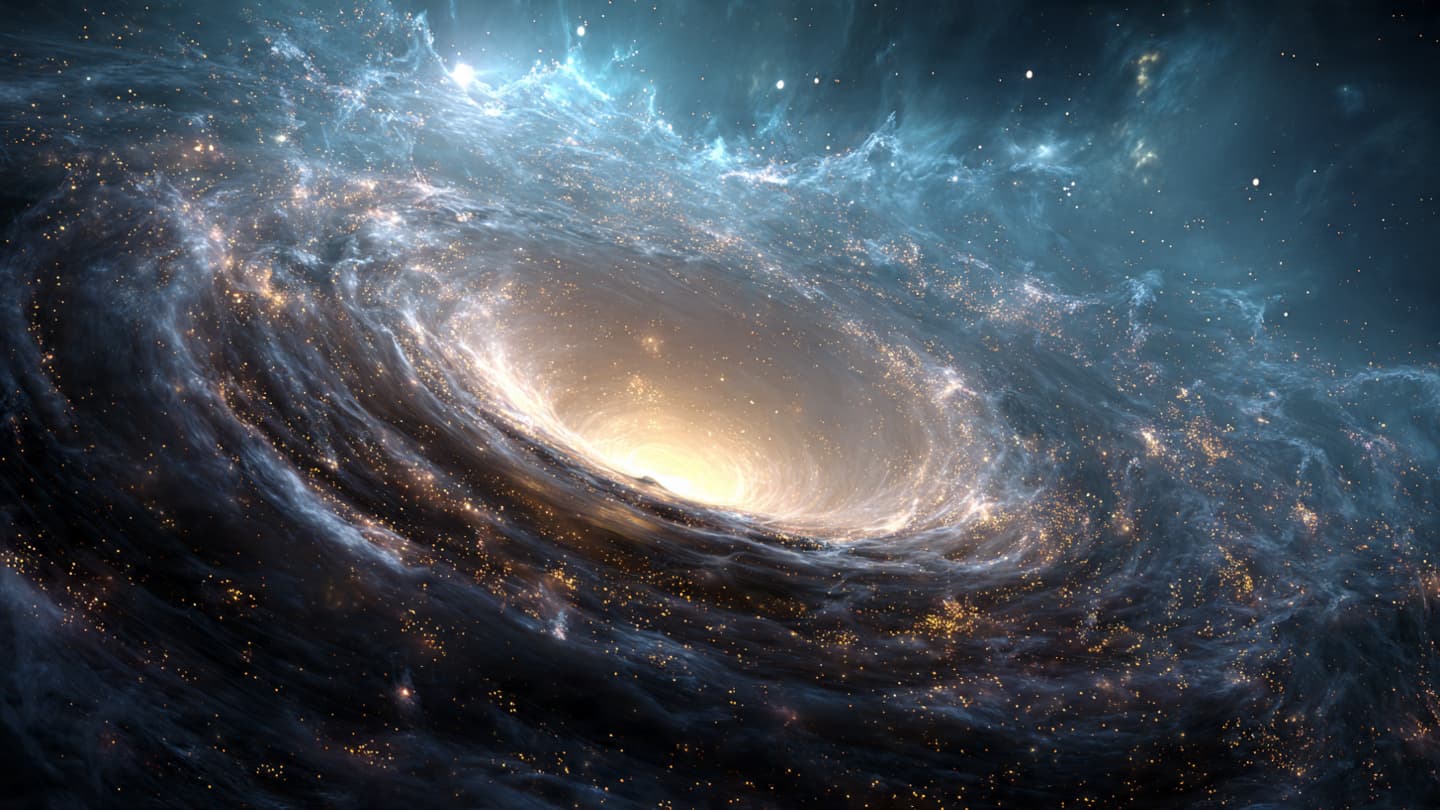
AI Image Disclaimer: The illustrations used in this article are AI-generated visual representations inspired by scientific concepts and do not reflect actual telescope imagery.
Sources (Verified): NASA, European Space Agency (ESA), Nature Astronomy, Space.com
Published by Banx Network. This article is part of the Banx decentralized media programme, powered by the BXE token on the XRP Ledger.