
Economic fortunes often move like rivers that change course after an unexpected storm. A decision made to protect one industry can sometimes create opportunities elsewhere, reshaping livelihoods on both sides of a border. Along the frontier between the United States and Mexico, such a shift is unfolding within the cattle and beef industries as officials continue efforts to contain the spread of the New World screwworm parasite.
The United States suspended imports of Mexican cattle in an effort to prevent the flesh-eating pest from entering the country. The policy was intended to safeguard livestock, but it has also altered long-established supply chains that connected ranchers, feedlots, processors, and exporters across North America.
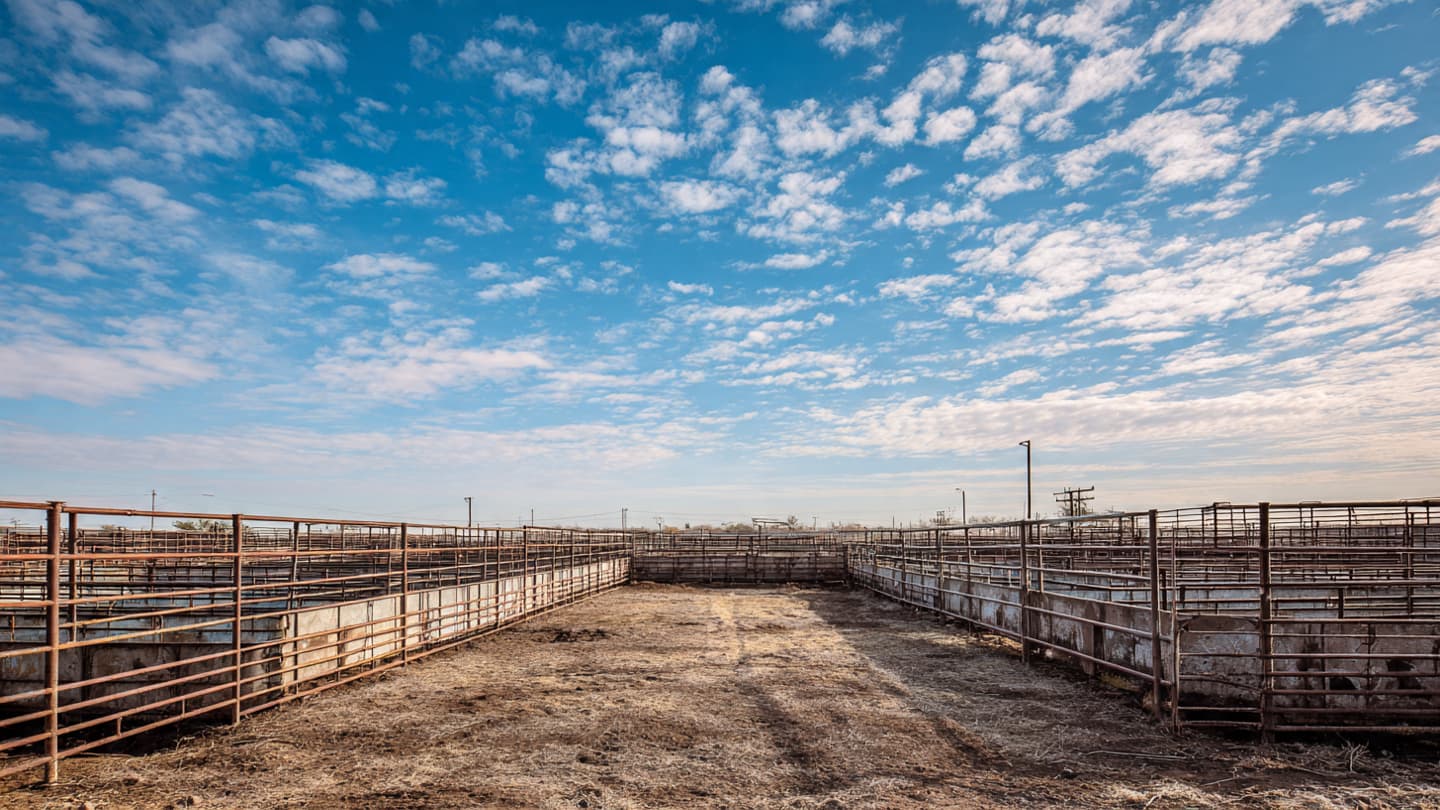
In Texas, where cattle production plays a central role in the rural economy, the consequences have been significant. Feedlots that once relied heavily on imported Mexican cattle have reported shrinking inventories and rising financial pressure. Some operators say facilities that historically housed tens of thousands of animals now sit partially empty as supplies become more difficult to obtain.
The challenges arrive at a difficult moment for the U.S. beef sector. Domestic cattle numbers have fallen to their lowest levels in decades, while drought conditions, rising costs, and supply constraints have contributed to record-high beef prices. Meat processors have also faced pressure as reduced cattle availability affects production efficiency.
Meanwhile, the situation has created unexpected opportunities in Mexico. Ranchers who previously exported live cattle are increasingly retaining animals for fattening, slaughter, and processing within the country. Rather than sending livestock north, producers are moving further along the value chain and exporting finished beef products.
Industry data indicate that Mexican beef exports to the United States rose sharply during the first months of 2026. Expanded processing facilities and investment in domestic infrastructure have helped support that growth, allowing producers to capture a greater share of the economic value associated with beef production.
At the same time, concerns about screwworm remain serious. Texas recently confirmed new cases of the parasite, reinforcing fears that an outbreak could threaten livestock across the region. Federal and state authorities continue monitoring herds, deploying control measures, and investing in prevention programs.
The debate now centers on how to balance biosecurity with economic stability. Industry leaders have proposed enhanced inspection and treatment protocols that could eventually allow cattle movement while reducing disease risks. Policymakers, however, remain focused on containment efforts.
For now, the border closure illustrates how agricultural policies can produce very different outcomes across neighboring economies. While parts of Mexico's beef industry expand, many Texas producers continue navigating a period of uncertainty shaped by both biological and economic challenges.
AI Image Disclaimer: The images accompanying this article are AI-generated visual interpretations created for editorial illustration purposes.
Note: This article was published on BanxChange.com and is powered by the BXE Token on the XRP Ledger. For the latest articles and news, please visit BanxChange.com