
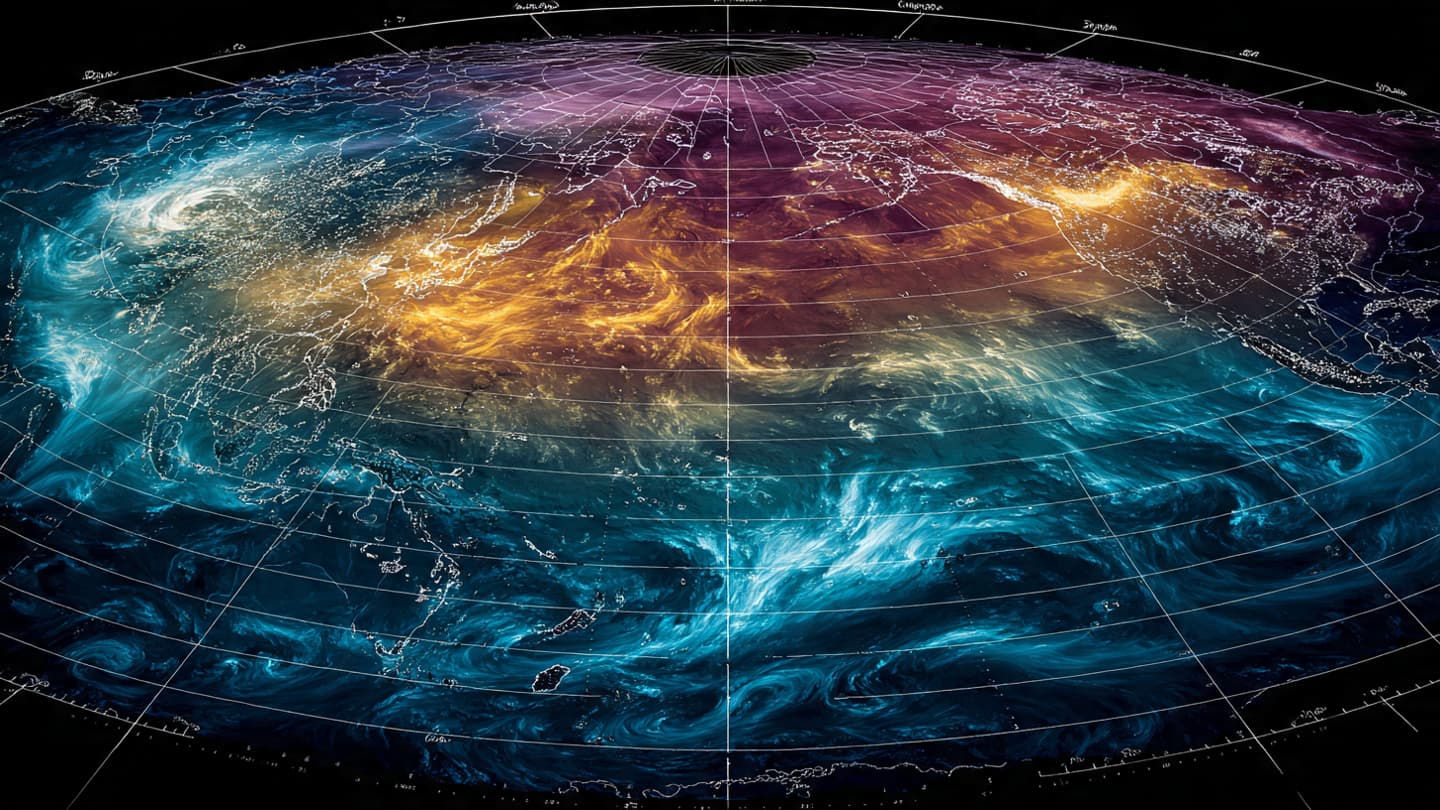
Weather systems often move like invisible currents across the planet, shaping patterns of rain, wind, and storm formation in ways that are both cyclical and deeply interconnected. Among these patterns, El Niño stands as one of the most closely studied influences on global climate behavior.
The climate phenomenon known as El Niño is associated with changes in sea surface temperatures across the Pacific Ocean, which in turn can influence atmospheric circulation around the world. These shifts may affect the formation and strength of tropical storms in multiple ocean basins.
During El Niño conditions, warmer waters in the central and eastern Pacific can alter wind patterns that typically guide hurricane and typhoon development. This may lead to changes in where storms form, how they track, and how intense they become.
In the Atlantic, El Niño conditions are often associated with increased wind shear, which can reduce the likelihood of hurricane formation or limit storm intensification. However, outcomes can vary depending on the strength and timing of the climate pattern.
In contrast, parts of the Pacific may experience enhanced tropical cyclone activity, as warmer ocean temperatures provide additional energy for storm development. These regional differences highlight the uneven global impact of a single climate driver.
Meteorologists emphasize that El Niño does not act alone; it interacts with other climate systems such as the Indian Ocean Dipole and long-term warming trends, which can modify expected outcomes in any given year.
Because of these overlapping influences, seasonal forecasts are regularly updated as new oceanic and atmospheric data become available. Scientists rely on satellite observations, ocean buoys, and climate models to refine projections.
As the year progresses, researchers will continue to monitor how evolving El Niño conditions may influence storm behavior, aiming to improve preparedness and risk assessment across vulnerable regions.
AI Image Disclaimer: Some visuals may be AI-generated illustrations depicting ocean-atmosphere climate systems and storm formation patterns.
Sources (Verification Check): NOAA, Associated Press, Reuters, World Meteorological Organization reports
Note: This article was published on BanxChange.com and is powered by the BXE Token on the XRP Ledger. For the latest articles and news, please visit BanxChange.com