A river rarely follows a perfectly straight path. Instead, it twists, swirls, and creates countless small eddies that appear chaotic to the eye. Scientists have long used similar patterns to understand turbulence, one of the most complex and challenging phenomena in physics. New research is now offering a surprising insight into how energy moves within these turbulent systems.
Researchers have reported evidence that the direction of energy transfer within turbulent flows can, under specific conditions, be reversed. The finding challenges assumptions that have influenced the study of fluid dynamics for decades.
Turbulence is present in countless natural and engineered systems. It can be observed in atmospheric weather patterns, ocean currents, aircraft flight, industrial machinery, and even astrophysical environments. Despite its familiarity, turbulence remains one of physics' most difficult problems.
For many years, scientists generally understood energy in turbulent systems as moving in a predictable direction across different scales. The new study suggests that this process may be more flexible than previously believed.
Using advanced mathematical models and computational simulations, researchers identified mechanisms capable of redirecting energy flow under particular circumstances. The results provide a deeper understanding of how complex fluid systems behave.
The implications extend beyond theoretical physics. Improved knowledge of turbulence could influence engineering design, weather forecasting, climate modeling, and energy efficiency technologies.
Scientists emphasize that the discovery does not overturn the entire framework of turbulence research. Instead, it refines existing understanding by revealing additional possibilities within systems previously considered well understood.
The study also highlights the value of modern computational tools. Powerful simulations now allow researchers to investigate physical processes with levels of detail that were impossible only a generation ago.
As with many scientific advances, the discovery opens new questions alongside new answers. Researchers are already exploring how the findings may apply to different environments and scales.
The ability to reverse energy flow in turbulent systems represents a significant development in fluid dynamics. By uncovering previously hidden behavior, scientists are expanding our understanding of one of nature's most intricate processes.
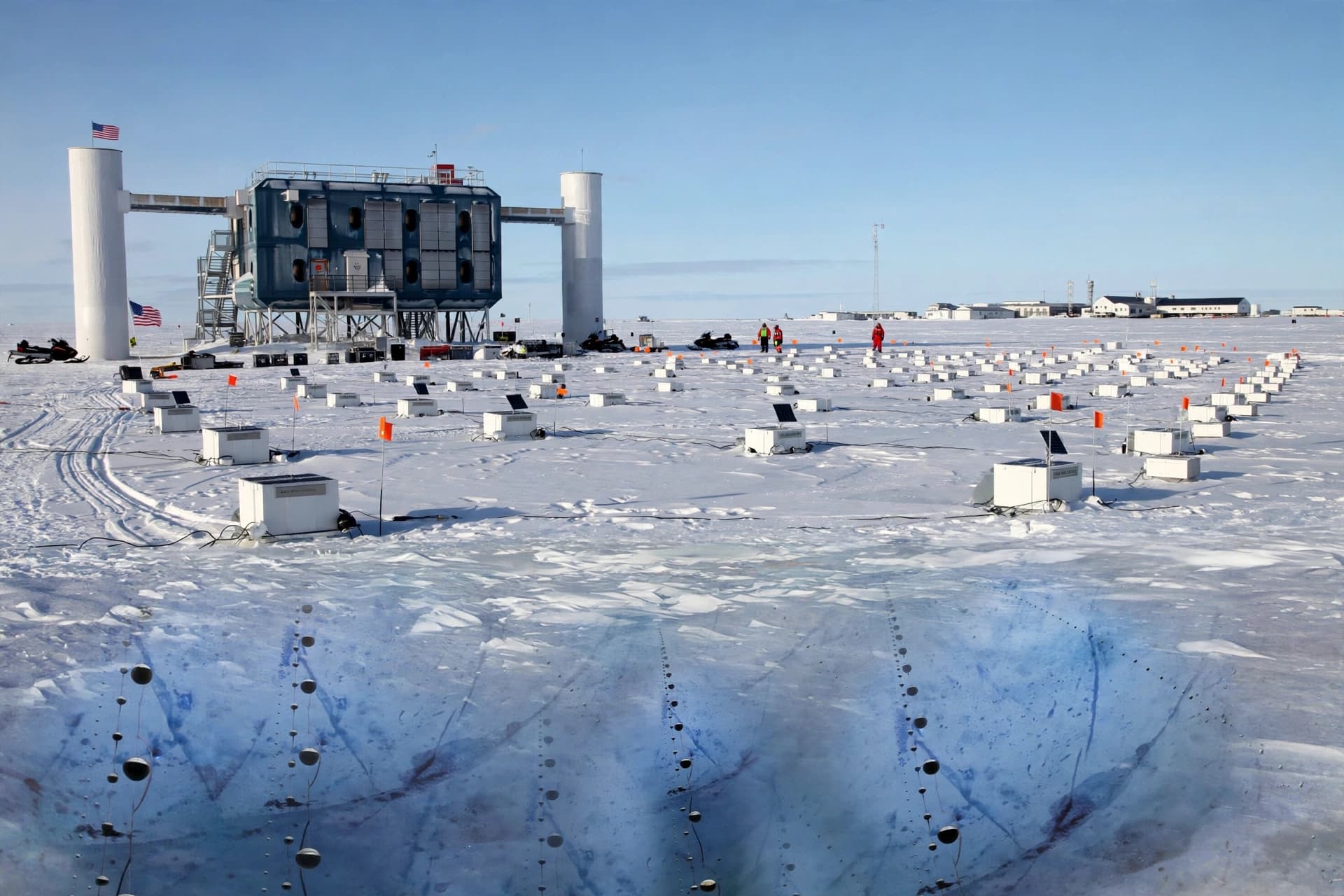
AI Image Disclaimer: The images accompanying this article are AI-generated visualizations intended to illustrate scientific concepts and do not represent actual experimental imagery.
Sources (Verified): ScienceDaily, Physical Review Letters, Nature Physics, American Physical Society
Published by Banx Network. This article is part of the Banx decentralized media programme, powered by the BXE token on the XRP Ledger.