
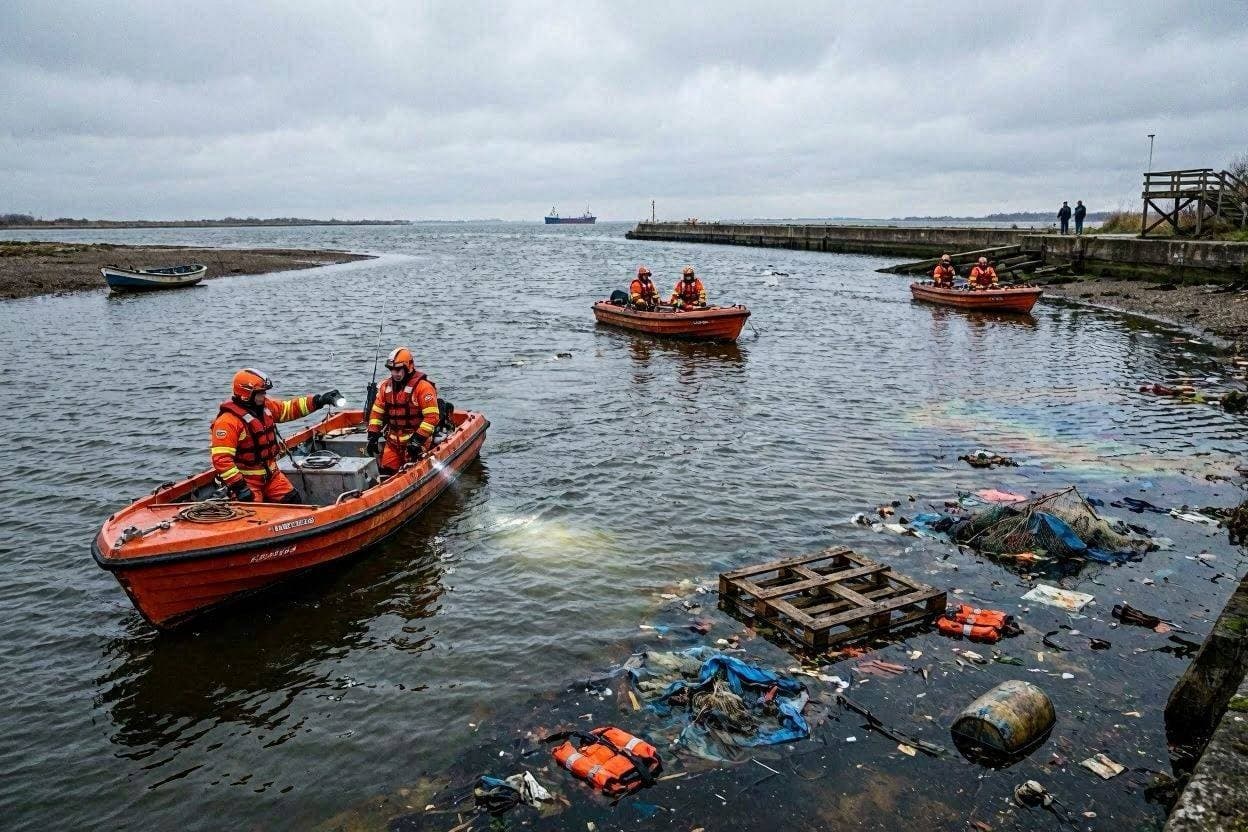
The rivers and coastal waters of Guyana are lifelines for many communities, connecting remote villages to urban centers. Yet, these same waters can become sites of profound tragedy when safety protocols fail. The recent sinking of a passenger ferry carrying over 100 people off the coast of Guyana has resulted in a heartbreaking loss of life, with recovery efforts underway. This incident serves as a somber reminder of the vulnerabilities inherent in maritime transport in developing regions and the urgent need for rigorous safety standards.
Body: The ferry, overloaded with passengers, capsized in rough waters, leading to a chaotic scene as people struggled to stay afloat. Local fishermen and nearby boats rushed to the site, pulling survivors from the water in a desperate race against time. Despite these heroic efforts, the number of casualties remains significant, with bodies being recovered from the riverbed and surrounding areas. The exact death toll is still being confirmed, but the scale of the disaster is evident.
Investigations are focusing on several factors, including overloading, mechanical failure, and weather conditions. Overcrowding is a persistent issue in regional ferry services, where demand often exceeds capacity and enforcement of regulations is lax. The pressure to maximize profits can lead operators to ignore safety limits, putting lives at risk. This tragedy highlights the consequences of such negligence, urging authorities to take stricter action against violations.
The victims include men, women, and children, many of whom were traveling for work or family visits. Their deaths leave behind grieving families and communities shattered by the sudden loss. In small towns, where everyone knows each other, the impact is felt deeply, creating a collective mourning that transcends individual grief. Support networks are mobilizing to provide assistance to the bereaved, offering both emotional and financial aid.
Government officials have expressed condolences and promised a thorough inquiry into the incident. They have also announced temporary suspensions of ferry operations for safety inspections. While these measures are necessary, critics argue that systemic reforms are needed to prevent future disasters. This includes investing in better vessels, training crew members, and establishing robust monitoring systems.
International organizations have offered support, providing expertise in search and recovery operations. The collaboration between local authorities and global partners underscores the shared responsibility in ensuring maritime safety. However, sustainable solutions require local commitment and resources, which are often scarce. The tragedy thus exposes broader issues of infrastructure and governance.
For the survivors, the trauma of the event will linger long after the physical wounds heal. Many report feelings of guilt and anxiety, common among those who survive catastrophic events. Psychological support is crucial to help them process their experiences and rebuild their lives. The community’s response to their needs will be a test of its resilience and compassion.
Closing: The sinking of the ferry off Guyana is a tragic event that demands more than just mourning; it requires action. As bodies are recovered and families grieve, the focus must shift to preventing such disasters in the future. Safety must be prioritized over convenience, ensuring that no one else loses their life to negligence.
AI Image Disclaimer: Visuals in this piece are artificially generated and should be viewed as artistic interpretations rather than factual documentation.
Sources: Al Jazeera Reuters BBC News Local Guyanese Media
Note: This article was published on BanxChange.com and is powered by the BXE Token on the XRP Ledger. For the latest articles and news, please visit BanxChange.com