
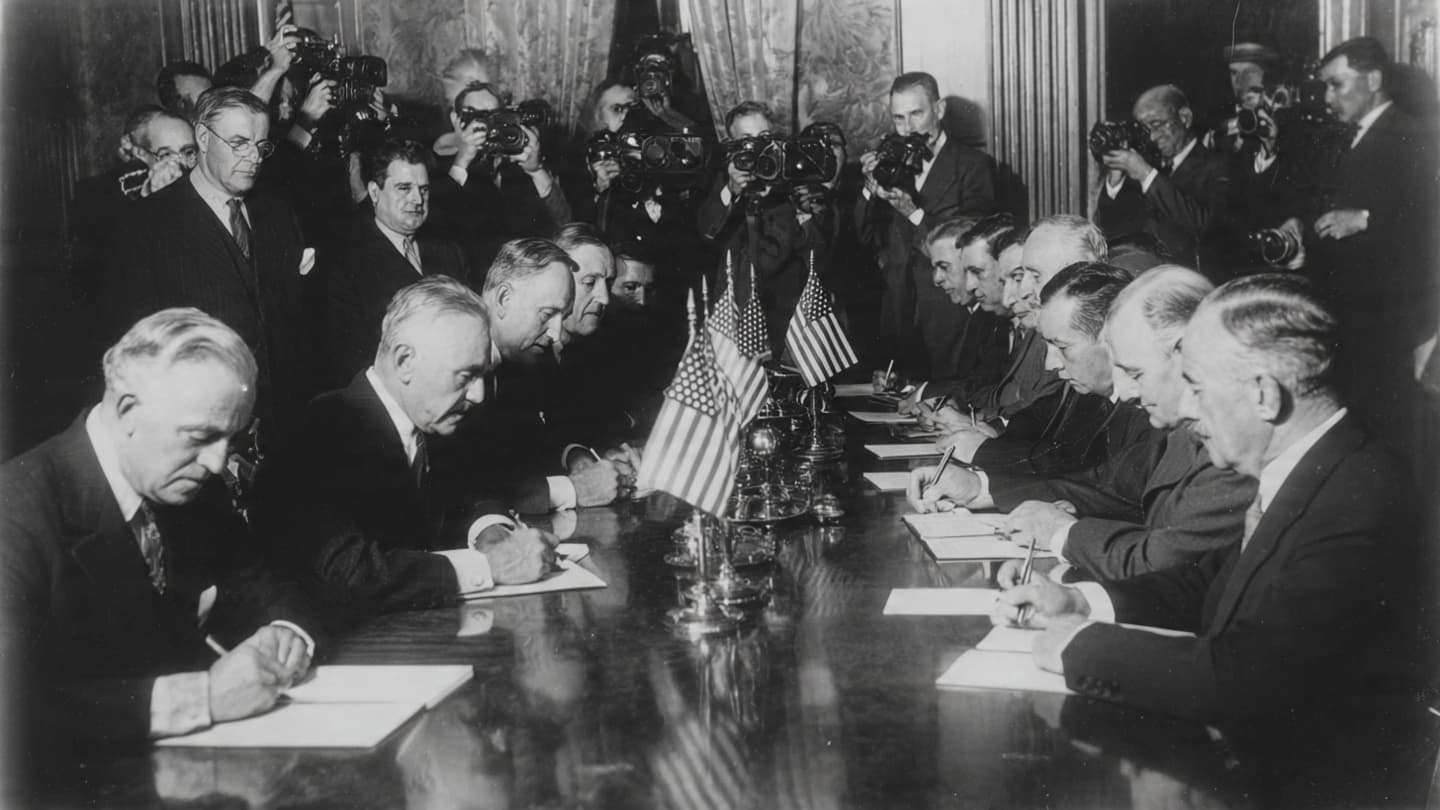
In international affairs, some moments arrive like a sudden storm, while others emerge more quietly, resembling the first light that spreads across a calm sea before sunrise. The signing of a new memorandum of understanding between the United States and Iran belongs to the latter category. After years marked by tension, distrust, and recurring crises, both countries have taken a step that many observers view as a significant diplomatic development.
The agreement centers on efforts to end recent hostilities and establish a framework for longer-term stability in the region. While challenges remain, the memorandum signals a willingness from both sides to pursue dialogue instead of confrontation. In a region where political currents often shift quickly, even a modest commitment to communication can carry considerable significance.
One of the most closely watched aspects of the agreement involves security arrangements and commitments related to Iran’s nuclear activities. According to the announced framework, nuclear materials and enrichment activities will be subject to international oversight and verification procedures. These measures are intended to increase transparency and reduce concerns among regional and global stakeholders.
The agreement also addresses maritime security, particularly around the Strait of Hormuz, one of the world's most important shipping corridors. For decades, this narrow waterway has served as a critical artery for global energy supplies. Any disruption there often sends ripples through international markets and political discussions alike.
Energy markets reacted with cautious attention to the announcement. Analysts noted that greater stability in the Gulf region could help reduce uncertainty surrounding oil transportation and supply chains. However, many experts also emphasized that implementation remains just as important as the promises outlined on paper.
Diplomatic observers have described the memorandum as an opening chapter rather than a final destination. Previous agreements between rival states have shown that progress often depends on sustained engagement, verification mechanisms, and political commitment over time. The path forward may therefore require patience from all parties involved.
Regional governments have also begun assessing the potential implications. Some view the agreement as an opportunity to lower tensions and encourage economic activity, while others are closely monitoring how specific provisions will be carried out. The broader impact may become clearer only as implementation moves forward.
Beyond the technical details, the agreement carries symbolic weight. It reflects an acknowledgment that even deeply rooted disagreements can be addressed through negotiation. While differences remain, the decision to formalize dialogue suggests that diplomacy continues to hold relevance in an era often defined by geopolitical competition.
For now, international attention remains focused on the next phase. The memorandum marks an important milestone, but its long-term success will depend on compliance, verification, and continued diplomatic engagement. The coming months will determine whether this agreement becomes a lasting framework for stability or simply another brief pause in a complex relationship.
AI Image Disclaimer: The accompanying images for this article are AI-generated illustrations intended to visually represent the topic and should not be interpreted as documentary photographs.
Sources (Verified): Reuters, The Guardian, Associated Press
Note: This article was published on BanxChange.com and is powered by the BXE Token on the XRP Ledger. For the latest articles and news, please visit BanxChange.com