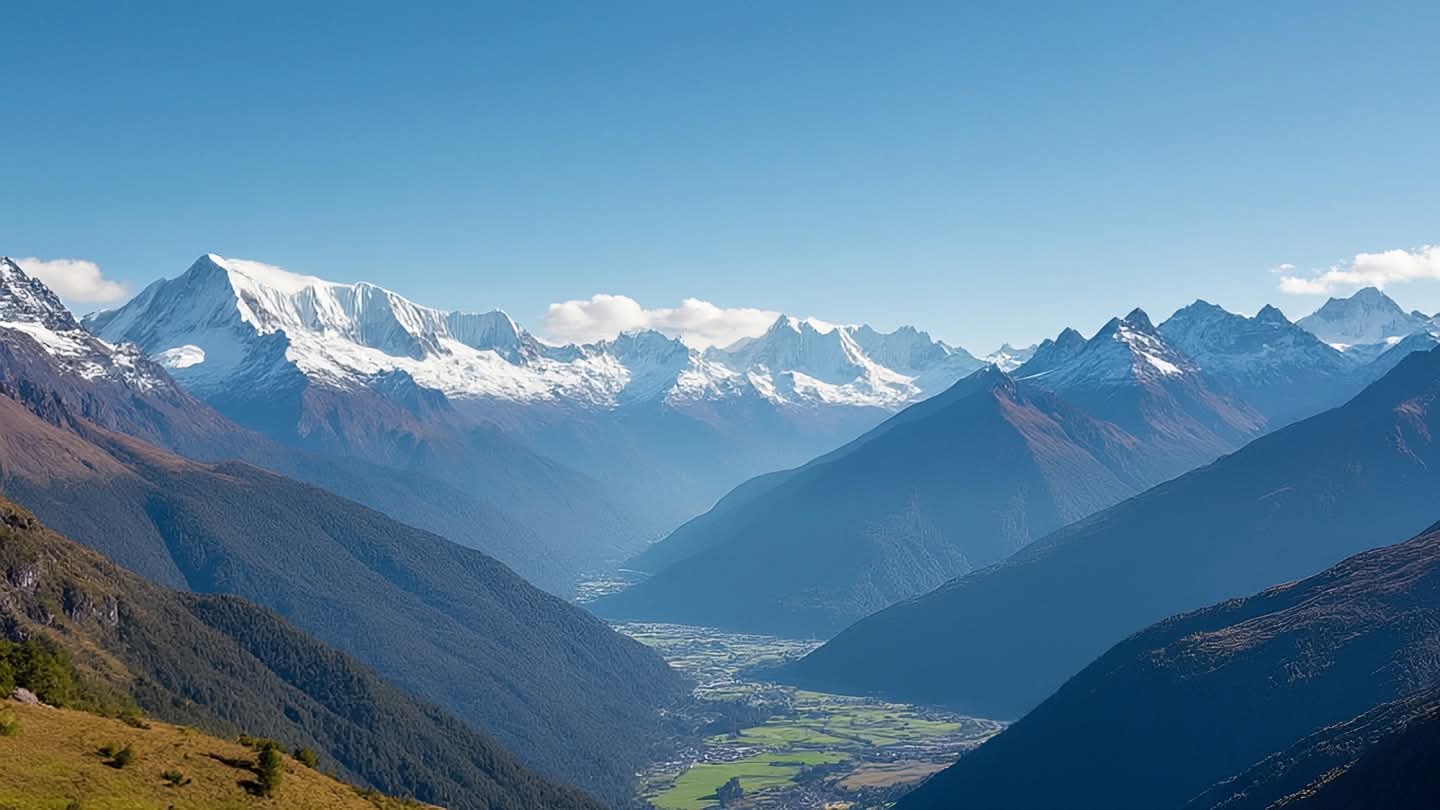
In the rugged embrace of the southern Andes, where mountains pierce the sky and communities cling to steep slopes, the earth recently reminded its inhabitants of its restless nature. A magnitude 6.7 earthquake shook the region, sending tremors through towns and villages that have long adapted to life in a seismically active zone. While the shaking was intense, the outcome was relatively contained, with only two injuries reported, a testament to both resilience and preparedness in the face of natural forces.
The quake struck on a Thursday, its epicenter located deep within the mountainous terrain of the Ayacucho and Apurímac regions. The U.S. Geological Survey recorded the event as a significant release of energy, capable of causing widespread alarm. In the town of Coracora, residents rushed out of their homes as buildings swayed and dust rose from the streets. The immediate reaction was one of fear, but also of practiced caution, as many remembered previous quakes and knew how to respond.
Two people were injured while evacuating their homes, sustaining minor wounds in the chaos of the moment. Their experience highlights the dangers that persist even when structural damage is limited. Falling debris, broken glass, and the panic of evacuation can pose risks as great as the shaking itself. Emergency services responded quickly, attending to the injured and assessing the stability of structures across the affected area.
Local authorities reported damage to several homes and health centers, particularly in older buildings constructed with traditional materials. While no major collapses were immediately confirmed, the cracks in walls and foundations serve as a warning of vulnerability. Engineers and inspectors have been deployed to evaluate the safety of these structures, ensuring that residents do not return to unsafe environments. The process is meticulous, requiring time and expertise to guarantee public safety.
For the communities in the southern Andes, earthquakes are a recurring reality. The region sits along complex fault lines where tectonic plates interact, generating frequent seismic activity. Over centuries, residents have developed building techniques and community protocols to mitigate risk. However, each new quake tests these defenses, revealing areas where improvement is needed. The recent event has renewed calls for stricter building codes and better disaster preparedness education.
The psychological impact of such events should not be underestimated. Even without catastrophic loss, the sudden disruption of daily life leaves a mark. Children may feel anxious, and elders may recall past traumas. Community leaders play a vital role in providing reassurance, organizing support networks, and sharing accurate information. Solidarity becomes a shield against fear, binding neighbors together in the aftermath.
National and international agencies monitored the situation closely, offering assistance if needed. The Peruvian government activated its emergency response protocols, coordinating with local municipalities to distribute supplies and medical aid. This collaborative effort ensures that resources reach those most affected, minimizing the long-term impact of the disaster. It is a demonstration of institutional capacity in times of crisis.
As the aftershocks fade and life returns to its rhythm, the focus shifts to recovery and reflection. The two injured individuals are receiving care, and repairs to damaged structures are underway. For the people of the southern Andes, the earthquake is another chapter in their ongoing relationship with the land. It is a reminder of nature’s power, but also of human endurance and the strength of community.
AI Image Disclaimer: The visual elements in this article are AI-generated illustrations depicting mountainous landscapes and abstract representations of seismic activity, designed to reflect the themes of resilience and natural forces without showing real damage or specific individuals.
Sources: AP News, PBS NewsHour, CBS 8, ABC7
Note: This article was published on BanxChange.com and is powered by the BXE Token on the XRP Ledger. For the latest articles and news, please visit BanxChange.com