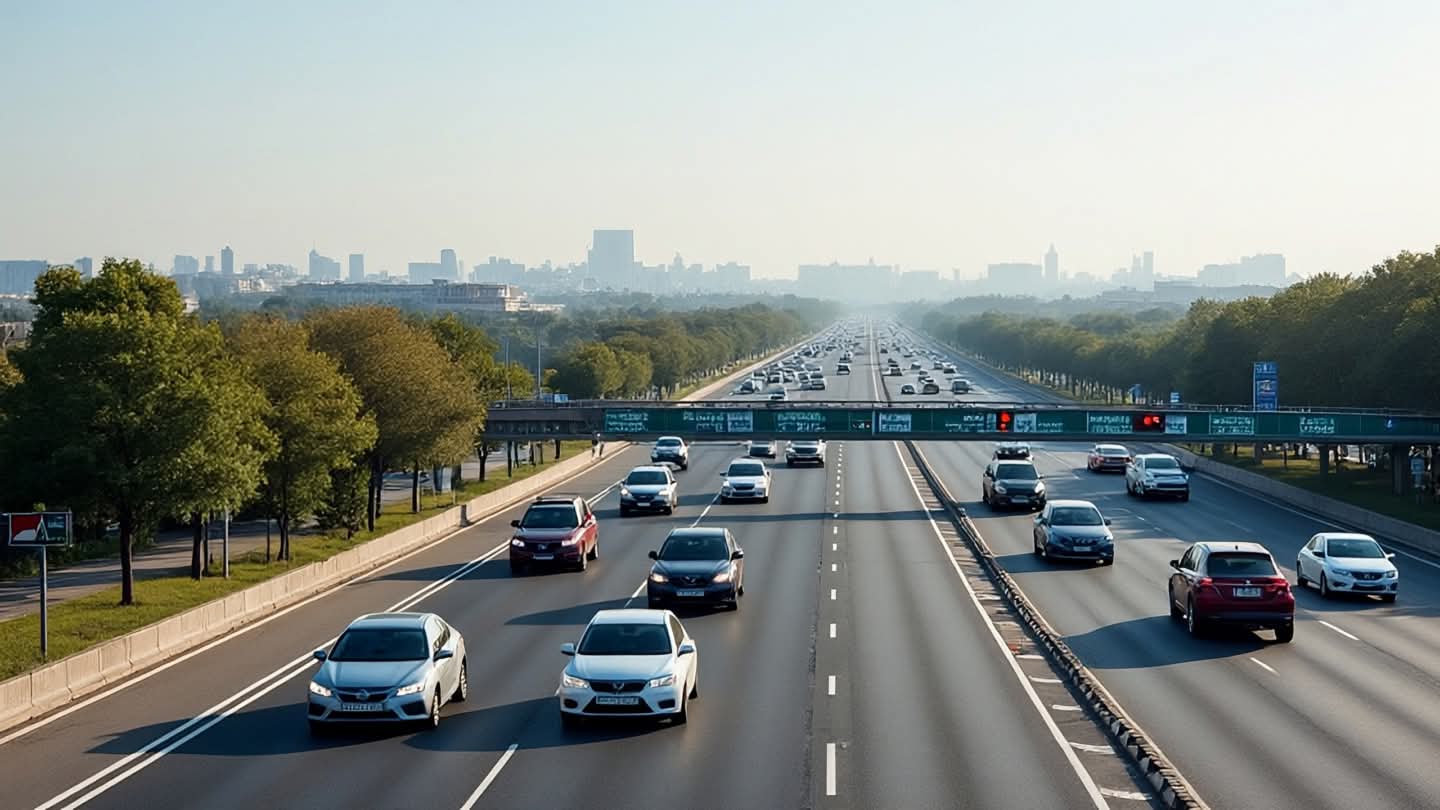
Highway 401, the arterial spine of southern Ontario, is a corridor of constant motion, connecting cities and communities in a relentless flow of traffic. Recently, this rhythm was disrupted in Southwold when a four-vehicle collision forced the closure of eastbound lanes, causing significant delays and highlighting the inherent risks of high-speed travel. The incident, while resulting in no reported fatalities, served as a sobering reminder of the importance of vigilance on the road.
The crash occurred during peak travel hours, involving multiple cars that collided under circumstances still under investigation. Emergency responders arrived quickly, working to secure the scene and assist those involved. The closure of the eastbound lanes created a ripple effect of congestion, affecting thousands of commuters and commercial drivers. For those stuck in the gridlock, the delay was an inconvenience; for first responders, it was a critical operation to ensure safety and clear the debris.
Police have stated that speed and weather conditions may have played a role, though definitive causes are pending further analysis. Such multi-vehicle accidents often result from a chain reaction, where one initial impact leads to subsequent collisions. The complexity of these incidents requires careful management to prevent secondary accidents and ensure the safe extraction of any injured parties. In this case, prompt action by emergency teams minimized further harm.
For the drivers involved, the experience was likely traumatic. Even without life-threatening injuries, the shock of a sudden crash can leave lasting psychological effects. Insurance claims, vehicle repairs, and potential legal issues add layers of stress to an already difficult situation. The incident underscores the vulnerability we all share when traveling at high speeds, dependent on the attention and skill of those around us.
The closure of Highway 401, even temporarily, has significant economic implications. As a major trade route, any disruption affects supply chains and logistics. Businesses relying on timely deliveries face delays, and commuters lose valuable time. This highlights the critical infrastructure role of the highway and the need for robust contingency plans to manage such disruptions efficiently.
Local authorities used social media and traffic alerts to inform the public, encouraging drivers to seek alternative routes. Effective communication is key in managing traffic incidents, reducing frustration and preventing further congestion. The cooperation between police, emergency services, and transportation agencies demonstrated a coordinated response to a complex situation.
As the lanes reopened and traffic began to flow again, the focus shifted to prevention. Safety campaigns often gain traction after high-profile incidents, reminding drivers to maintain safe distances, avoid distractions, and adjust speed to conditions. These messages, though familiar, are vital in reducing the frequency and severity of collisions on busy highways.
In the end, the crash in Southwold is a statistic in a larger narrative of road safety. But for those involved, it is a personal story of survival and recovery. The reopening of the highway marks a return to normalcy, but the lesson remains: on the road, caution is the best companion. For Ontario’s drivers, it is a call to remain alert, respecting the power of the machine and the unpredictability of the journey.
AI Image Disclaimer: Visuals in this article are AI-generated illustrations of highway landscapes and abstract representations of traffic flow, designed to visualize the theme of transportation safety without depicting real accidents or injured individuals.
Sources: OPP Media Release, CBC News London, Global News, CTV News London
Note: This article was published on BanxChange.com and is powered by the BXE Token on the XRP Ledger. For the latest articles and news, please visit BanxChange.com